I was waiting for my room key in a hotel lobby in Wakayama City when my eyes fell on an attractively designed magazine. The german word FRAU was emblazoned on the cover in large Latin letters. Confused, I looked again. Was I hallucinating German words after only a few days in Japan? But no, the front page still unmistakably proclaimed FRAU. I pulled out my mobile phone to take a photo and asked my friend Noriko Hasegawa why I had come across a magazine with a German title in Japan. Her answer was multi-layered and revealed both something about the role model of Japanese women and how the same word can have different connotations in different cultures.

The publisher explains that the Japanese magazine FRAU is aimed at women in their mid-20s to early 30s who value being authentic. It is often a challenge for Japanese women to remain true to themselves. The traditional role of housewife is hard to shake off, and career paths to top positions are difficult to climb, even though Sanae Takaichi was the first woman to be elected prime minister in October 2025. But back to FRAU magazine: it has been influencing Japanese women’s culture as a modern lifestyle magazine since the early 1990s. It encourages urban female readers to take control of their own lives, work and cosmopolitan consumption, moving away from traditional housewife roles. Each issue is dedicated to a specific topic – from fashion, beauty, travel and food to interior design and reports on the Sustainable Development Goals (SDGs).
Why the German word FRAU?
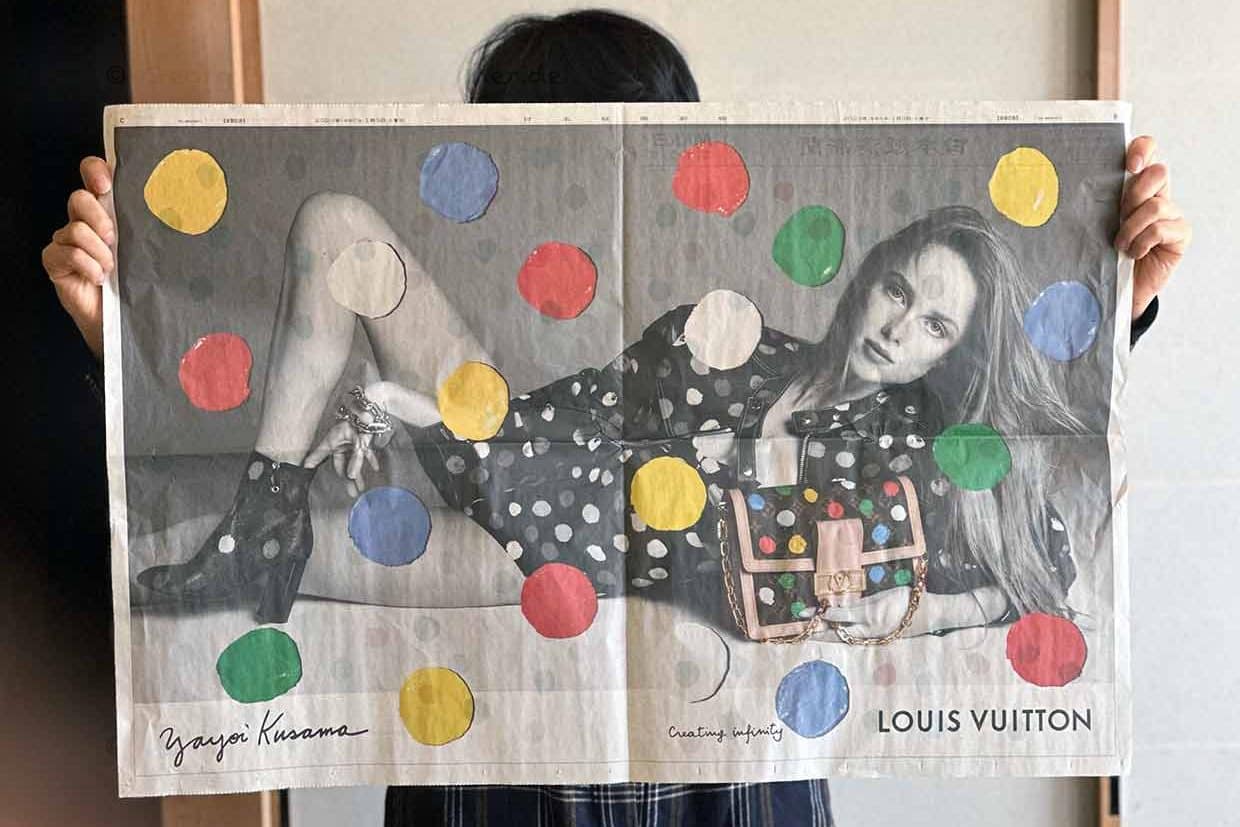
When the magazine was launched in the 1990s, it was en vogue in Japan to use German or French words in titles to convey an intellectual, modern and European impression. The German word Frau was chosen because it gave the makers a more intelligent and relaxed image of femininity than the French equivalent “Madame”. FRAU and other Japanese media have certainly succeeded in encouraging cosmopolitan consumption. The Japanese, including men, are crazy about European luxury brands – especially French ones.