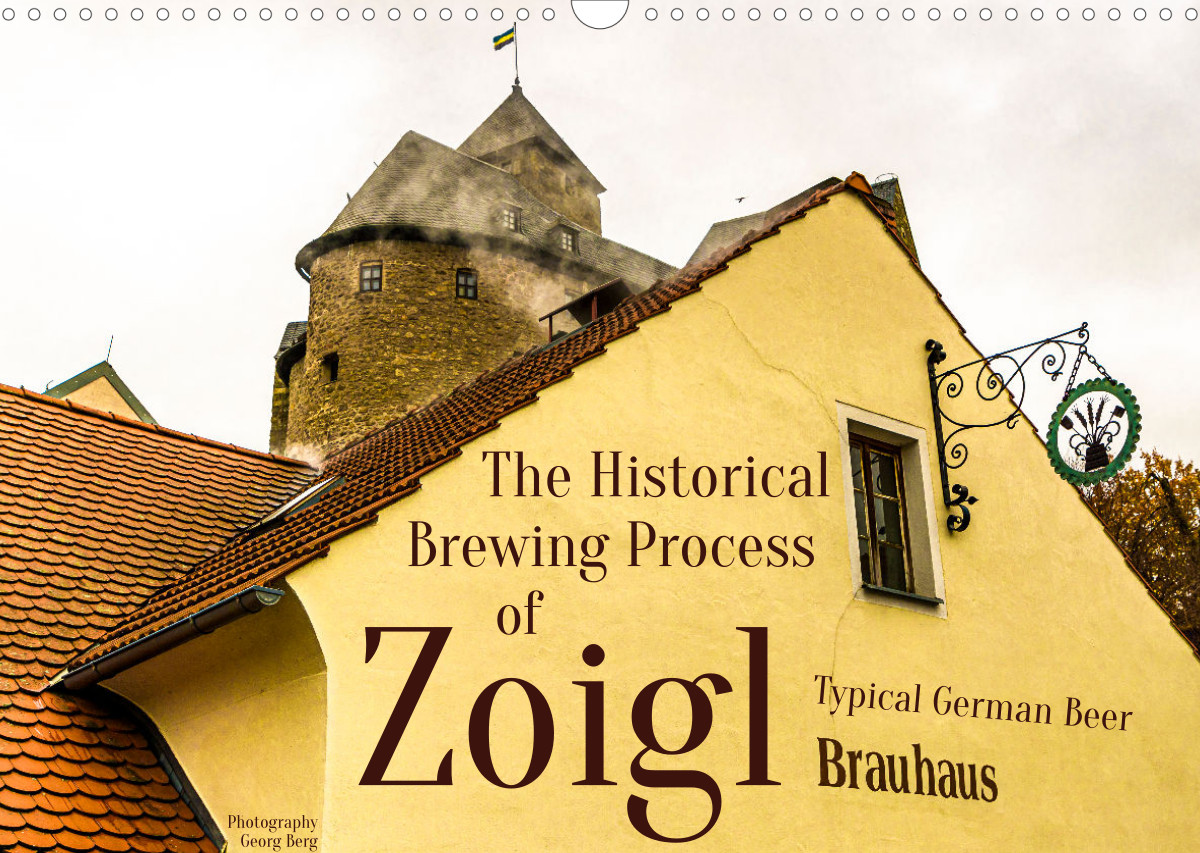

A fortified castle rises above Falkenberg. But the landmark in the Upper Palatinate village is not its only attraction. Several times a year, black smoke rises above the old brewery. The classic brewing process is not only a regional cultural asset, but is also officially one of the necessary activities of daily life in pandemic times and may take place under certain conditions.

Early in the morning, Josef Neuber fires up the two firing points in the brewhouse so that the brewing water has the right temperature for mashing in two hours later. Sepp, as he is called by everyone here, has a brewing education and has been appointed brewmaster by the municipality of Falkenberg for its communal brewhouse. For generations, the procedures on a typical brewing day have been determined by the Zoigl recipe and the special construction of the listed brewhouse.
Three home brewers, one brewmaster and the brew

Today, three home brewers have come together to make a brew and are therefore lending a hand to the brewmaster. They have already delivered the firewood and procured 450 kilograms of brewing malt, which has to be balanced sack by sack to the mash tun.

Originally, beer production was divided among three professions, of which the familiar surnames have survived to this day: Maltsters were responsible for producing the malt with its water-soluble components from the grain (mainly barley). Today, there are only a few breweries that still process home-made malt. Brewers produce the wort, which contains all the components of the beer except for the alcohol and is crucial for its flavor character. Yeast cultivated by the hefner is then added for alcoholic fermentation.
Rumpel mechanics and digital thermometer
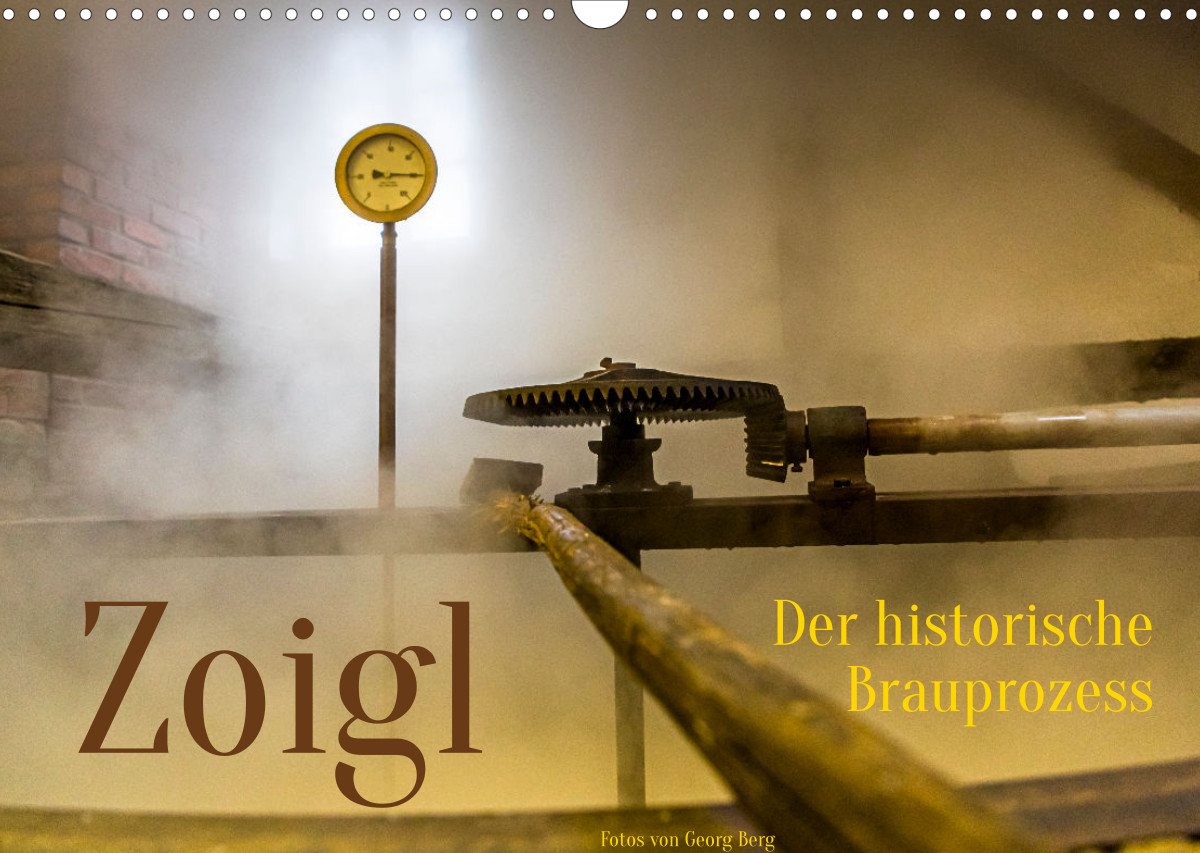
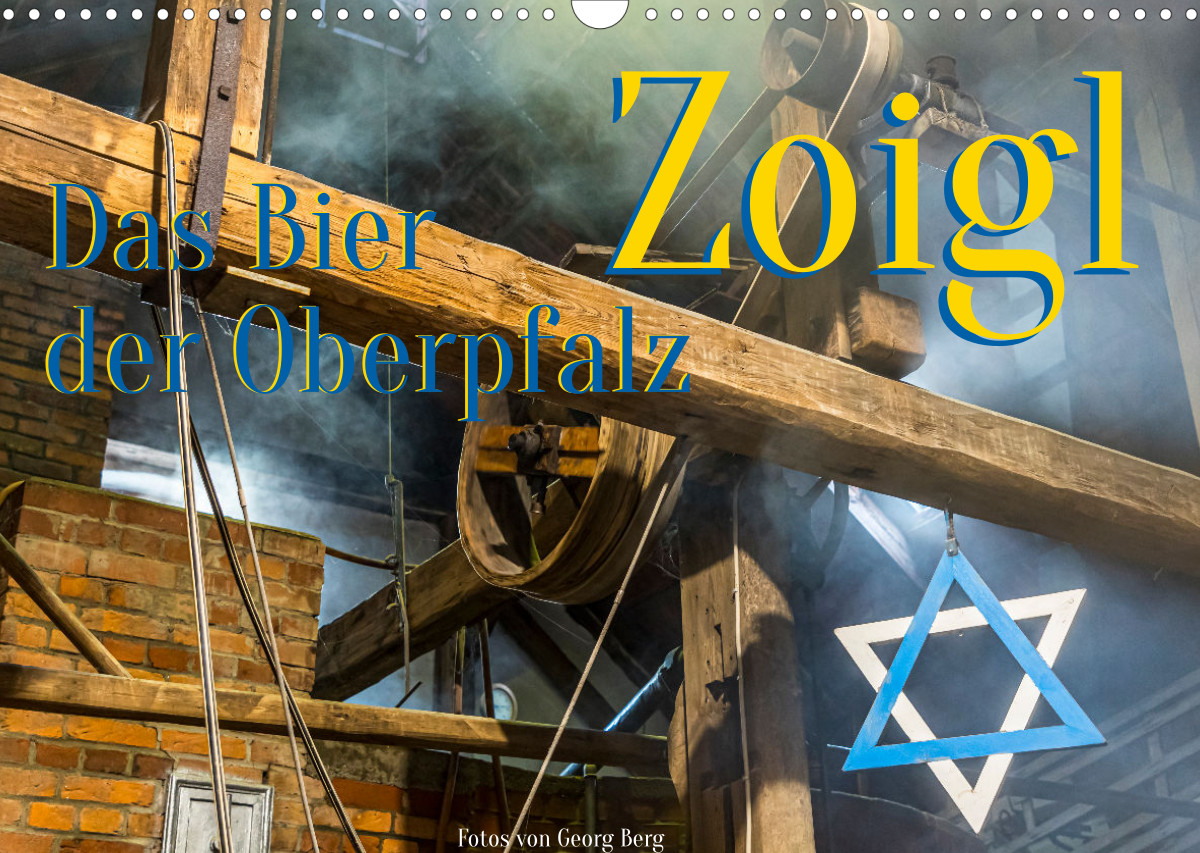
Over the next few hours, the brewmaster’s experience determines which flavor carriers will be represented in the beer. Again and again, Sepp holds a thermometer into the liquid. This is because the natural sequence of the relevant fermentation processes takes place at rising temperatures. For the first processes, in which enzymes play a role, the temperature must not be too high. The digital measuring device is almost the only break in style in this listed building. The rumbling agitator or the rhythmic pump are driven by transmission belts, just like at the beginning of industrialization.

The Upper Palatinate, like the neighboring Czech Republic, has a lively craft beer brewing tradition. Zoigl is part of Bavaria’s intangible cultural heritage and is fermented with bottom-fermenting yeast in cold private cellars. It is amber-colored, slightly cloudy and tastes fresh and drinkable despite its low carbon dioxide content.
Zoigl is traditionally brewed only in a few communities in the Upper Palatinate by private individuals for their own consumption. The brewing right for this is registered in the land register and is sold or inherited with the associated buildings. In Falkenberg, about 40 of the 120 registered home brewers currently practice. In spring, they join together to form a brewing community on 10 days and in autumn on 5 days. The Zoigl-Stuben brew according to demand. Before the Corona pandemic, they were well attended, and last year they took up the brewhouse on 25 days.
The essence of the Zoigl tradition can also be experienced in Zoigl-Stuben, open to the public, which brew the beer according to a Zoigl calendar that changes weekly, along with simple dishes. Various large breweries also want to profit from the Upper Palatinate Zoigl tradition by offering their cellar beer as Zoigl beer.
Taste comes from experience


After the malt has been stirred into water at 30 degrees Celsius, hot water is added and the so-called egg white rest is inserted below 50 degrees. With constant stirring, the protein dissolved in the liquid is broken down into amino acids in the unheated mash tun. Since in the traditional method practiced in Falkenberg the temperature cannot be controlled by the fire heating, the next temperature range can only be reached by mixing. At noon, the fire gives the maximum power.
Each rest shapes the character of a beer

The fresh brewing water and the brew pan on top are heated by the fire. A lot of experience is needed for the brewmaster to achieve both the temperature and duration of each rest and the concentration of the liquid. Rest is the technical term for a period during which the temperature is kept constant. During the moderate heat phases of the first rests, part of the mash is pumped high into the brew kettle. This decoction process thermally breaks down the starch molecules into fermentable sugars at about 60 degrees. The pump in the Kommunbrauhaus works with a reliable mechanism. It can be repaired even today by the village blacksmith.
Purification from mash to wort

After some time, a malt cake has settled on the bottom of the mash tun, acting as a filter. From the lauter tun, the Zoigl wort flows into a tub embedded in the bottom, from which it is pumped up into the brew kettle. During the lautering process, the liquid is separated from the malt components, is now called malt wort, and is only processed further in the brew kettle. The spent grains left in the lauter tun are washed out with several subsequent water infusions. This affects the concentration and flavor of the malt wort until the brewmaster is satisfied with the resulting original wort.
When the starch is completely saccharified, the temperature can be raised to boiling point. After the addition of 6.5 kilograms of hops, the wort continues to boil for another 30 minutes and, after the correct sugar concentration has been determined, is drained into the so-called cooling vessel for cooling. This large shallow basin fills almost a third of the total area in the brewhouse.


The brewing day draws to a close

Sepp Neuber has tasted the mash and checked the concentration of the original wort. The day draws to a close and the original wort pours into the cooling vessel. There, it cools down to below 20 degrees by the next morning and, through evaporation, enriches its concentration so that the Zoigl beer has the typical alcohol content of 4.9 percent after fermentation. Shortly before the brewhouse fills with dense fog, the Zoigl brewmaster stands at the ship with a home brewer

Hard work the next morning
The same procedure is repeated for an entire week. While the home brewers collect their original wort from the previous day, brewmaster Sepp Neuber has stoked the fire again for the new brew. Tractors with beer tanks have driven up and the task is to distribute the 2,400 liters of original wort fairly among the three home brewers. Audible to all, Sepp counts the beer buckets he has filled, which are distributed according to the previously agreed quantity ratio of the brew community. The traditional wooden buckets hold 35 liters. They are carried in pairs and tipped into the beer tanks with the help of a third man.


Fermentation in the cool rock cellar
The Felsenkeller is the great hour of the home brewers. Here, everyone decides for themselves which yeast to use to start fermentation. At 12 degrees, the bottom-fermenting yeast makes it through the last step in the brewing process after about 10 days. Then the unfiltered Zoigl is filled into barrels or bottles. In the 25-30 rock cellars on the outskirts of Falkenberg, the temperature is ideal all year round for storing the naturally cloudy delicacy.


Calendar
Wall calendar with photos by Georg Berg available in bookstores (also online) in different sizes. (*)