
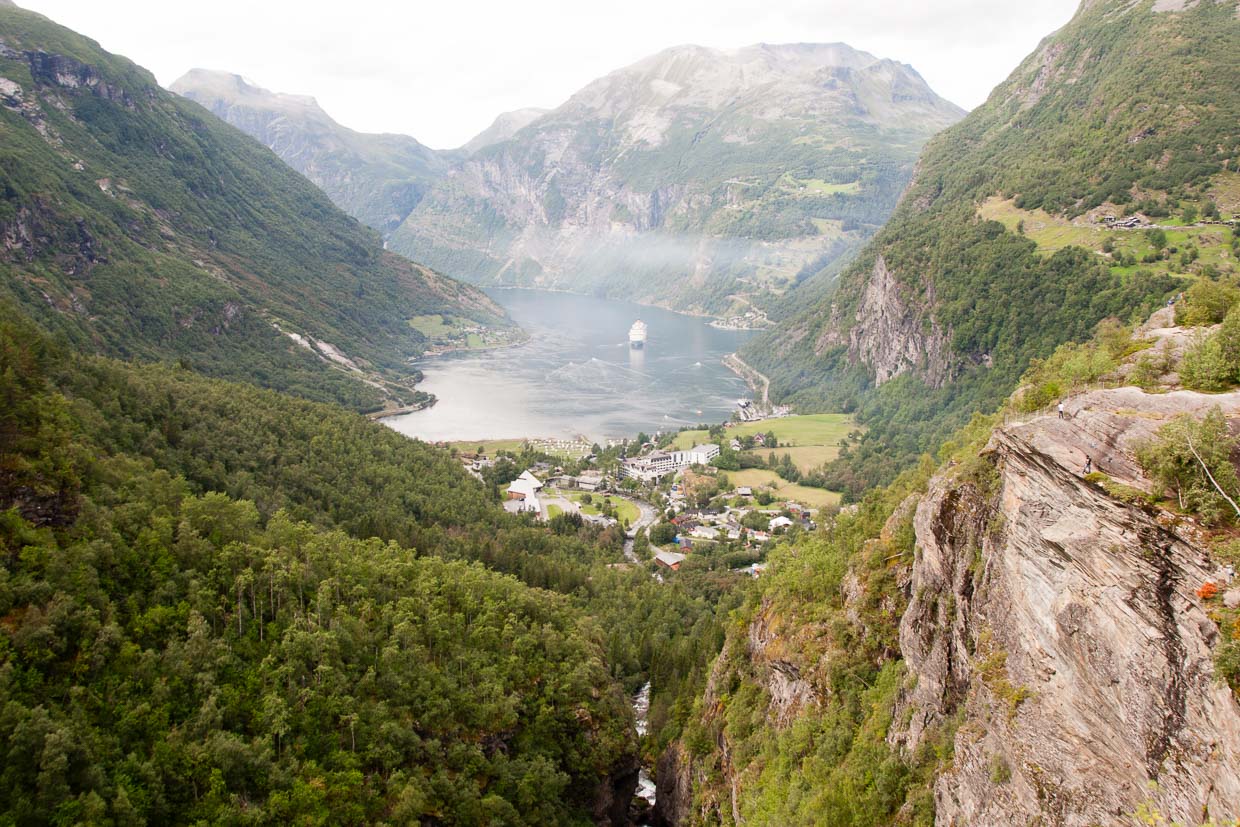
A cruise ship is anchored off Geiranger, a village at the head of a fjord in western Norway. It is not moored at the quay. Small tenders bring the passengers ashore, leaving bright trails through the dark water. Seen from above, it looks like a landing.
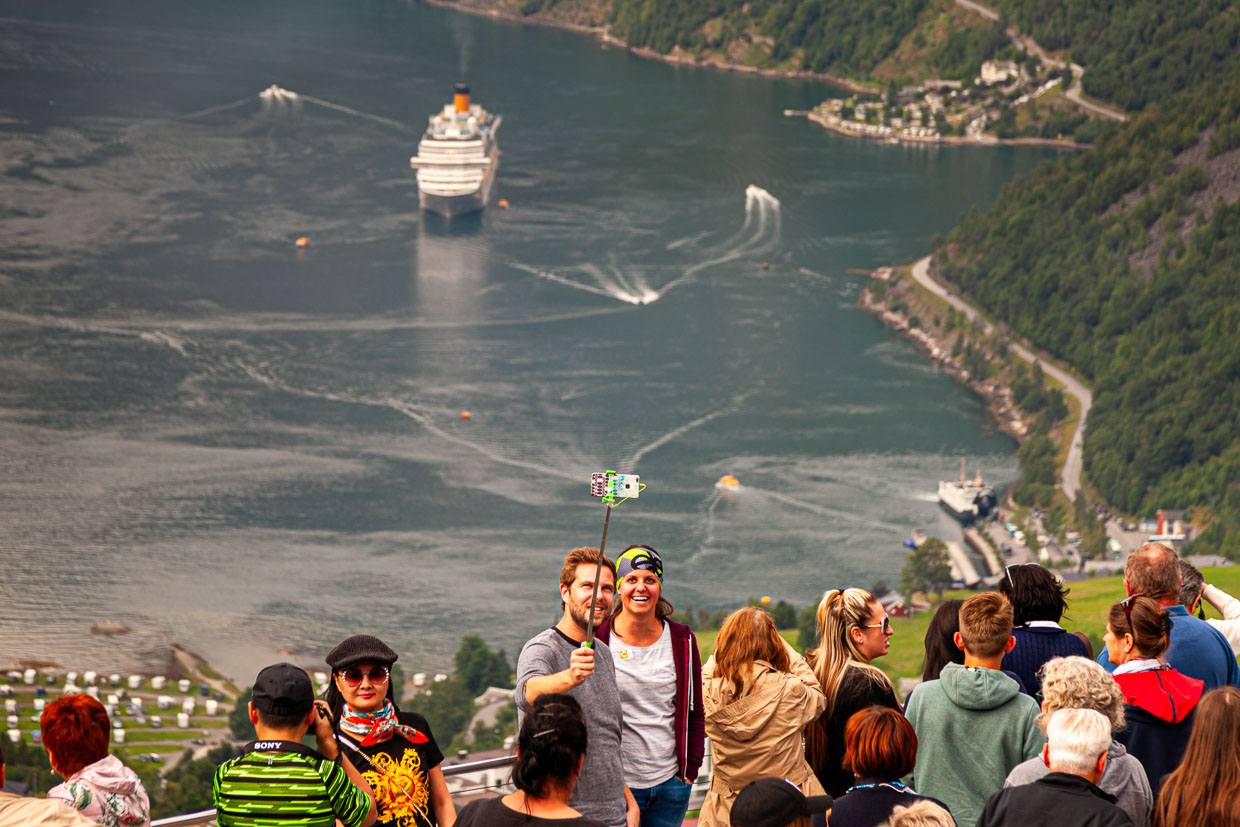
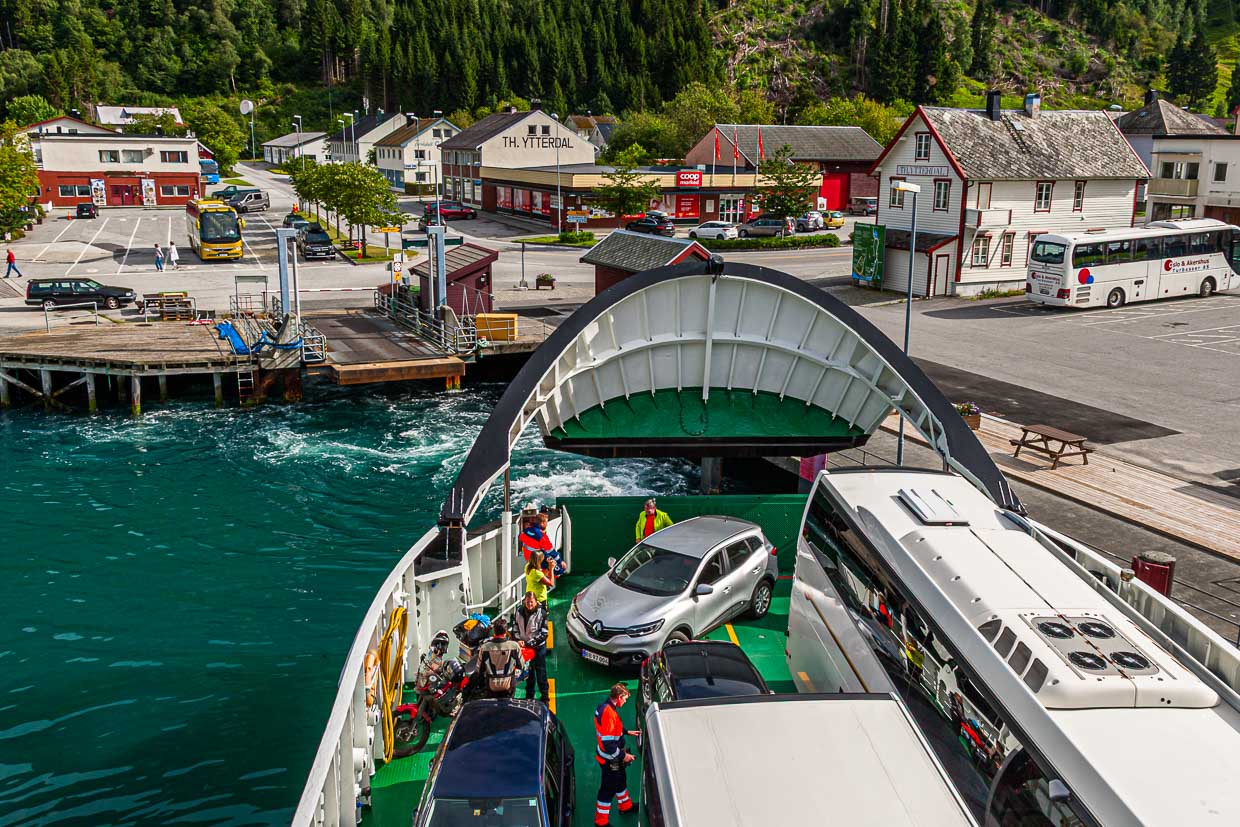
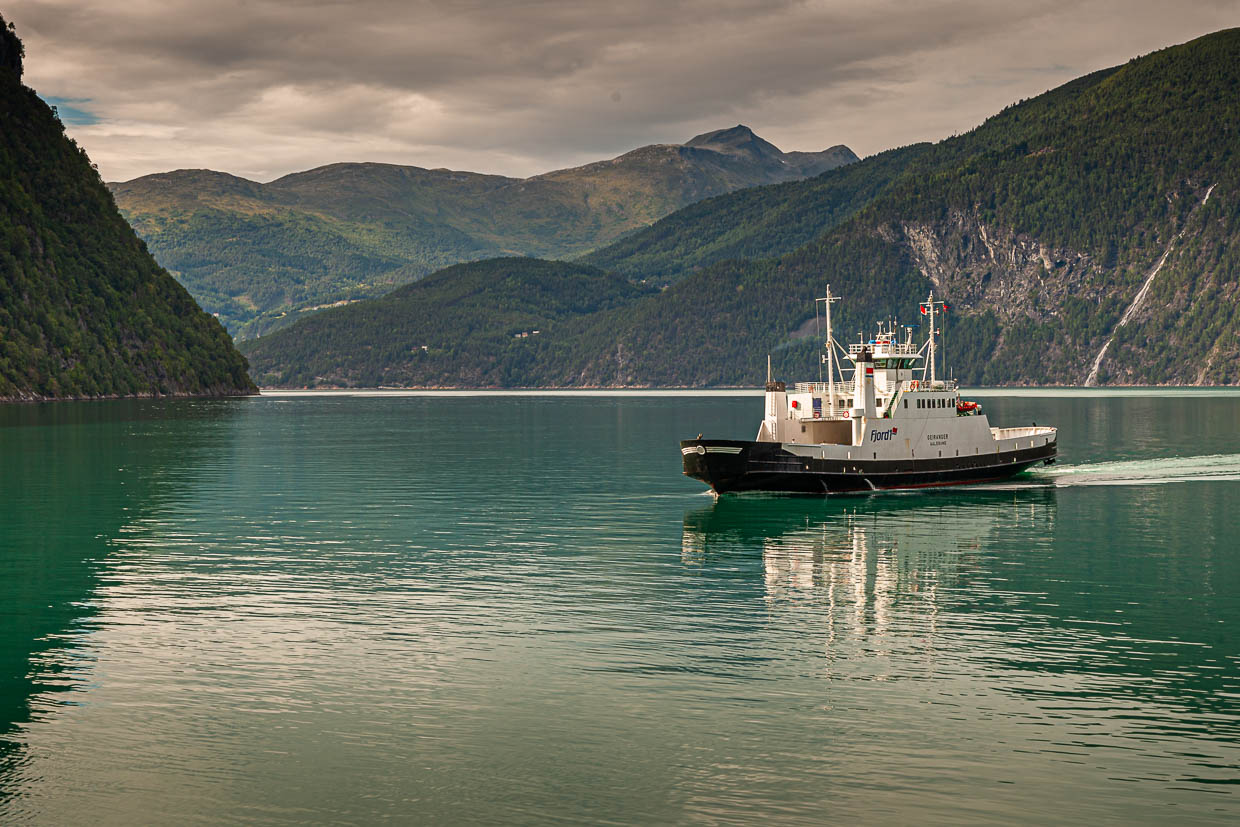
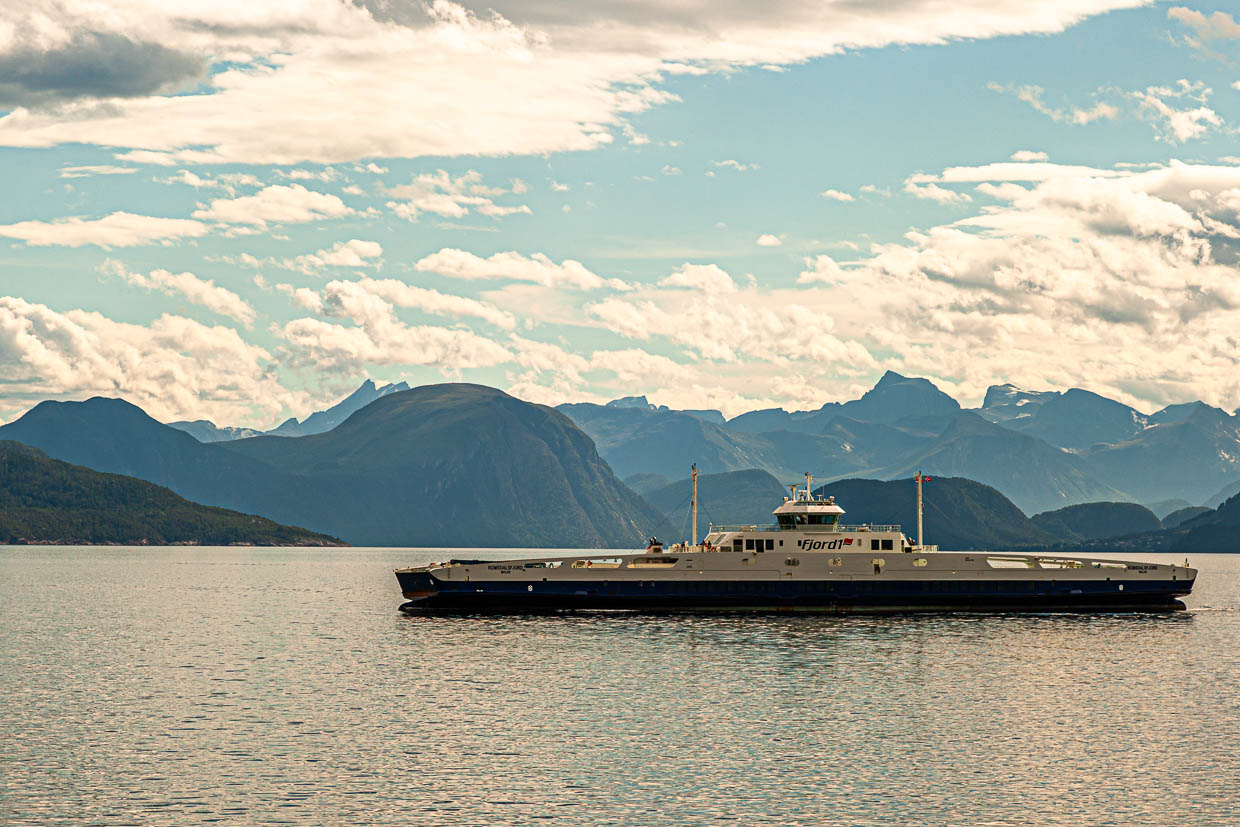
Next to me, more and more people are crowding round the railing of the viewing platform where our car is parked. I’m taking photos. Meanwhile, buses are bringing passengers here – they want to photograph their ship. This scene accompanies us on our journey. In Germany, we can reach almost anywhere by car. In Norway, a ferry often takes us to the other side because the fjord cuts off the road. The quickest route here is usually across the water, not over the mountain.
Water beats land
This was also true in the past. In medieval England, transport overland was twice as expensive as by river. I’m familiar with this principle from the raftsmen in the Black Forest. Their timber floated of its own accord – down the Nagold and the Rhine as far as Rotterdam, a journey of around 800 kilometres taking several months. The raft was both the vehicle and the cargo. It was only the railway that brought this trade to an end in the 19th century.
A ship for every body of water
The Vikings built ships that could navigate any waterway. The Gokstad ship at the Viking Ship Museum in Oslo measures a good 23 metres in length – the length of a tennis court – and a good five metres in width. Under its square sail, it could reach speeds of up to twelve knots – about 22 kilometres per hour. There are sixteen oarlocks on each side. The oars were used in calm conditions and in narrow waters. The flat hull allowed the ship to sail up rivers and land on the beach.
The fear of the towns
On 8 June 793, ships landed off Lindisfarne, a monastic island off the north-east coast of England. The attackers plundered the monastery and killed monks. The scholar Alcuin, an adviser to Charlemagne, wrote that such terror had never before befallen Britain. It is considered the first recorded raid of this kind.
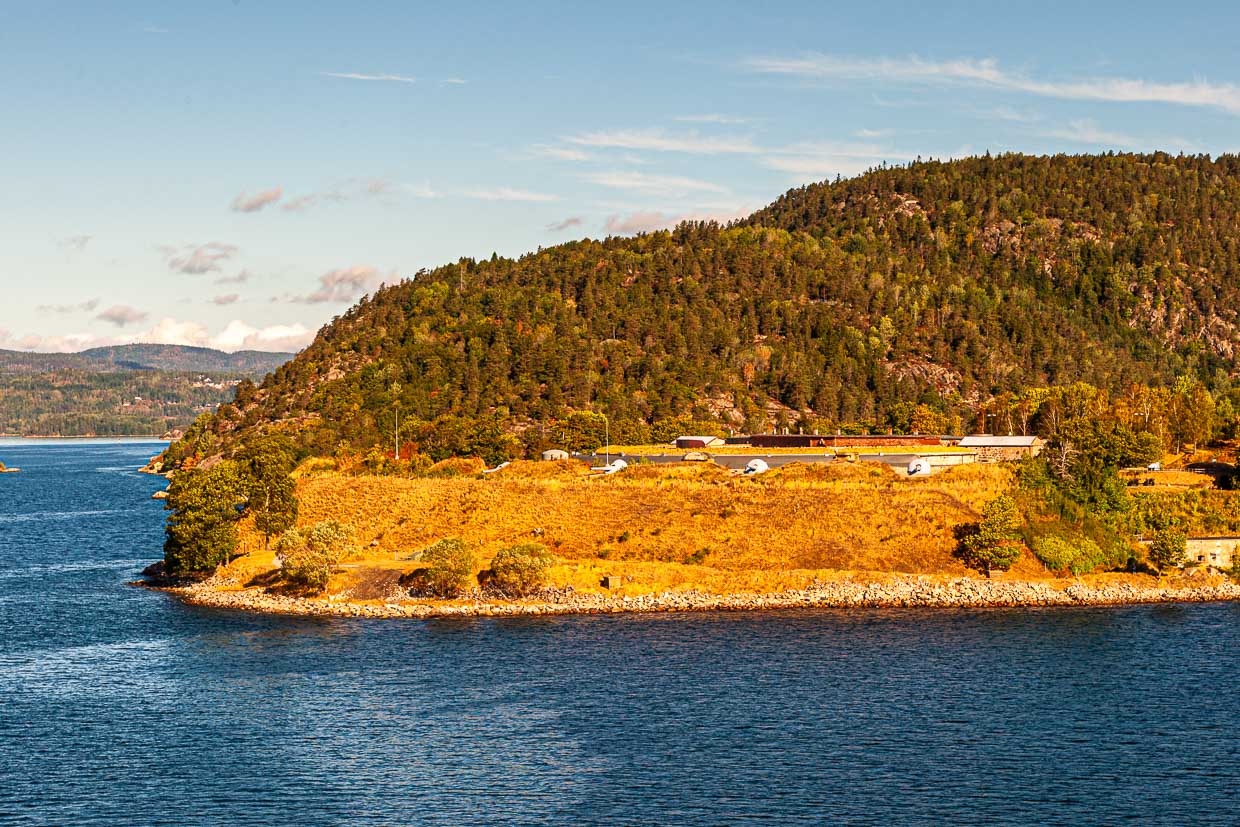
In 845, pirates reached Hamburg. In his biography of his teacher, Archbishop Ansgar, the monk Rimbert describes how the ships appeared unexpectedly and surrounded the castle. The castle, church and monastery were set alight; Ansgar fled. The army came from Denmark, not Norway. The term ‘Vikings’ encompasses men from all three countries.
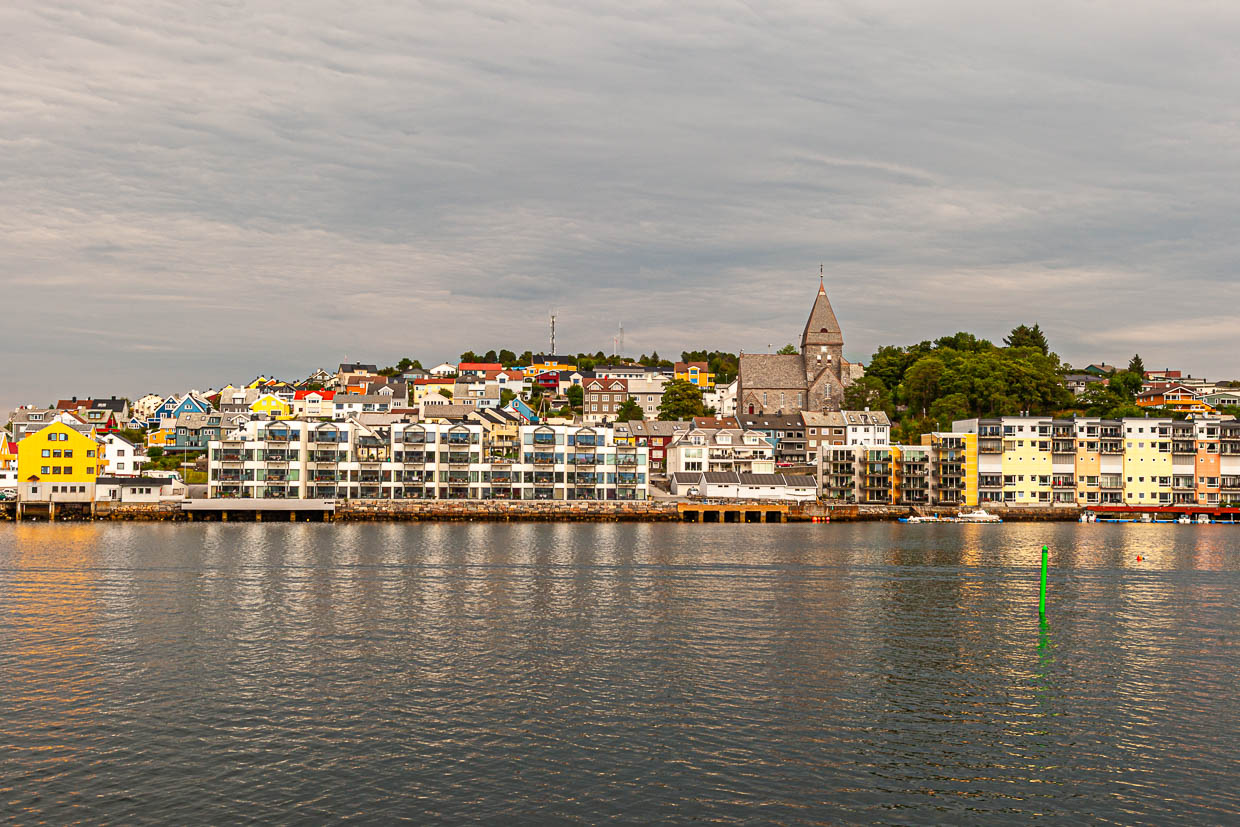
Towns were situated by the water because trade depended on it. This made them vulnerable. The ships arrived swiftly and without warning. Kristiansund on the west coast of Norway illustrates just how close the water came to the houses. The old town stands on several islands.
Beyond the school textbook
The ships did not only sail westwards. Via the Dnieper, the Düna, the Volga and the Don, men from the north reached the Black and Caspian Seas. There, they were not called Vikings, but Varangians or Rus. Settlements such as Novgorod sprang up along this route.
To the west, the journey extended even further. At L’Anse aux Meadows, on the northern tip of Newfoundland, Vikings felled trees in the year 1021. Analysis of the tree rings confirmed this in 2021. That was almost 500 years before Columbus.
More civilised than expected
Those who travelled this far brought more with them than just weapons. In Iceland, the Althing convened in 930, an assembly that passed laws and settled disputes.

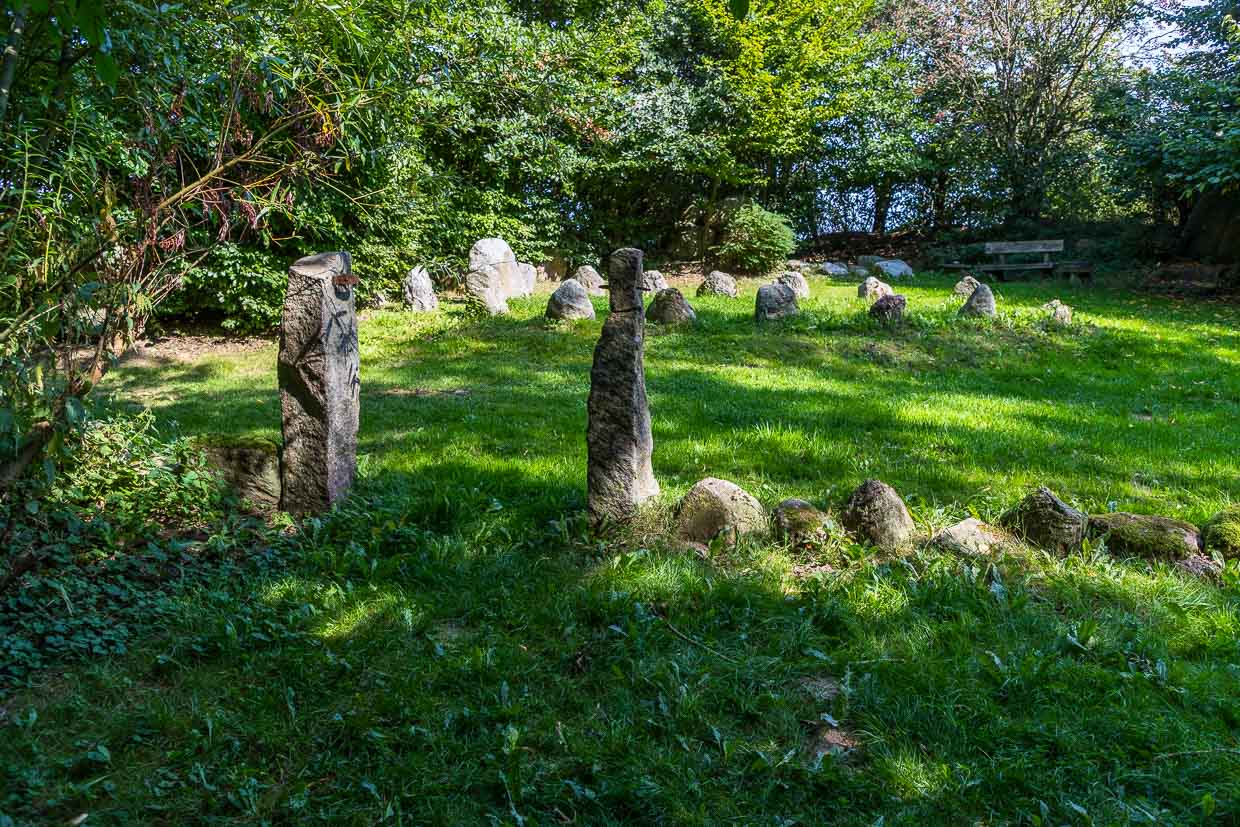
In northern Germany, too, people gathered at thing sites, such as near Kappeln. Haithabu on the Schlei was laid out according to a plan, with roads as well as residential and commercial areas. In the grave of the Oseberg ship, archaeologists found sledges, tapestries and silk ribbons.
Ever since our school days, we have imagined northern Europe as dark, cold and inaccessible. There, we learnt mainly about the history of the Greeks and Romans. After this journey, I believe that image to be wrong: it was the water that made the north accessible. A church door in Urnes demonstrates just how exquisite the woodcarving of that era was.
From Raid to Church
Urnes lies on a headland overlooking the Lustrafjord, an inner arm of the Sognefjord. A wooden tower with a pointed spire rises above a brown roof, surrounded by graves. From here, I see nothing that reminds me of the Vikings. That is deceptive. The stave church owes its name to the staves: vertical posts support the building, whilst the walls fill the gaps, much like in half-timbered construction. There were once more than a thousand such churches in Norway; 28 remain. Urnes is the only one of these on the UNESCO World Heritage List.
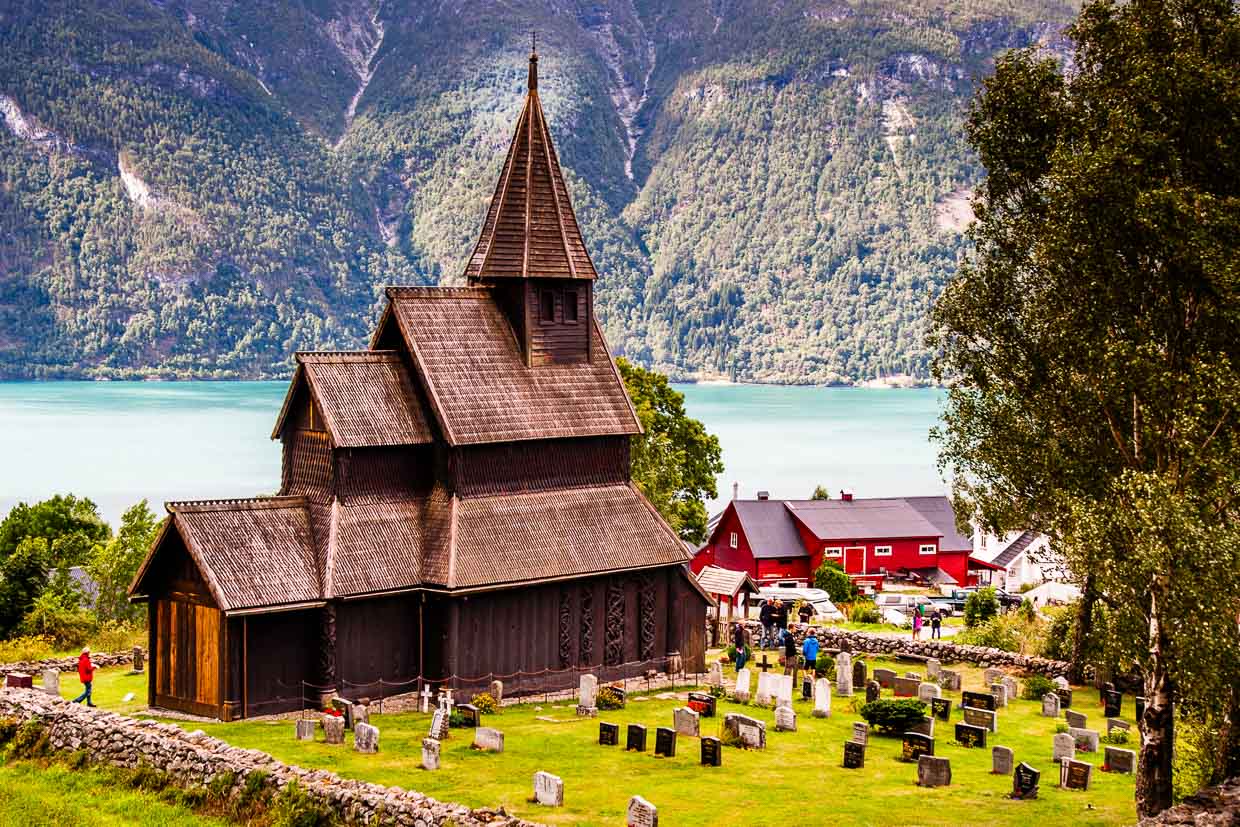
The man who Christianised Norway was himself a Viking. Olav Haraldsson set out on a Viking expedition (as an enterprise, not as a people) around 1008 and reached as far as Normandy. The region is named after the Northmen who had settled there. Their descendants, the Normans, conquered England in 1066. In Rouen, Olav visited churches and monasteries; in the winter of 1014, he was baptised. By 1024, Christianity was the only permitted religion in the country. In 1030, he fell in the Battle of Stiklestad.
The tree rings reveal the age of the church. Carpenters felled the timber used for the present-day church around 1130. The door on the north side comes from a previous church. The timber used for it grew until around 1070, a few years after the Battle of Hastings. The builders of the new church reused it. Snakes and animals wind their way through the wood, intertwined and as slender as tendrils. Art historians refer to this as the Urnes style. It is regarded as one of the last examples of Viking-era animal ornamentation.
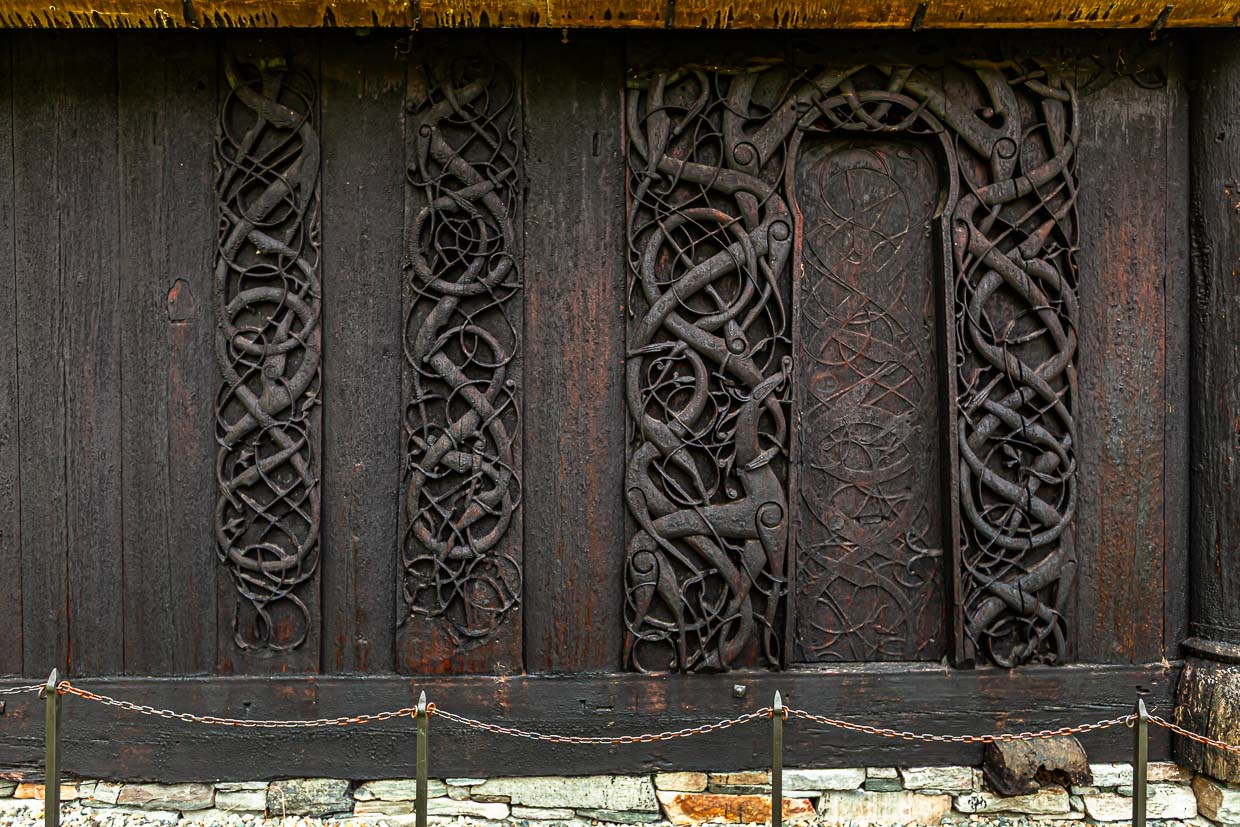
For a long time, the tendrils were regarded as pagan, representing the world tree Yggdrasil. A research group at the Norwegian University of Science and Technology (NTNU), led by art historian Margrete Syrstad Andås, disputes this. The animal is a stylised lion, a heraldic animal of the late Viking Age, and may represent Christ in his battle against evil. Snakes transformed into lilies, a symbol of redemption. For me, the door fits into a time when the old and the new worlds still existed side by side.
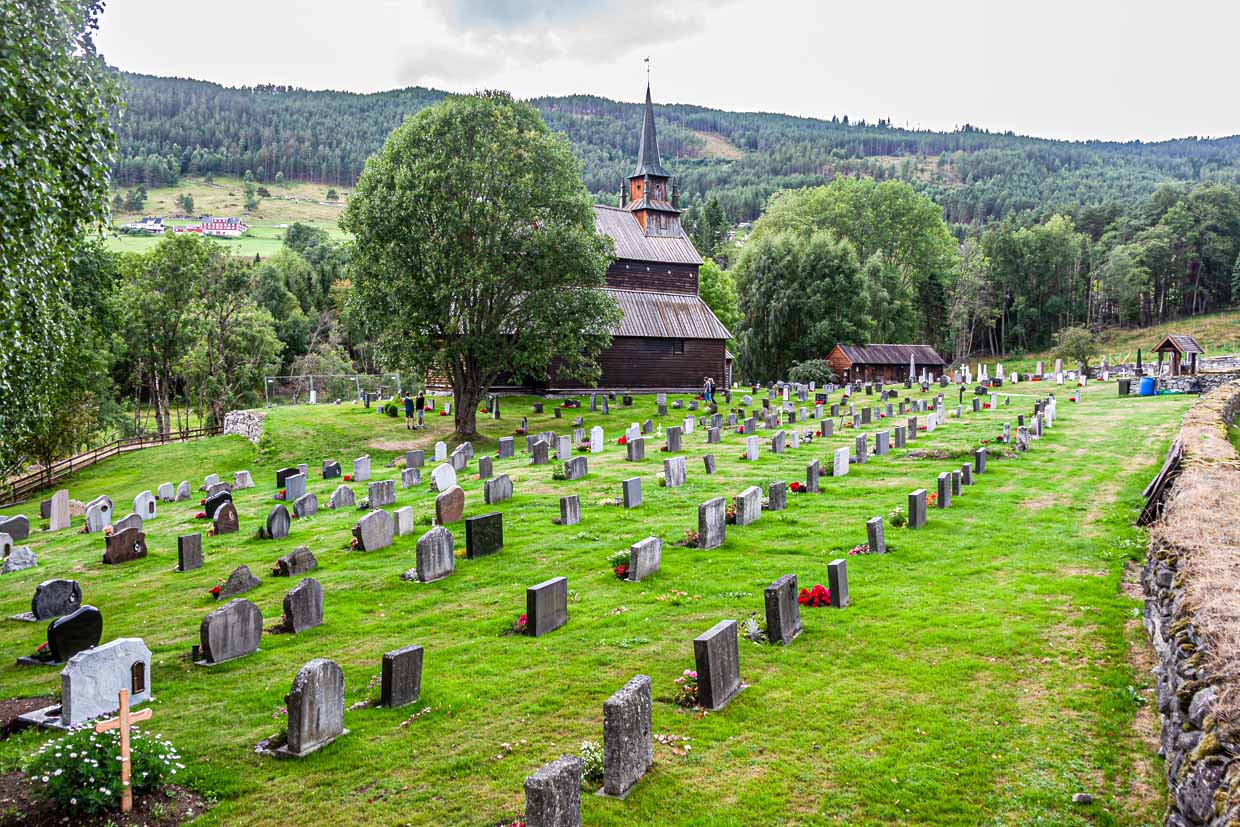
Today, the animals on the door pose no threat to anyone. They have become art. The Black Death, the Reformation and a church law of 1851, which required more space, led to the disappearance of most stave churches. In Kaupanger near Sogndal, carpenters felled the trees for another church in 1137. It still serves as the parish church today. The church at Fantoft near Bergen was lost in 1992. Someone set it alight. It was rebuilt as a replica.
Another landing
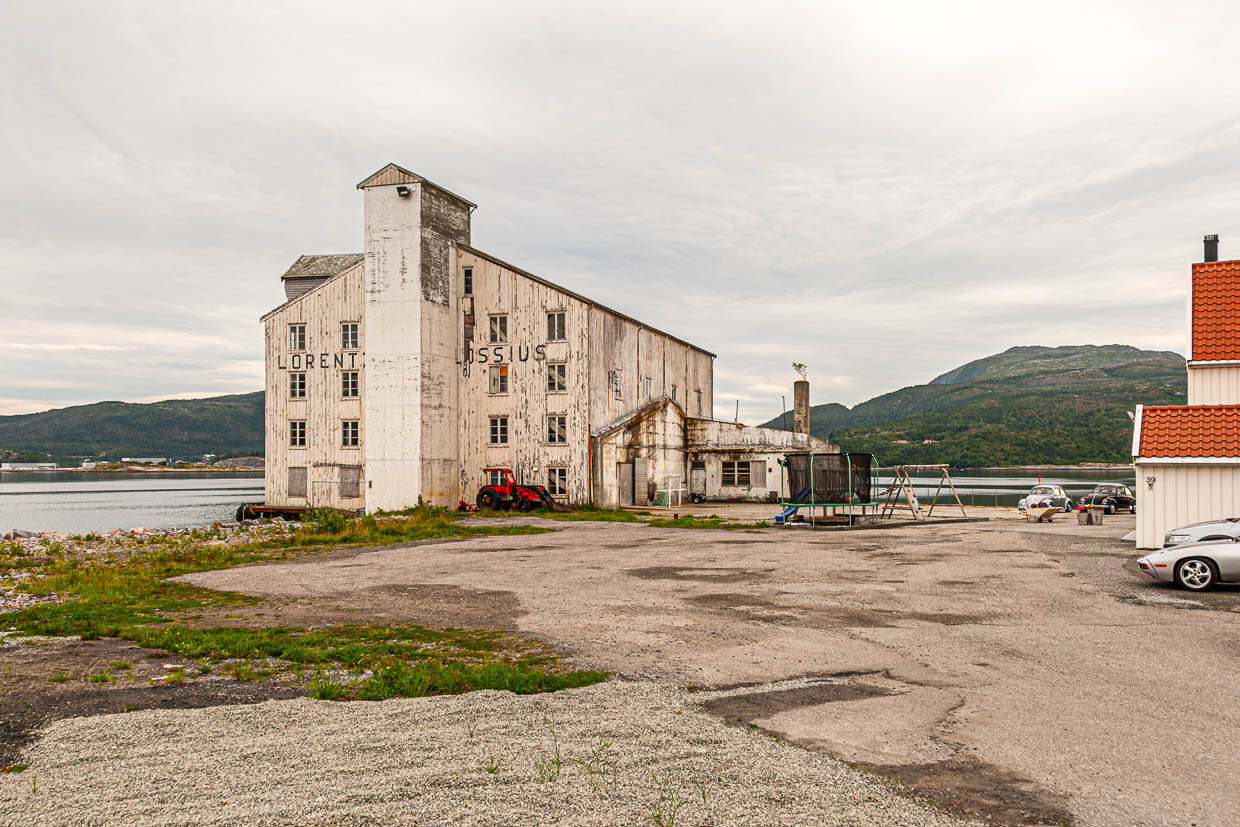
Norway’s ships still set sail. In Kristiansund, merchants processed salted, dried cod – known as klippfisk – for centuries and sold it to Portugal, Spain and Brazil. The ‘Lorentz A. Lossius’ warehouse still stands on stilts in the water.
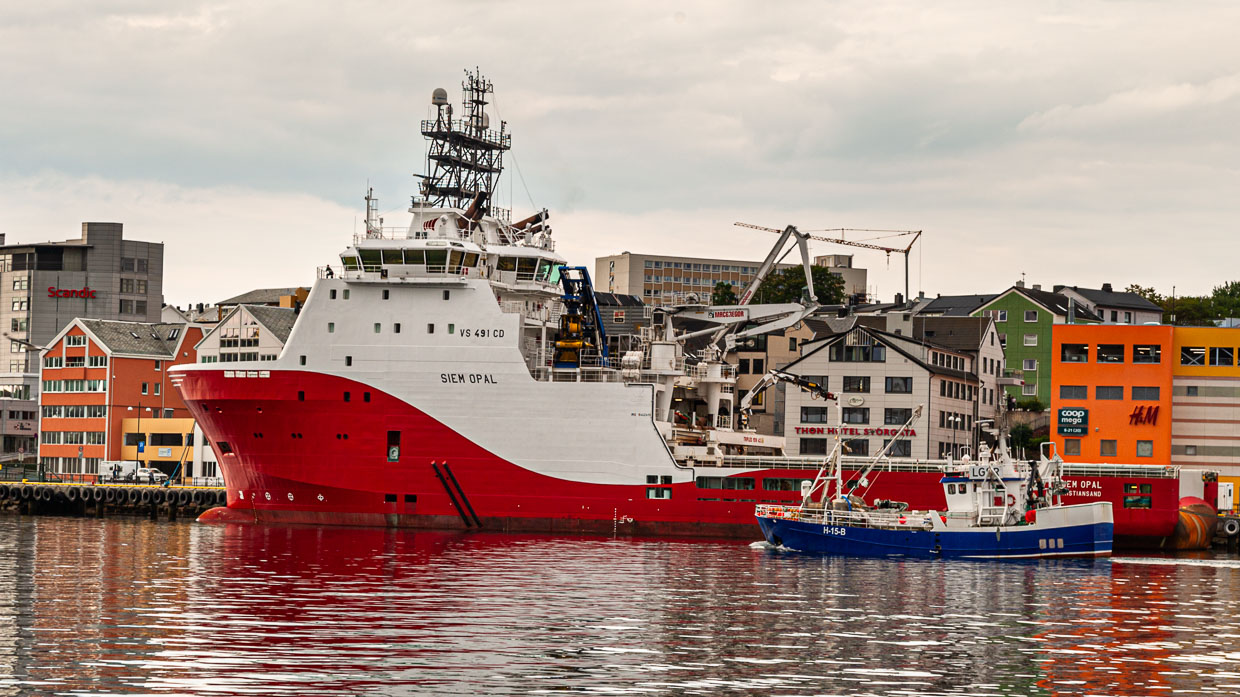
Today, the cargo consists of guests. In 2024, Geiranger recorded 185 ship visits and 510,000 passengers. That is an average of just over 2,700 guests per ship. The Gokstad ship was manned by 32 oarsmen. The fjord has been a World Heritage Site since 2005, along with four other fjords in western Norway. From 1 January 2026, passenger ships under 10,000 gross registered tonnes (GRT) must operate there using battery power without direct exhaust emissions and be supplied with shore power whilst at anchor. Larger ships have until 2032 to comply.
In Geiranger, the rule was not met with universal enthusiasm. In 2019, the German Press Agency quoted one respondent as saying that a strict ban would mean practically no more cruise ships for the area. The fjord is a World Heritage Site, but it is also a source of employment.
From the viewpoint, both look much the same: a large ship, lots of small boats, a shore. In 1984, Hamburg had no time to fight back. In Geiranger, the port publishes the date, time and number of passengers for each ship in advance. The Vikings took whatever they could carry. We take photographs.
More from Norway
When water was the road, the Vikings travelled far and wide, leaving behind wooden church doors in the west of the country (When Water Was the Road). At Eidsvatnet near Skjolden, Ludwig Wittgenstein had a house built (Wittgenstein: To Say or To Show). In Olden stand the thatched-roof houses of an American painter (Singer’s Green Houses).


