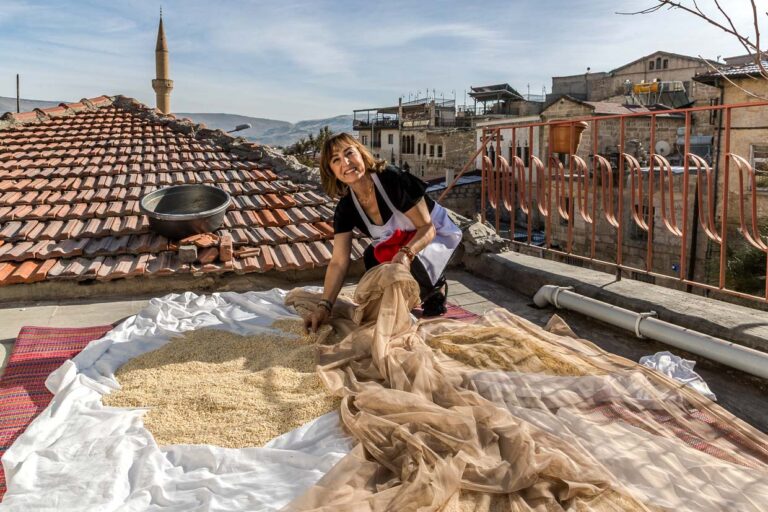
Ürgüps women’s co-operative in Michelin
Women cook traditional dishes at the Tık Tık Kadın Emeği restaurant – and use them to finance young women’s studies in Istanbul

Travel Magazine in four Languages
Women cook traditional dishes at the Tık Tık Kadın Emeği restaurant – and use them to finance young women’s studies in Istanbul
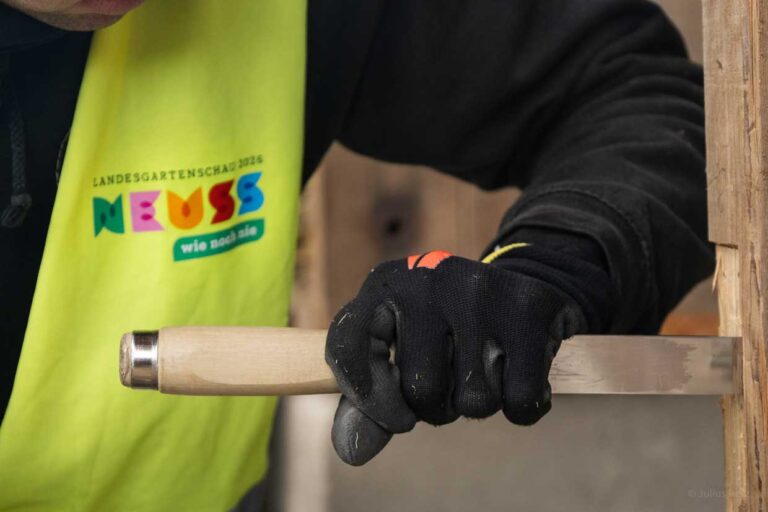
Sustainable construction and recycling as an architectural statement: a skater pavilion is being built for the Neuss 2026 State Garden Show
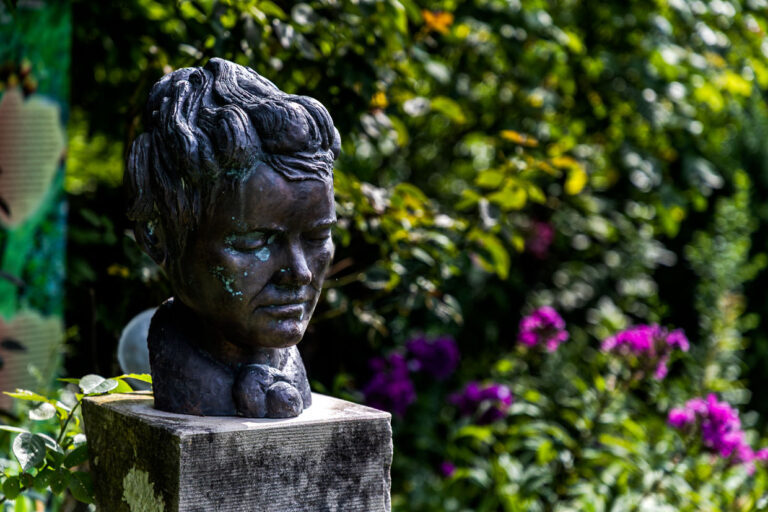
From the city to the countryside. This trend already existed around 1900 and the ideal of the reform era became a trap for Mia Hesse
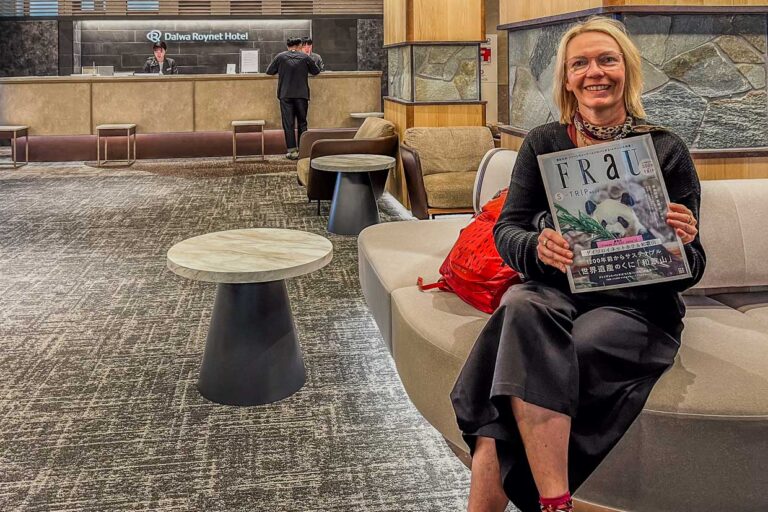
In a hotel lobby in Wakayama City, my eyes fell on an attractively designed magazine. The word WOMAN was emblazoned on the cover in large Latin letters…
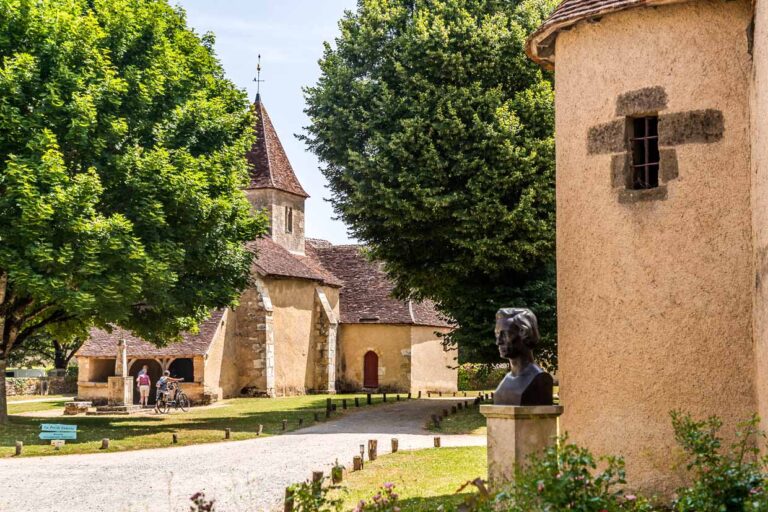
The Nohant estate was a retreat and source of strength for George Sand. Here she received Parisian friends and wrote novels. 2026 marks the 150th anniversary of her death
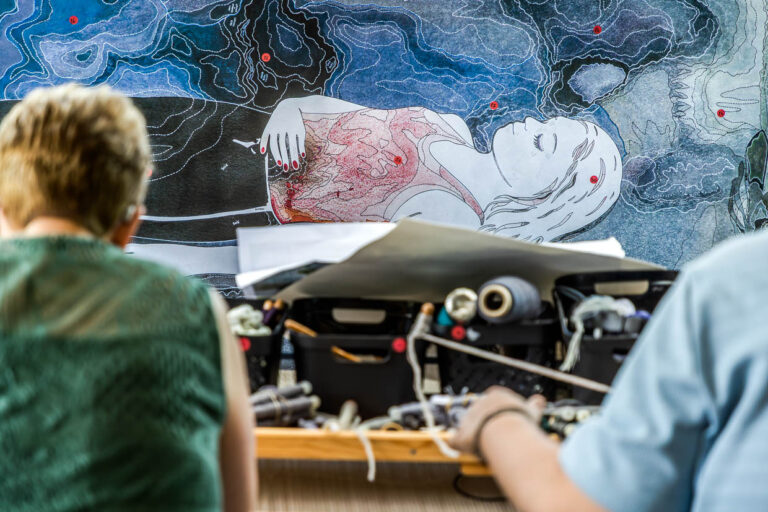
A monumental tribute is growing in Aubusson: on the 150th anniversary of the death of the Romantic and pioneer of women’s rights
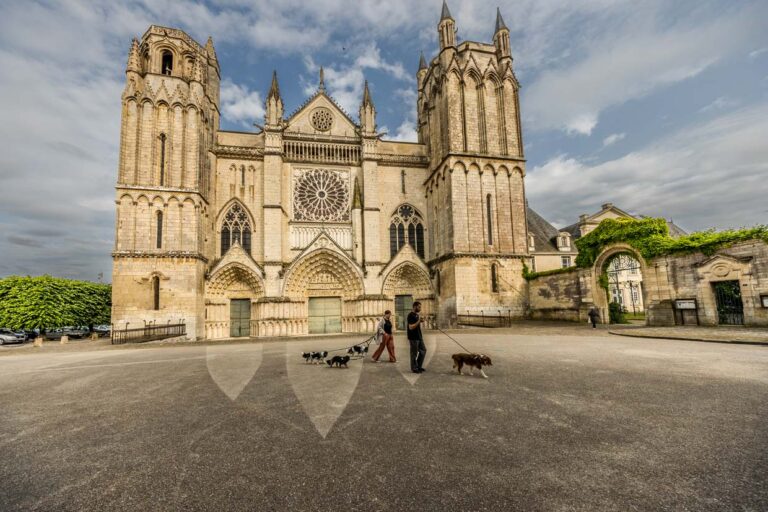
She was the femme fatale of the Middle Ages and Poitiers was her center of power. About the cinematic life of Eleanor of Aquitaine
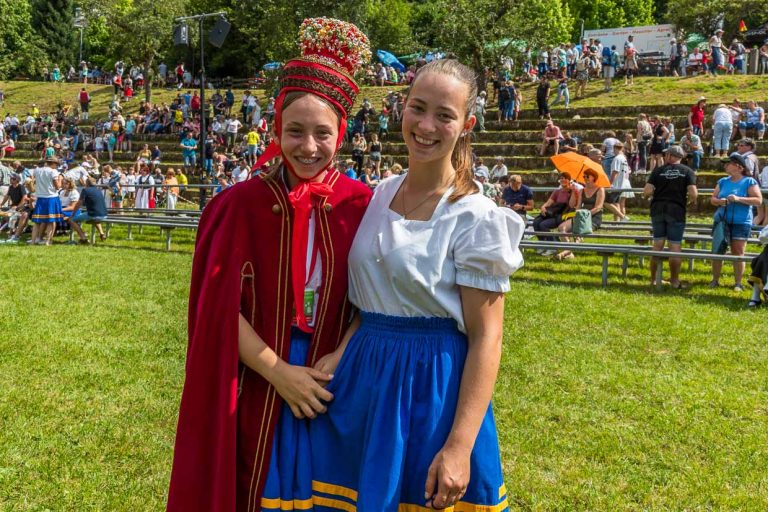
From shepherd’s daughter to professional shepherdess: something is happening in the male domain, as the Shepherd Run Days in Wildberg show
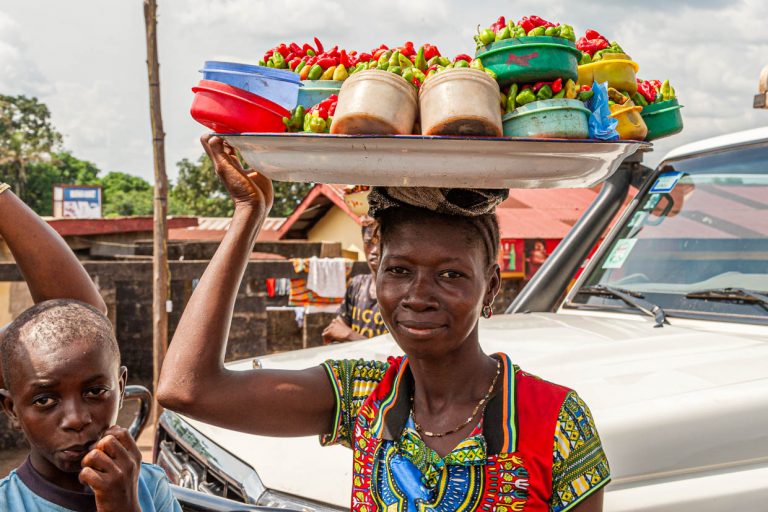
The renowned photo agency Alamy has dedicated its March POTM (Photo of the Month) competition to the theme of Empowered Women at Work. I was very pleased with the result, because the photographer with the most pictures is Georg Berg
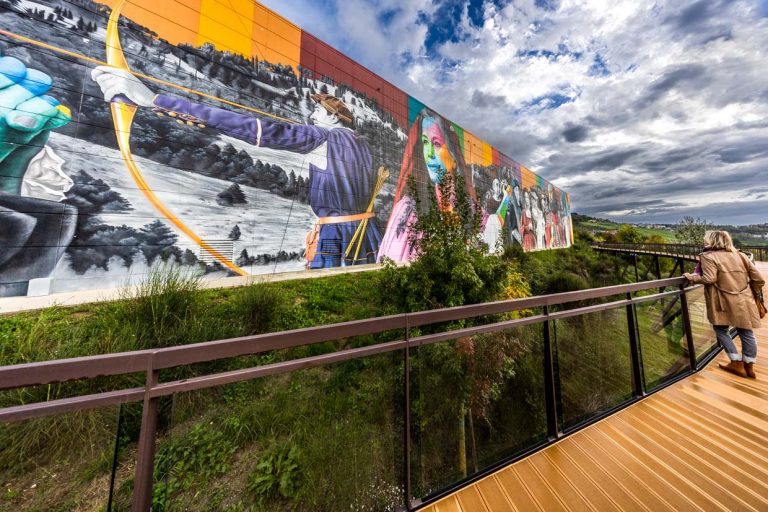
Resilient democracy. Since the 13th century, two Capitani Regenti have ruled the world’s oldest republic. Their term of office lasts only six months
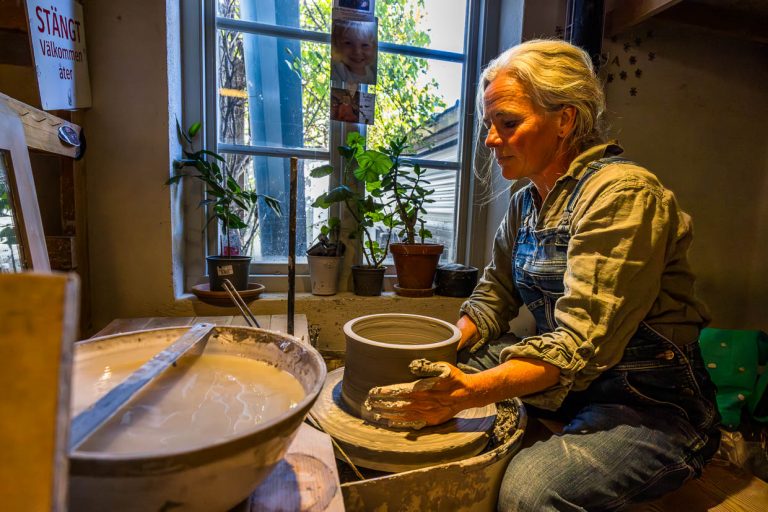
From ceramic workshop to café: Lisa Wohlfahrt offers salads, soups, pizza, cakes and pastries – and still ceramics
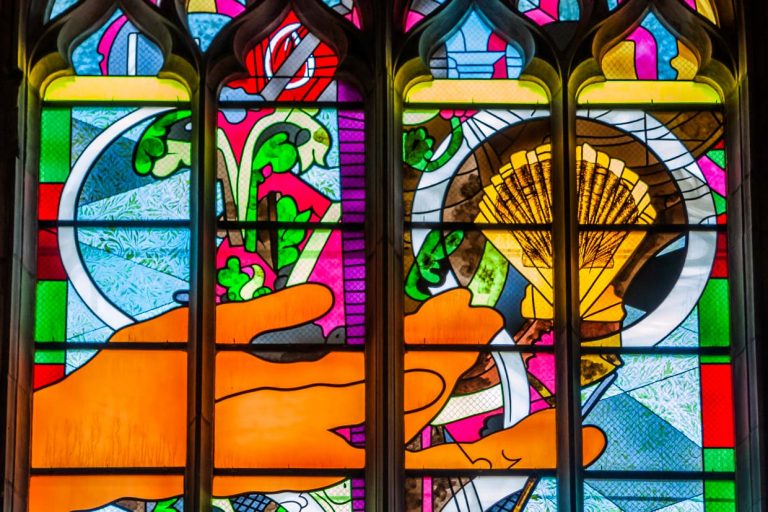
Nevers in Burgundy is an insider tip among pilgrims. It was here that St. Bernadette Soubirous was once drawn. The pilgrimage site of Lourdes owes its healing spring to her