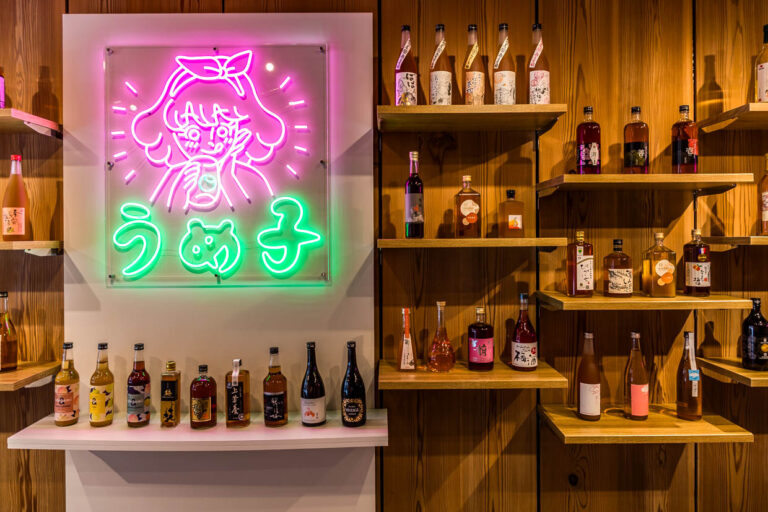
Umeshu Tasting in Tanabe
The first plum liqueur was brought to Edo from Wakayama over 400 years ago. The beginning of a success story

Travel Magazine in four Languages
The first plum liqueur was brought to Edo from Wakayama over 400 years ago. The beginning of a success story
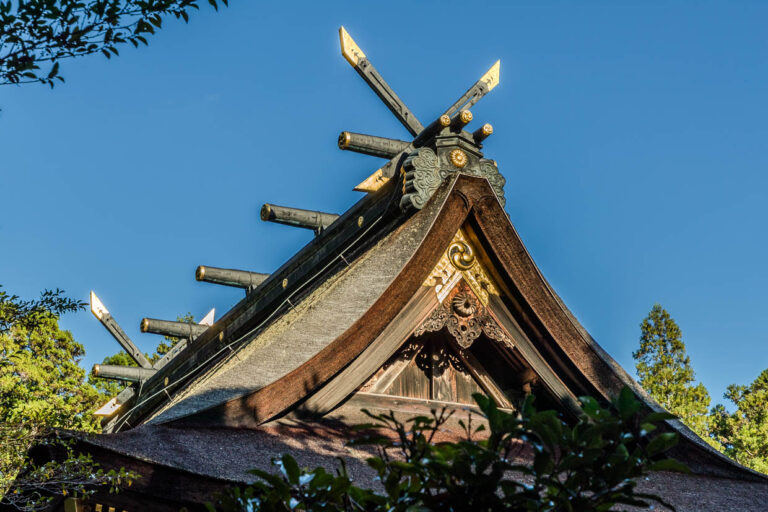
Hike in Japan through the Kii mountain forest, past traces of the pilgrims of past centuries to the Hongu Taisha Grand Shrine

Between Instagram motifs and cultural depth: historical hiking on Japan’s famous pilgrimage trail
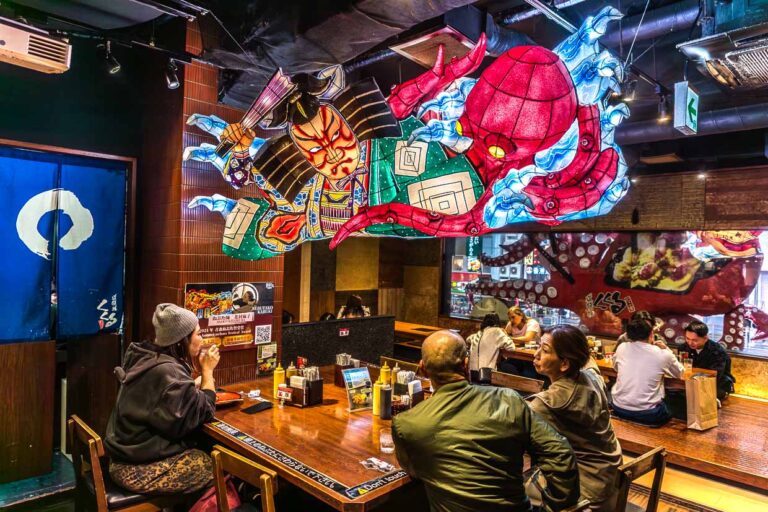
In Osaka, there is no way around the bright red octopus. The mix of crunchy octopus, soft batter and crispy shell makes them so popular
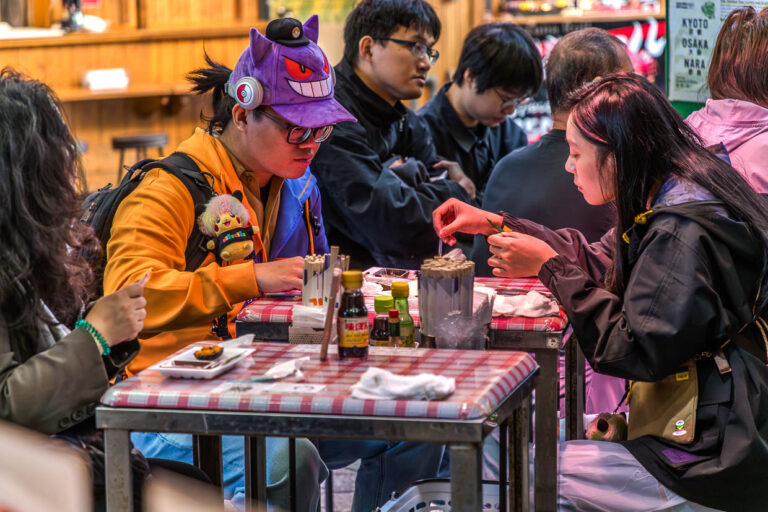
To understand why plush pendants are so popular in Japan, it helps to take a look at omamori, protective amulets from shrines and temples

In a hotel lobby in Wakayama City, my eyes fell on an attractively designed magazine. The word WOMAN was emblazoned on the cover in large Latin letters…

Using Cologne’s basic law, Japanese author Noriko Hasegawa navigates the European rail system, questioning the necessity of absolute perfection
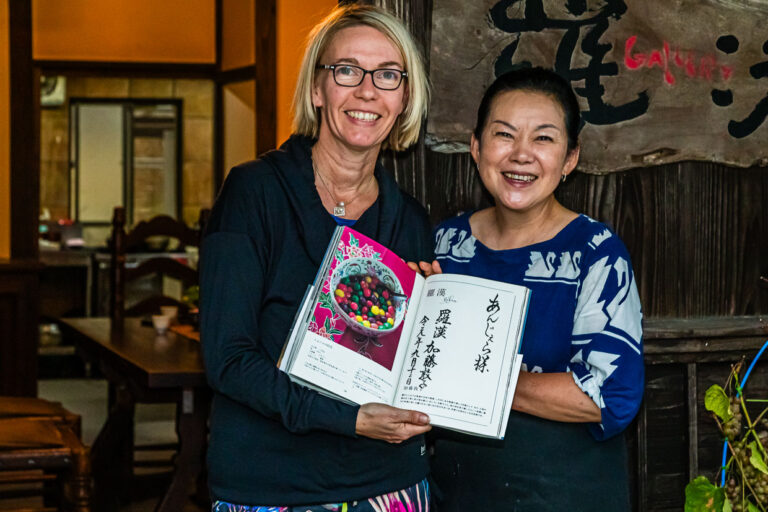
Kaiseki is considered the highest form of Japanese cookery. We met Atzuko Kato at her farmhouse on the Izu peninsula
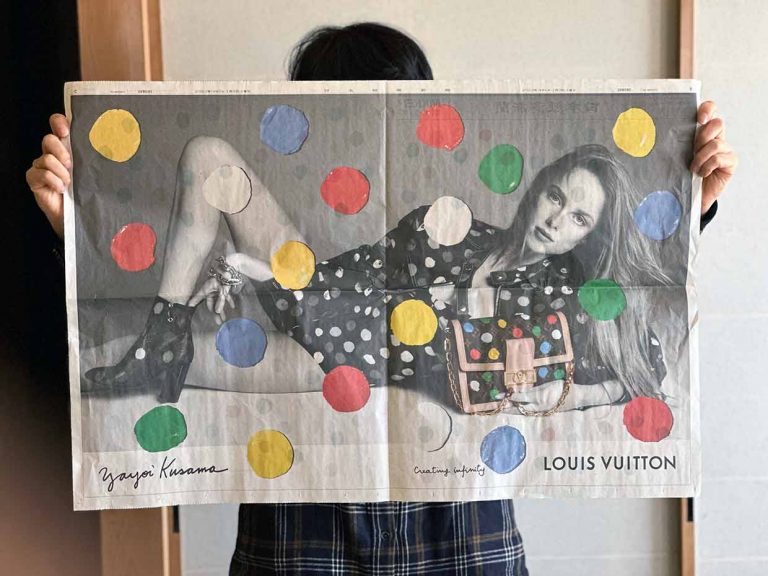
On an advertising stretch of four infinite pages and the slogan “Creating Infinity”, luxury brand Louis Vuitton launches its collaboration with Japanese artist Yayoi Kusama.

Kawaii is an expression of pop culture in Japan and its superstar Hello Kitty. The fan base is growing as the projection screens for the cute kitten

Tourists are welcome in Japan again. Corona pandemic entry restrictions lifted. Latest tips.
Yayoi Kusama is the most famous artist in Japan. In the Setouchi region on the island of Naoshima are her famous pumpkins with polka dots.