
All’s well that ends well? In retrospect, Hedwig Courths-Mahler’s life turned out like that of her novel’s heroines: A woman, employed and from a humble background, defies the odds and finds happiness. However, unlike her characters, Hedwig did not seek her greatest happiness in the man of her dreams, but in the time to write. Courths-Mahler was the most widely read German-language author of her time, the most translated of her generation and remains the best-selling writer in German literary history to this day. Her books were published in over thirteen languages, with a total print run of more than fifty million copies. Despite this, her name is still met with derision to this day – as if “Courths-Mahler” were not an author, but a diagnosis: trivial literature. Dime novel. Kitsch queen.
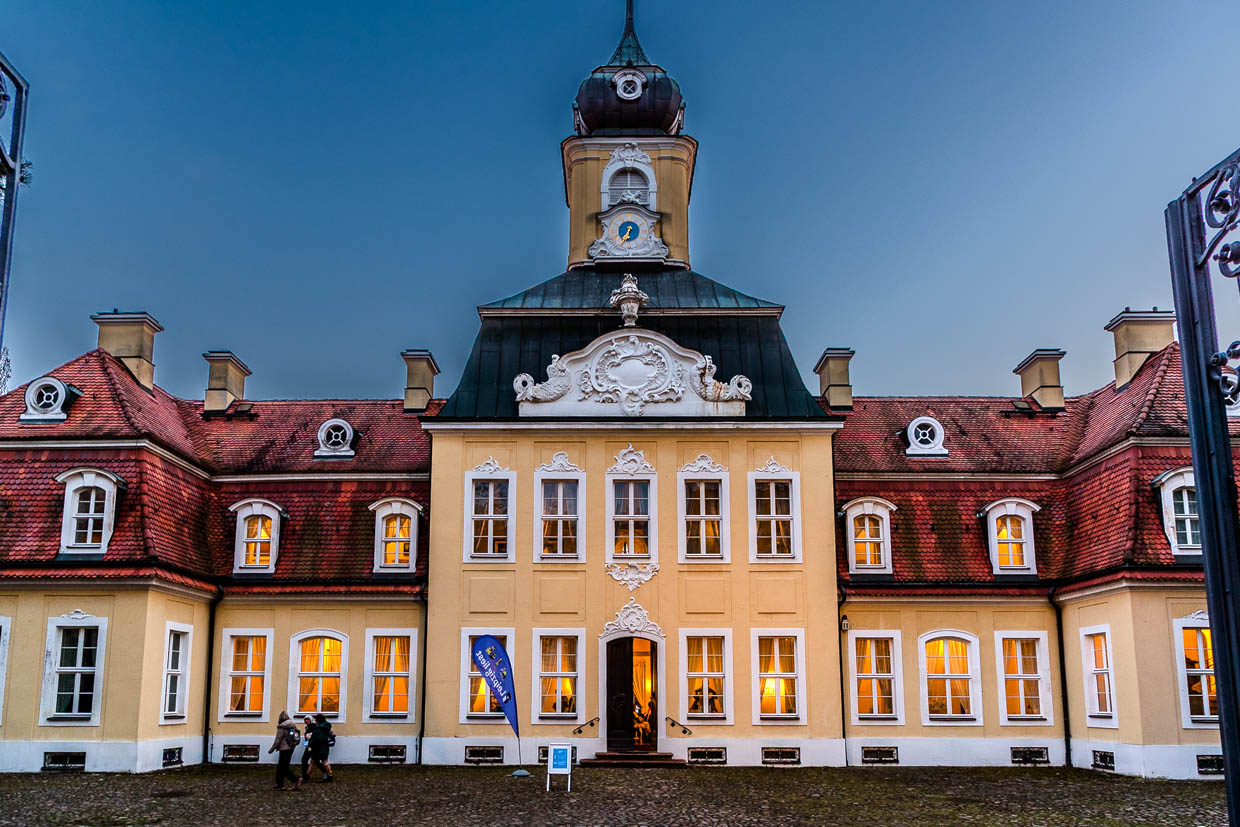
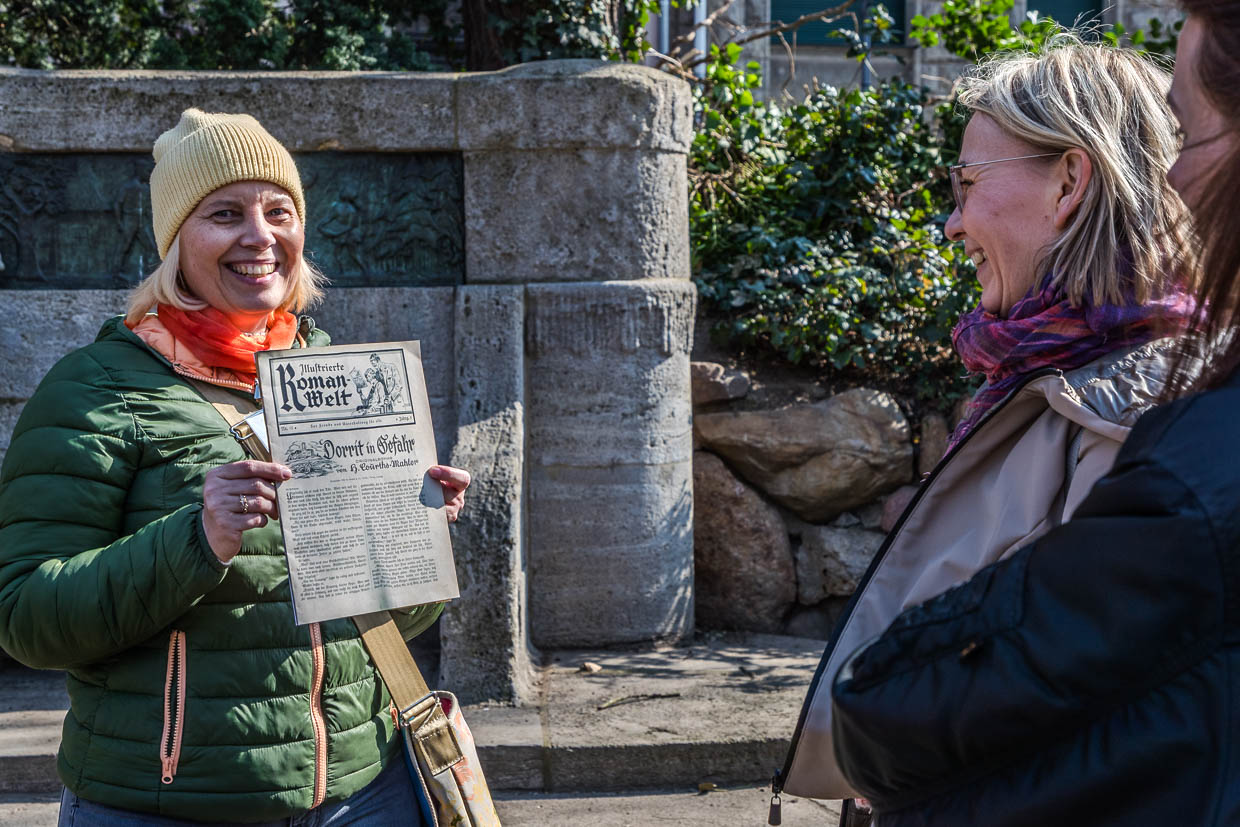
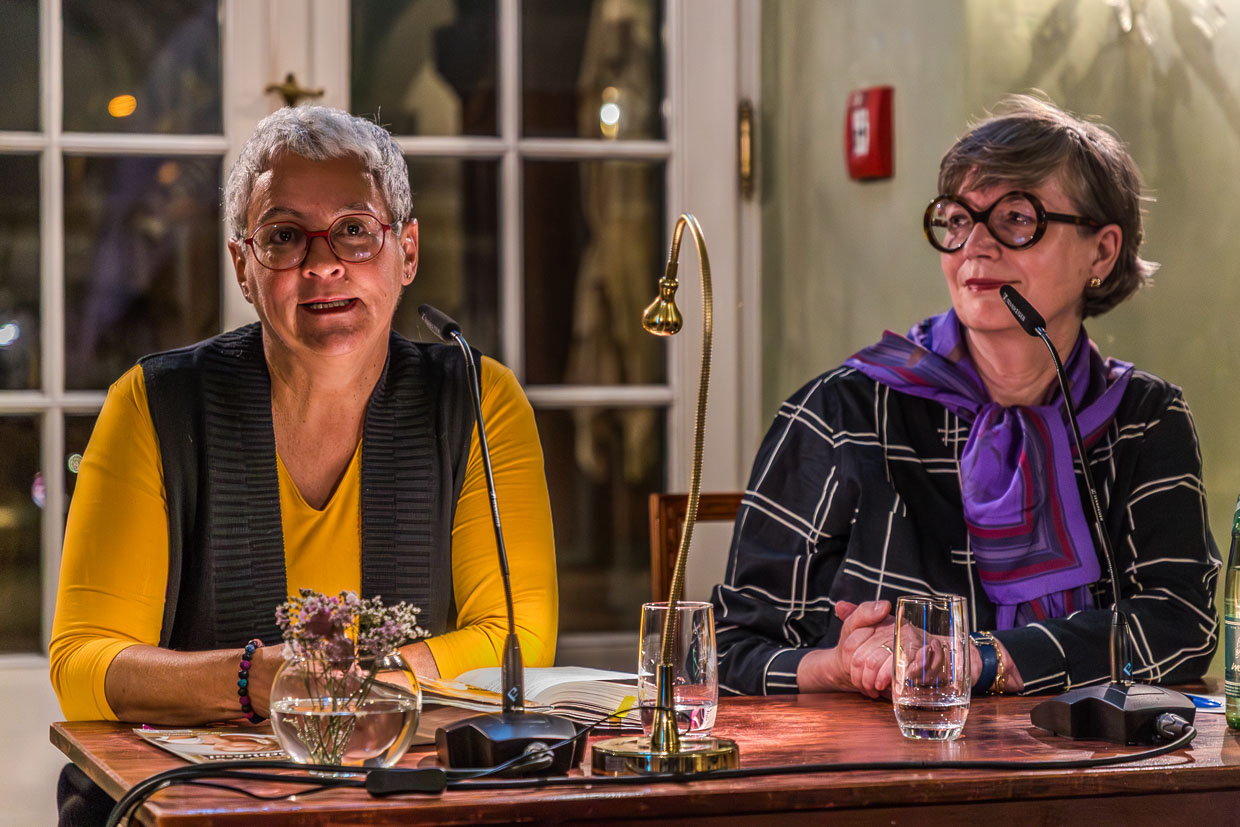
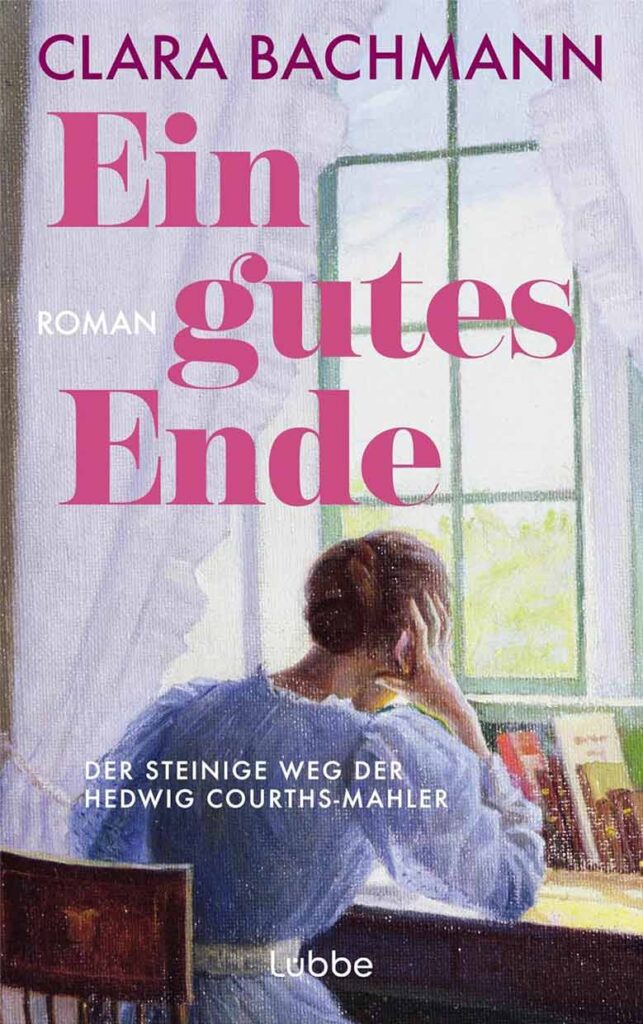
Leipzig is celebrating the book fair and the city is hosting readings in all kinds of places: cafés, museums, pubs. I’m sitting in the Gohliser Schlösschen. A biography of Hedwig Courths-Mahler has been published, written by two women under the pseudonym Clara Bachmann. Mona Gabriel, author and editor from Leipzig, represents the duo. The idea for the book came about during a city tour about women who write in Leipzig – the very tour I was on that day. Hedwig Courths-Mahler is one of the impressive women who wrote theatre plays, fairy tales, cookery books and novels. None of them was as successful as she was, yet there is no trace of them in Leipzig’s cityscape. Instead of memorial plaques and busts, tour guide Daniela Neumann only shows laminated colour copies. Women without a monument – once again. At least there is a reading and a novel about Hedwig’s life as part of the book fair – about the arduous years from the age of 14 to 39, until she was finally allowed to work at a desk.
A life like in a novel and vice versa
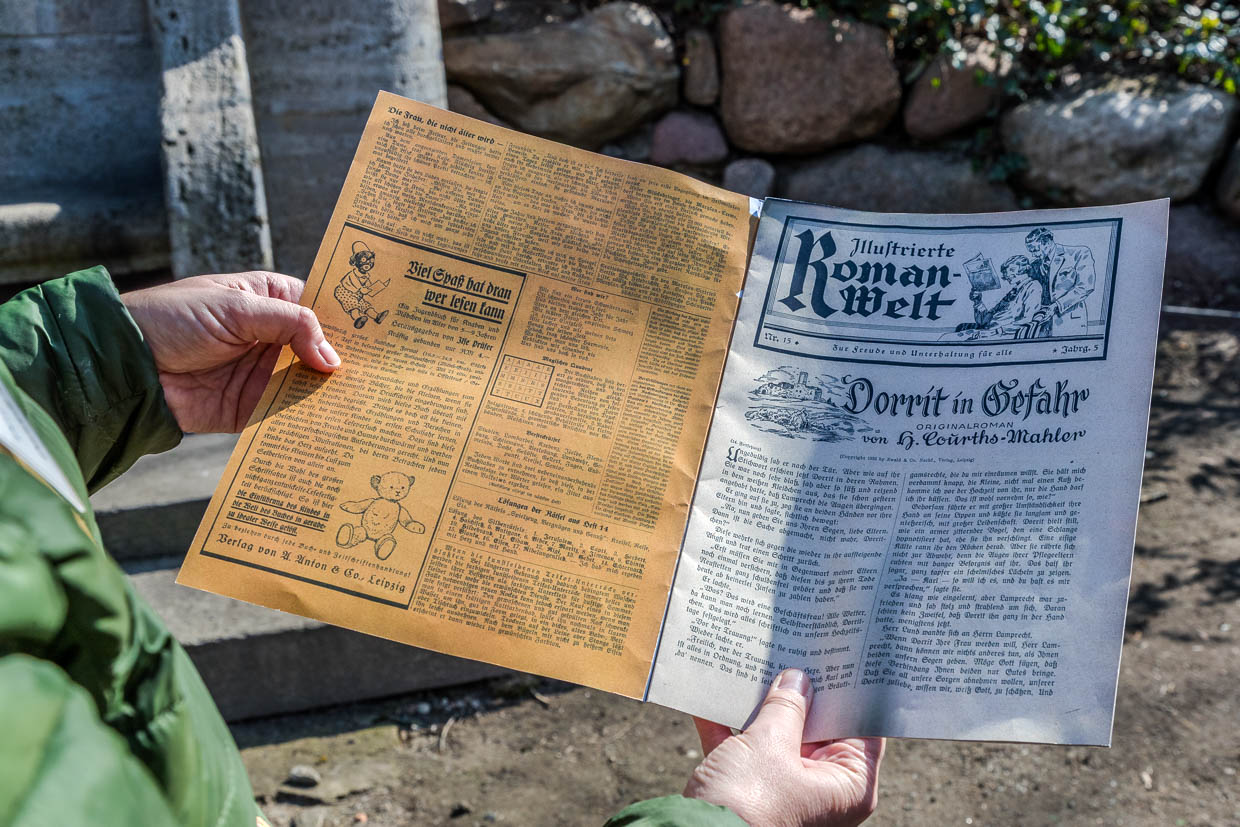
Hedwig Courths-Mahler was born on 18 February 1867 in Nebra an der Unstrut as an illegitimate child. Her father died before she was born and her stepfather wanted nothing to do with her. This was followed by foster care and only three years of school. At the age of twelve, her mother brought her to Leipzig – not out of longing, but out of calculation. Henriette Mahler was now a single mother with three children and ran a lunch table for students. Hedwig kept the soup kitchen running, while her mother cultivated various male acquaintances. Hedwig wanted to escape this milieu and at the age of 14 sought a job as a maid and reader for Mrs Rumschöttel, who had gout. It was there that she first discovered the Gartenlaube, the most popular entertainment magazine of the time, and the romance novels of Eugenie Marlitt – and thus a profession that she herself would take up: writing.
A good end to a rocky road
Mona Gabriel begins the reading from Ein gutes Ende. Der steinige Weg der Hedwig Courths-Mahler with the episode in which Hedwig reads a serialised novel from the Gartenlaube to old Mrs Rumschöttel, eagerly awaiting the next issue week after week, secretly begins writing, Mrs Rumschöttel discovers her nocturnal attempts at writing and demands that the story she has written be read aloud. To Hedwig’s surprise, the old woman only had one criticism: she insisted on a Viennese ending. Not only Hedwig, but also the audience learns here: the Viennese ending was a decree of Emperor Joseph II. His people were not to be depressed with tragedies in the Burgtheater. Romeo and Juliet stayed alive – happy ending, happy people! The Viennese ending really did exist. So did Mrs Rumschöttel, but was she really the early mentor who moulded Hedwig’s penchant for happy endings?

Mona Gabriel emphasises that she and her colleague sought a balance between reality and fiction. They researched thoroughly, using a biography, a book by one of Hedwig’s daughters and contemporary documents from the German National Library. They filled in the gaps with fiction, always close to the spirit of the times and customs. The authors accompany Hedwig Courths-Mahler through Leipzig, Halle and Chemnitz, through poverty and financial hardship, through a marriage to the decorative painter Fritz Courths, who strictly rejected his wife’s writing, through two pregnancies and through the tenacious, secret clinging to a dream that those around her at best ridiculed.
Mona Gabriel and her colleague impressively show the circumstances from which Hedwig Courths-Mahler emerged as a writer and the resistance she fought against. They show a woman who used every space she had to write. Mona Gabriel was deeply impressed by Hedwig’s will to write. After a long day full of housework and bringing up children, she often only had the nights left. Her writing time was always stolen time.

The near fame
The author duo Clara Bachmann did not have to invent a Viennese ending, because Hedwig Courths-Mahler herself brought about the change for the better. Her phenomenal success remains a marginal note in the book. The novel ends before the great triumph begins. Perhaps this decision to tell the story before the fame is a clever feminist statement: it is not the triumph that takes centre stage, but the arduous path to it.
The formula for happiness
Hedwig Courths-Mahler followed a formula throughout her life: Socially disadvantaged people overcome class differences through love, fight for happiness and dignity, find the right thing in the end. She herself called her books “fairy tales for adults”. Her declared ideal was to write “how life should actually be”. And she did this with consistency. She wrote for people who didn’t have time to read Thomas Mann or Hermann Hesse . She wrote for factory workers who read a few pages after a ten-hour shift in the woollen mill. For housewives who dreamed of a life as it should actually be.
Just chatter, Mr Scheck? *
Bertolt Brecht, a contemporary of Hedwig Courths-Mahler and certainly not a naive reader, called her a “great realist”. By this he did not mean style or ambition in the sense of literary criticism, but the social function of her texts: she reflected the longings of a public that ignored high literature. It is no coincidence that this contempt remained so persistent. It follows a pattern that the literary scholar Nicole Seifert describes in her non-fiction book Frauenliteratur. Devalued. Forgotten, Rediscovered. What women read is called trivial literature. What women write is called trivial literature. What women like doesn’t count.
*Note: Denis Scheck is a German literary critic who, in his TV programme “druckfrisch”, classified the new book by a well-known German author as “chatter from the ladies’ room”. Done not sometime, but in March 2026!
The fact that the two authors hide behind Clara Bachmann is a fitting gesture with historical role models: Whether George Sand, the Brontë sisters or Colette – women writers often had to hide behind male or gender-neutral names in order to be taken seriously. Mona Gabriel and her colleague do the opposite: they invent a woman as a pseudonym for a book about a woman who struggled all her life to be recognised as a writer.
The research was supported by Tourismus Marketing Gesellschaft Sachsen


