
What all the monuments of this world have in common is their contribution to education. Without them, we would all return from a trip a little less educated. So there are enough reasons to compile a small selection on the occasion of the International Monument Day, which is celebrated every year on April 18. There are monuments that were created by nature and are revered by man as monuments. Some of them reach the status of a deity. For example, Mount Fuji in Japan. Fuji usually hides behind a veil of clouds and is therefore revered as a shy goddess in Japan.

A whole museum for a mountain
The city of Fujinomiya is even home to the Mount Fuji World Heritage Centre. The city is located at the foot of Mount Fuji in Shizuoka Prefecture. Fujinomiya is the city closest to the Bright Mountain of Japan. Only in a short window of time in the summer months is it possible to climb to the top of the 3,776 meter high and holy mountain of Japan. in all other months a visit to the museum remains.

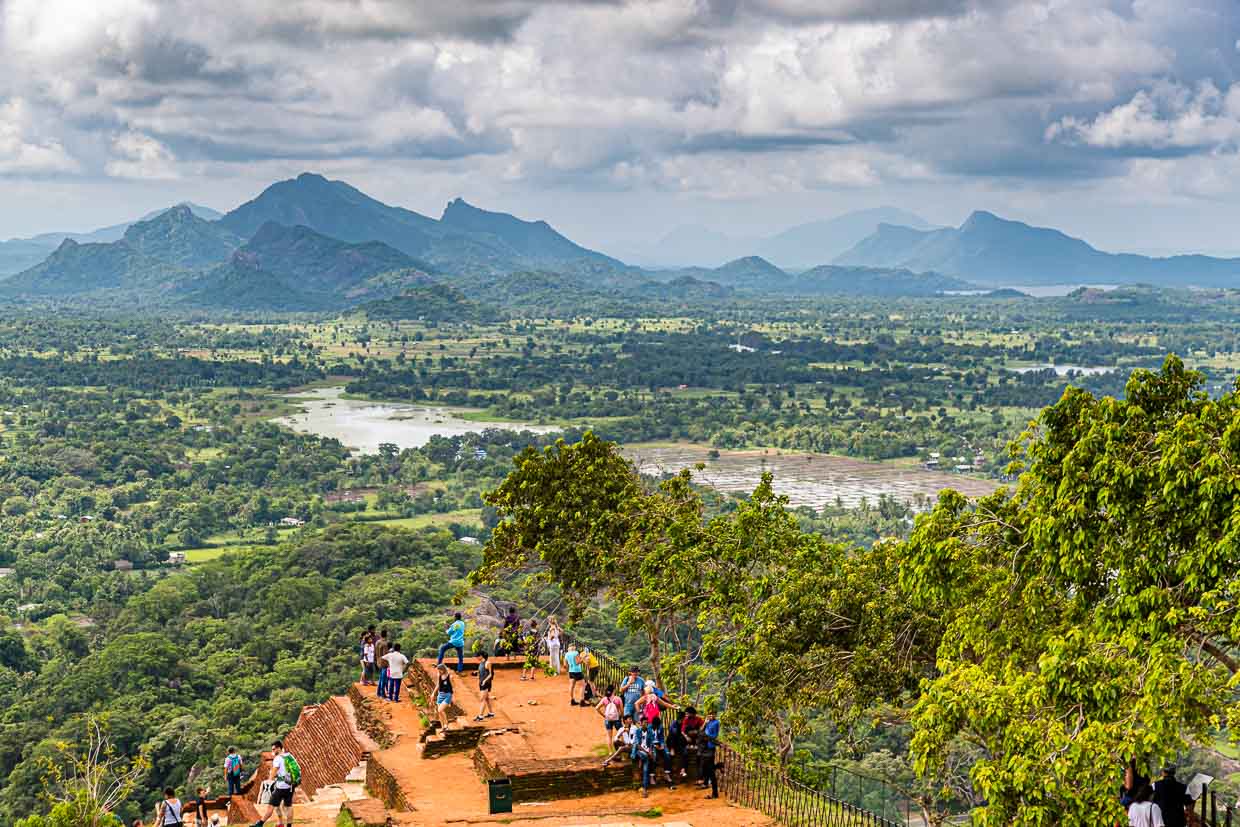
The rock fortress of Sigiriya in Sri Lanka is a UNESCO World Heritage Site. If you interpret the historical graffiti lying on the megaliths at the ascent correctly, it is probably one of the world’s oldest tourist attractions. After a steep and quite arduous climb, one is rewarded with a breathtaking view down from the rock fortress across the rice fields to a mountain range.
We encounter monuments everywhere – when travelling, in the city, in the country, in museums. But what makes a monument? Who decides what we remember? No journey without a monument opens up a journey through the diversity of what people put on pedestals. In the city, the monuments crowd together: Denkmal und Stadt shows how you can walk past a monument in Bamberg – and still become wiser. In the countryside, on the other hand, a single monument draws you in from afar: Denkmal auf dem Land tells of the quiet magic of such places. Nature and Monument asks what happens when nature reclaims the monument. Where art and monument merge, the path leads to Kassel: Denkmal und Kunst looks at the documenta city. And who is a monument themselves? Everyone is a monument – so claims a red sandstone pedestal in Kassel, on which “ICH” is written in large letters. Finally, Paris is rethinking the monument: whoever restores a forgotten, listed grave in Père Lachaise is then allowed to lie beneath it – Monument Seeks Heirs tells of a lottery procedure that combines monument protection and eternity.