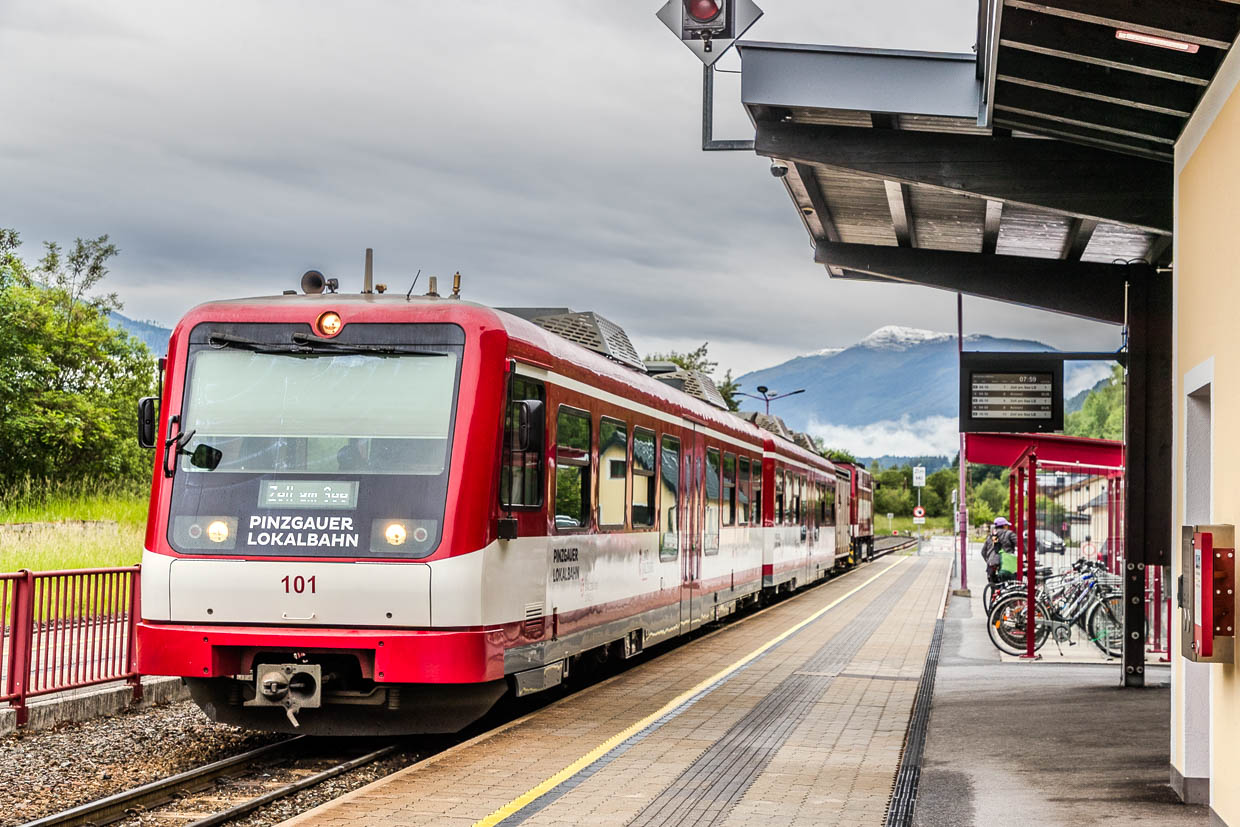
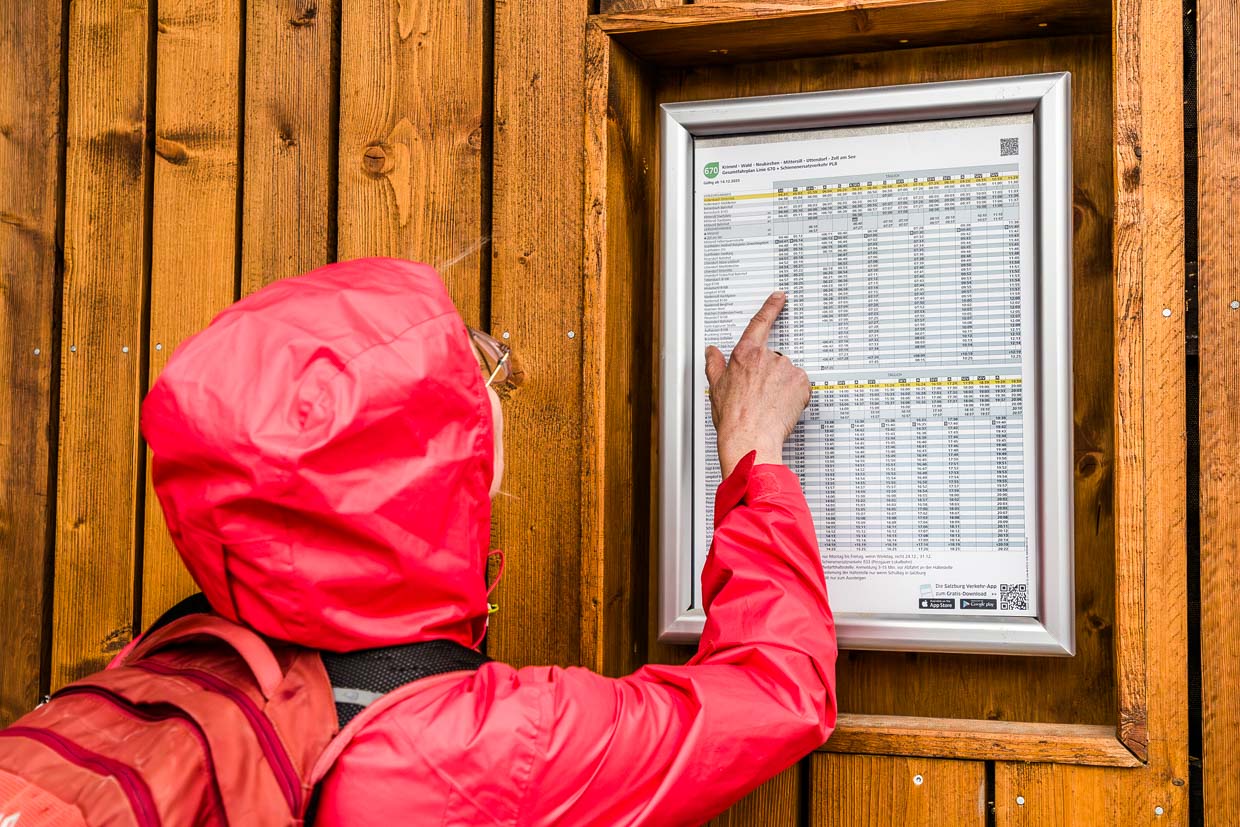
The train leaves Cologne shortly after seven. Just one change separates the Rhinelander from the Salzach Valley, the gateway to one of Central Europe’s largest wilderness regions. The long-distance train takes us to Salzburg, from where we continue on the local railway through the Pinzgau. From the Salzburg state border onwards, the Guest Mobility Ticket comes into effect. Since May 2025, overnight guests have been able to travel free of charge by bus, train and local railway throughout the entire state. The scheme is funded by a mobility contribution of fifty cents per night, which is added to the overnight stay tax. So it’s not quite free, but almost. In doing so, the SalzburgerLand is setting new standards amongst Austria’s federal states.
The idea behind it is simple: no mode of transport has a greater impact on the environment on the journey to the Alps than the car. Those who switch to buses and trains instead not only help protect nature, but also save money on their travel costs and relieve pressure on the narrow valley roads. Fewer cars mean less congestion. Ultimately, this benefits everyone, not just holidaymakers.
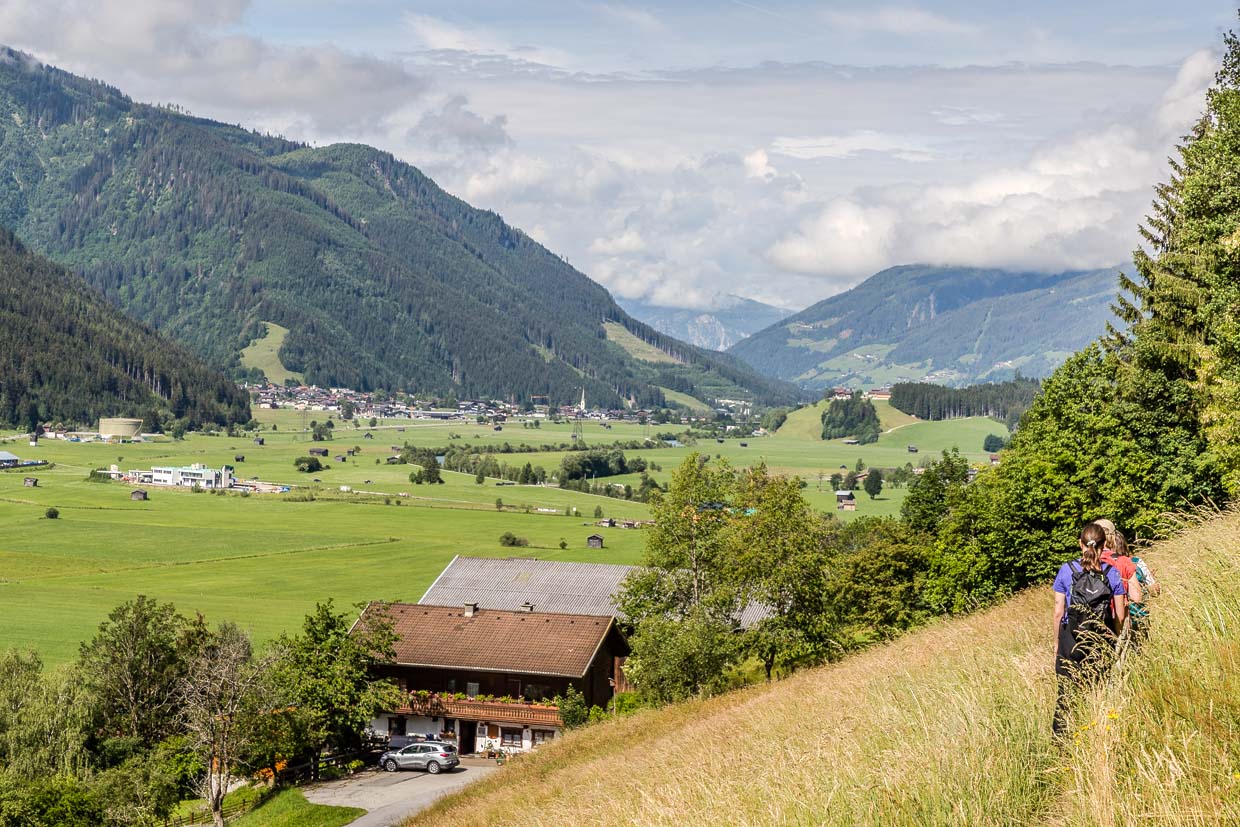
The destination of our journey is the Hohe Tauern National Park holiday region, with Mittersill right at its heart. The village lies on the lower reaches of the Salzach and is one of nineteen municipalities in the region. From here, paths lead into the 13 valleys that make up the national park. This extensive valley system can hardly be explored in a single trip. Mittersill is a good starting point for hiking or cycling tours.
One park, three states, a long journey
The history of the Hohe Tauern National Park is a story of compromise. In 1971, the governors of Salzburg, Carinthia and Tyrol signed a memorandum of understanding in Heiligenblut. It was the first time the three federal states had joined forces, but it took ten years of tough negotiations over the energy sector and tourism before protected status was achieved. Carinthia took the lead in 1981, followed by Salzburg in 1984, with Tyrol joining in 1991. This is how the largest protected area in the Alps and Central Europe came into being: 1,856 square kilometres, spread across three federal states, ranging from 1,000 metres above sea level up to the Großglockner at 3,798 metres.
Itinerary subject to weather conditions
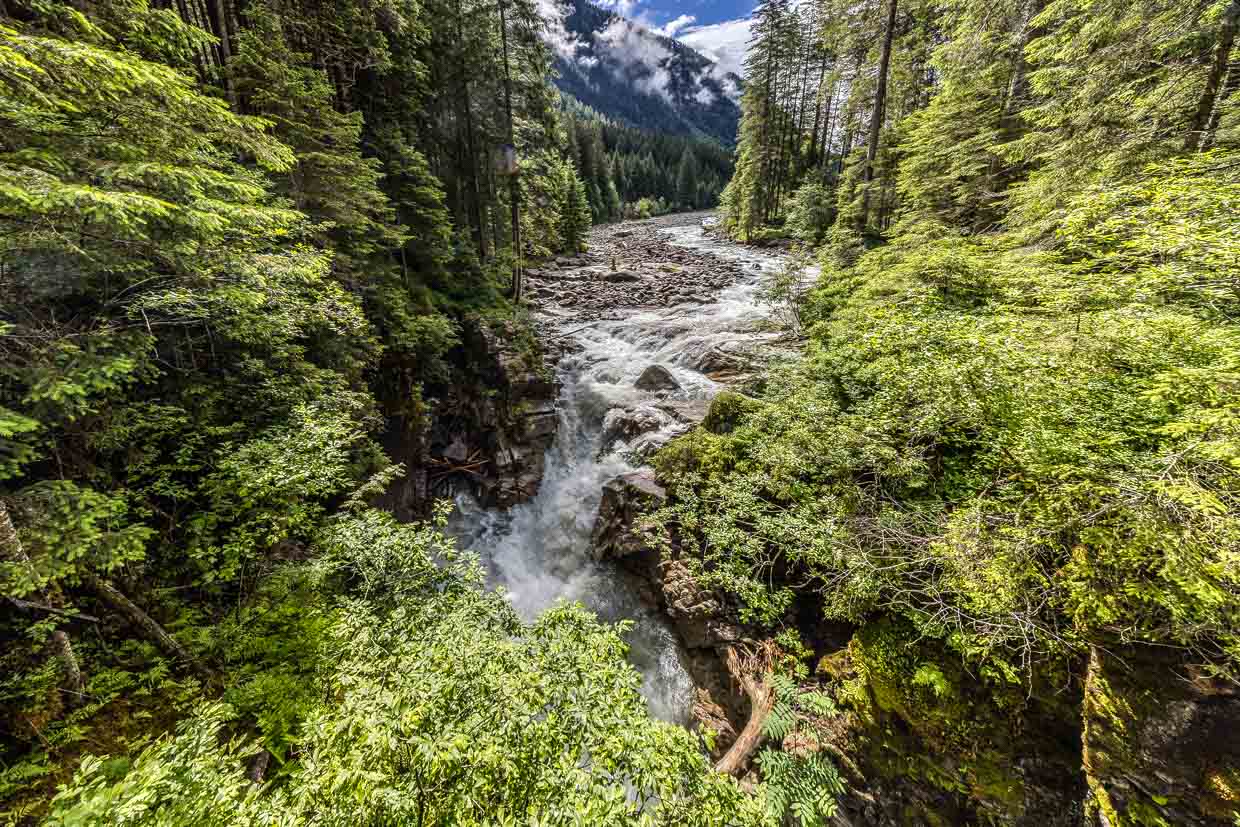
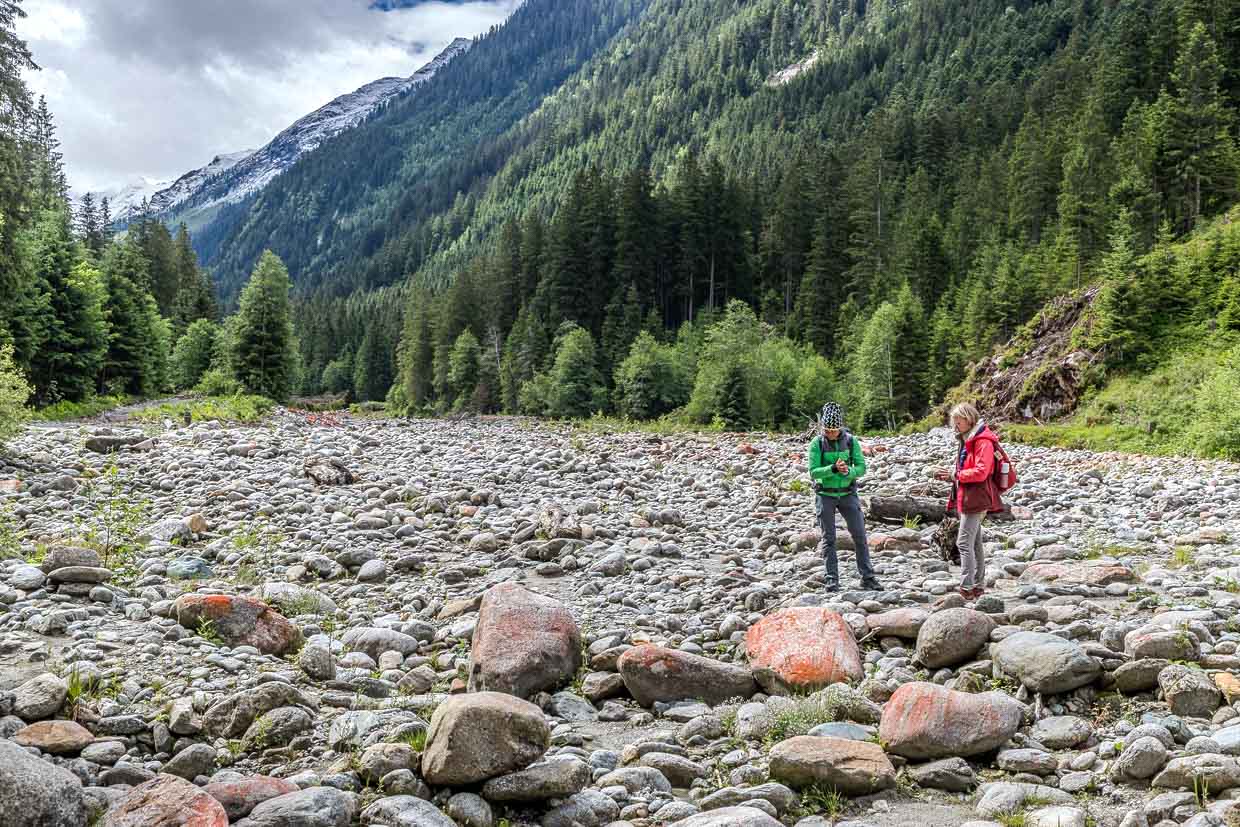
The 13 valleys offer flexibility: if it’s raining in one, the sun might be shining two mountain ridges away. On fine days, the choice is overwhelming. The Krimml Waterfalls plunge down into the valley in three stages. The Venedigerweg trail leads through the Obersulzbachtal valley with views of the Großvenediger. The Kitzlochklamm gorge near Taxenbach entices visitors with a via ferrata, whilst the Graukogel offers peaceful walks amongst ancient Swiss stone pines. The Rauris primeval forest reveals a mountain woodland that has remained untouched for generations. The herb garden in Hollersbach is dedicated to plants growing amongst the rocks, and at the Hochfeld exhibition mine, visitors can immerse themselves in the history of mining. The Hohe Tauern Bike Trail has been in existence since 2026. The national park valleys can be explored across 14 stages.
From May to October, the National Park Summer Card offers one of around 60 services free of charge every day: from museums and mountain railways to the toll road at Kolm-Saigurn. The card is only available at participating accommodation providers and is handed out at check-in. If you want to be sure, ask before booking or opt for the SalzburgerLand Card, which is subject to a fee.
The Tauern Window: A glimpse into the Earth’s history
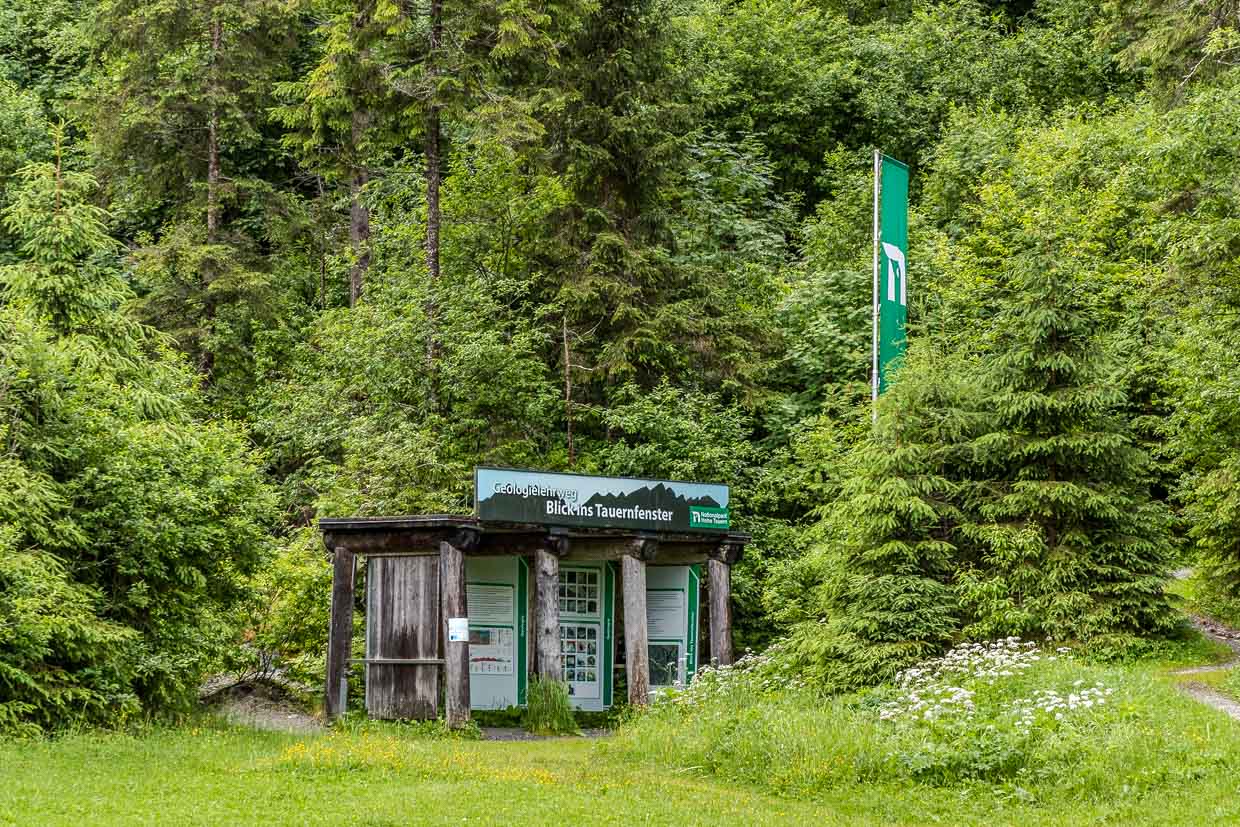
In the Hohe Tauern, you’re walking on geologically unique terrain. The highest peaks consist of rock that lies deep underground elsewhere in the Alps. 100 million years ago, the African Plate collided with the Eurasian Plate, forcing older rock layers upwards. Today, the Tauern Window lies exposed here. It is a 160-kilometre-long strip stretching from the Brenner to the Katschberg, at the centre of which stand four massive gneiss cores, including that of the Großvenediger. Experts describe it as a geological sensation. For non-specialists, it is enough to realise that anyone who climbs here is ascending through the Earth’s history.
From Mittersill to everywhere
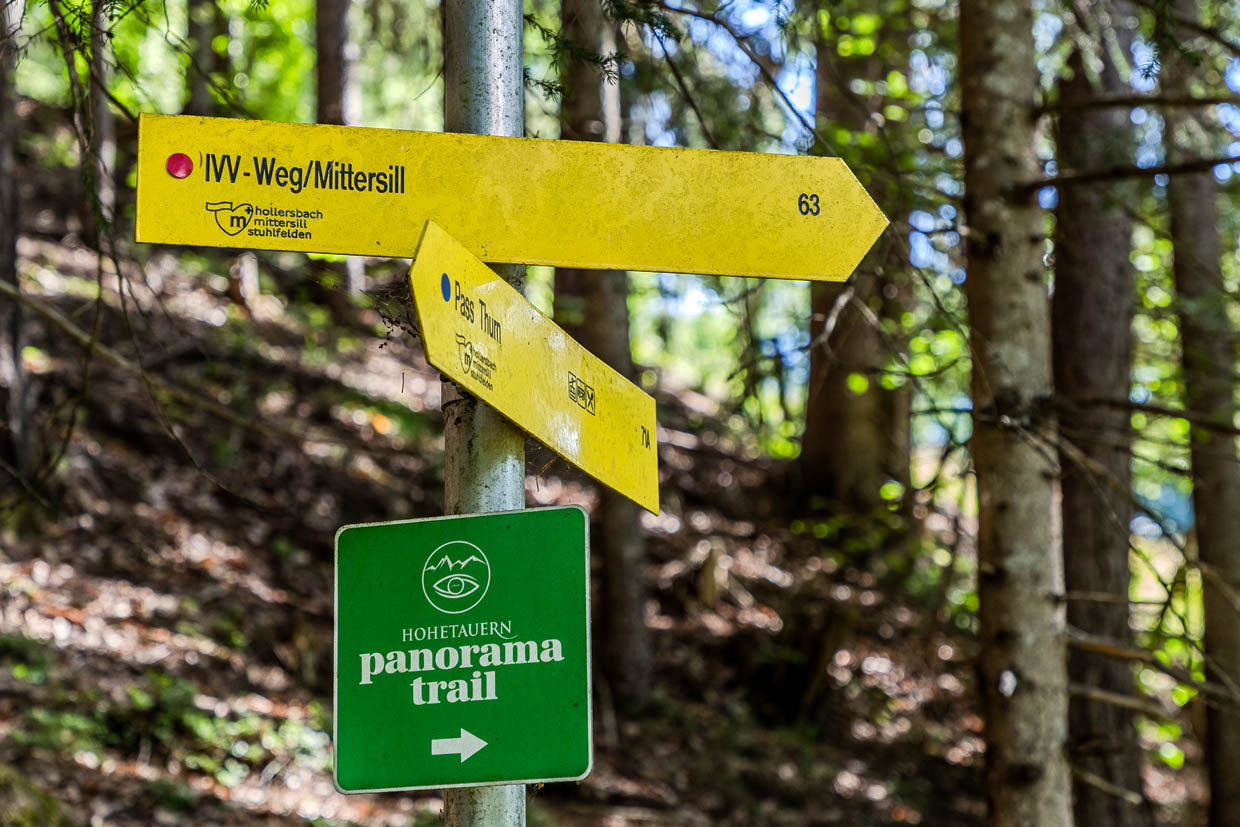
The Panoramic Trail from Mittersill to Hollersbach runs above the Salzach, offering views of the opposite side of the valley and the first foothills of the national park. It’s not a spectacular trail, but it’s a peaceful start to take in the vastness of the valley. The region’s leisure opportunities are endless. Often, opportunities to learn about nature are playfully incorporated along the way. In Hollersbach, there is the outdoor exhibition ‘Ecological Footprint’ – a maze with information stations on the topics of mobility, nutrition, housing and consumption.
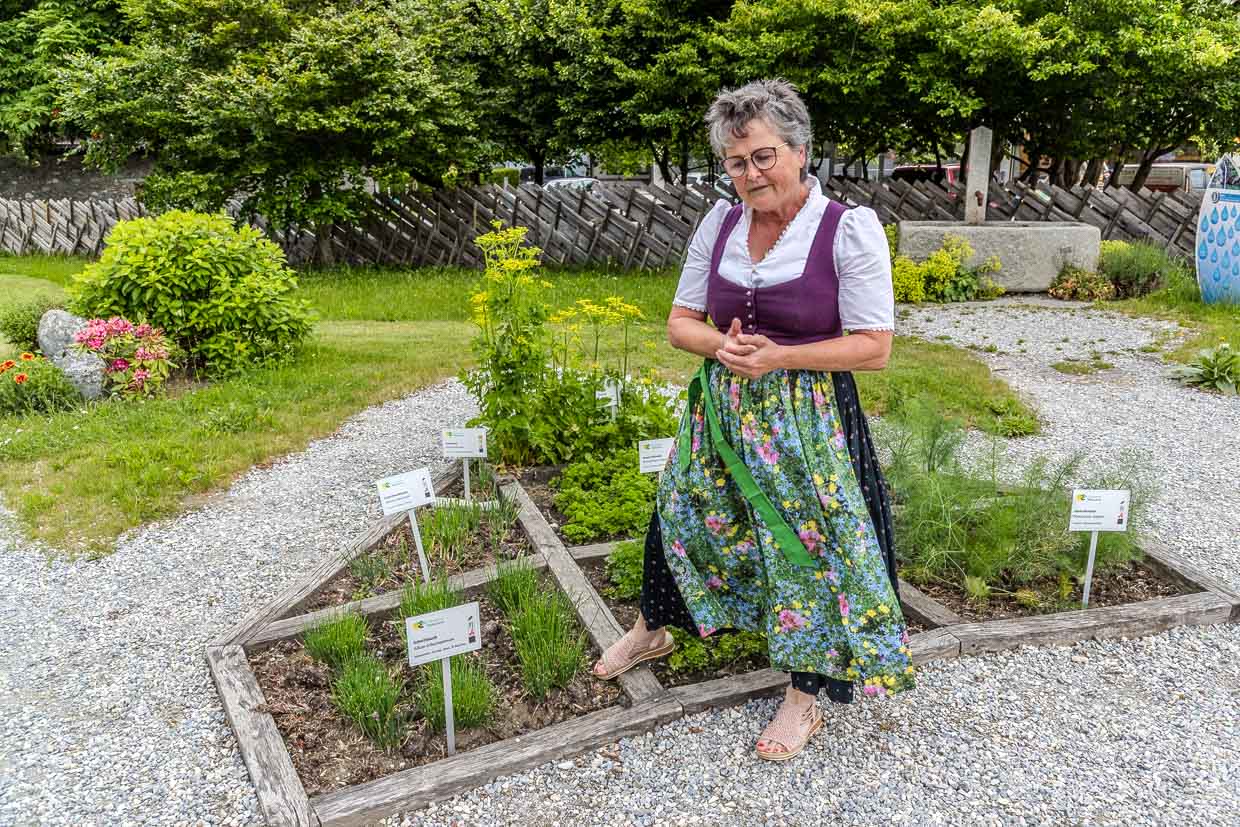
Hollersbach Herb Garden
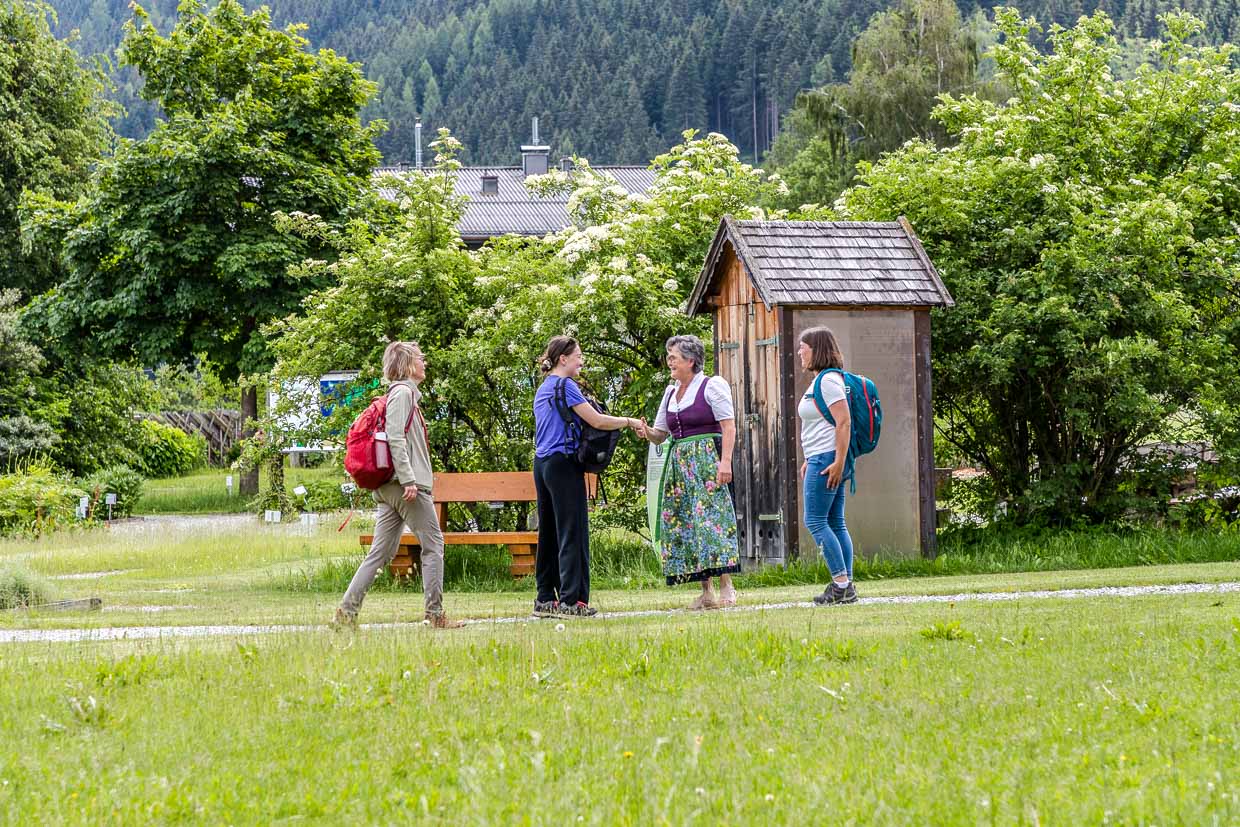
Hollersbach is home to a sprawling educational herb garden, which organic farmer Andrea Rieder looks after with the help of a local association. Over 500 plant species grow across 8,000 square metres, categorised into mountain, aquatic, woodland and meadow herbs. Andrea Rieder knows every plant, explains their effects and the risks of mistaking one for another, and turns a stroll into an entertaining lesson in botany. Her message is very clear: we should all incorporate more herbs into our daily lives; whether it’s daisies or chives, every little herb helps, she says. During the weekly guided tour, which sets off from the Klausnerhaus on Tuesdays, participants make their own herb-infused vinegar. Those looking for more will find home-made teas and salts in the farm shop: souvenirs that won’t gather dust in a cupboard, but will remind us of our holiday when we’re back home.
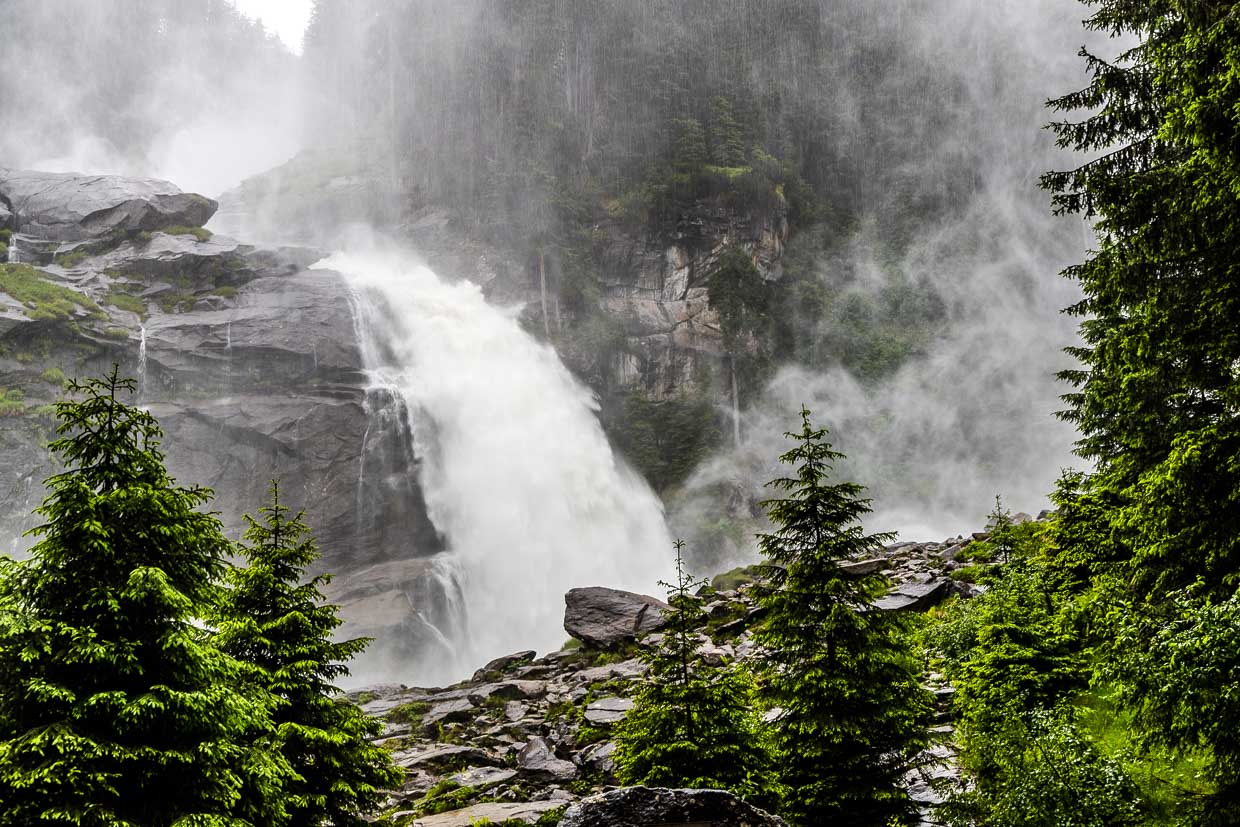
Krimml Waterfalls and Water Worlds
At 380 metres in height, the Krimml Waterfalls are the highest in Austria and rank among the largest in Europe. A four-kilometre trail maintained by the Alpine Club takes you right up close, with viewing points along the route. You can hear the roar from a distance; the spray reaches even the most remote sections. At the foot of the falls, the Water Museum provides information about the power and origin of the water – less spectacular, but educational.
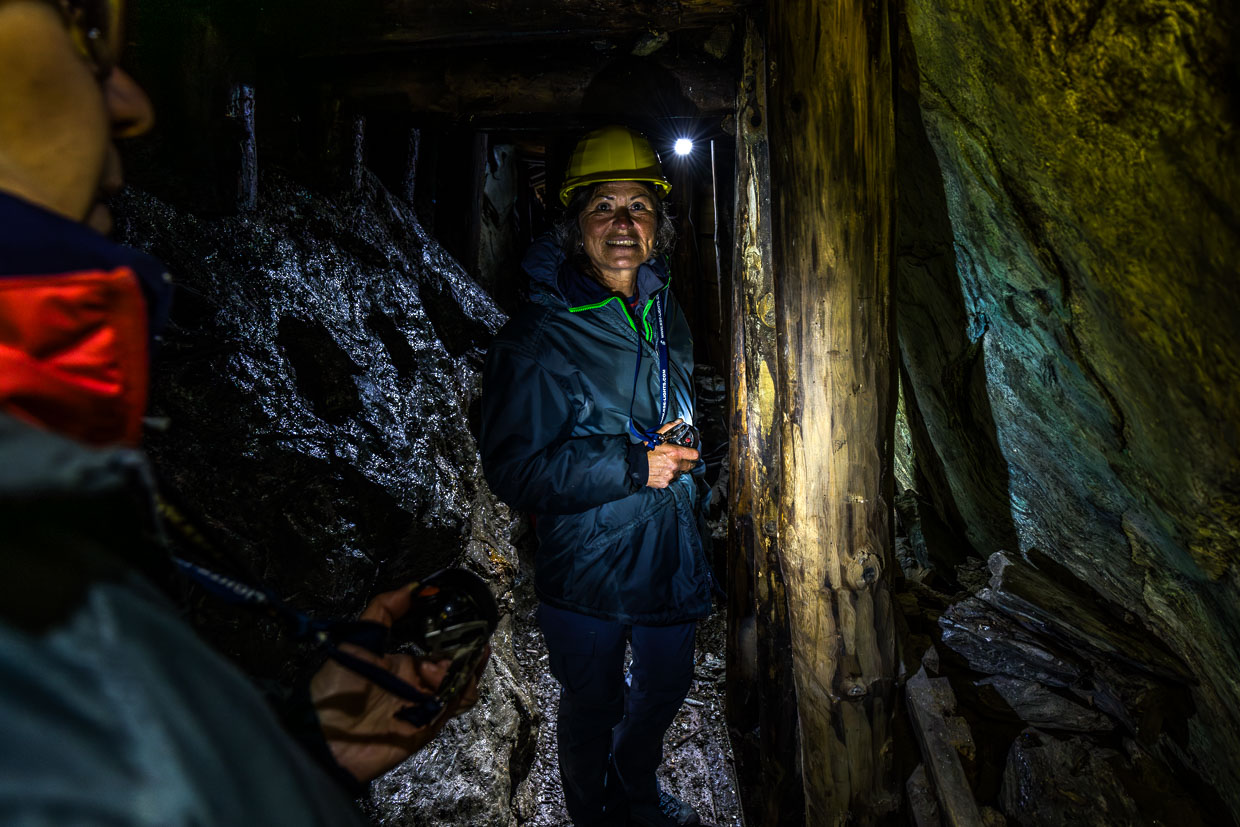
Hochfeld Exhibition Mine
The Hochfeld Show Mine showcases the valley’s mining history. Visitors can only explore the adit as part of guided tours, which take place twice daily during the summer season between July and September. National Park rangers lead the groups around one kilometre deep into the adit, vividly recounting the arduous work of the miners and their lives at the mine.
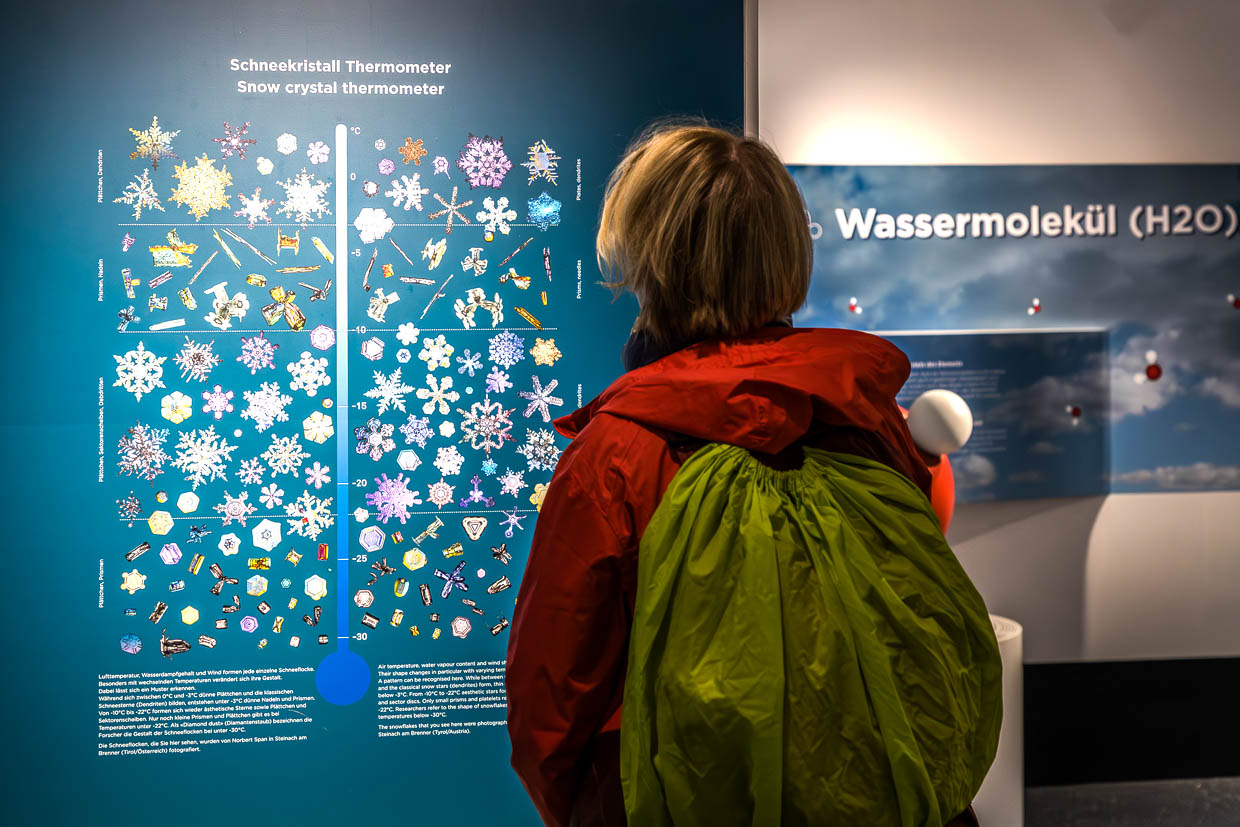
National Park Worlds: the mountains under one roof
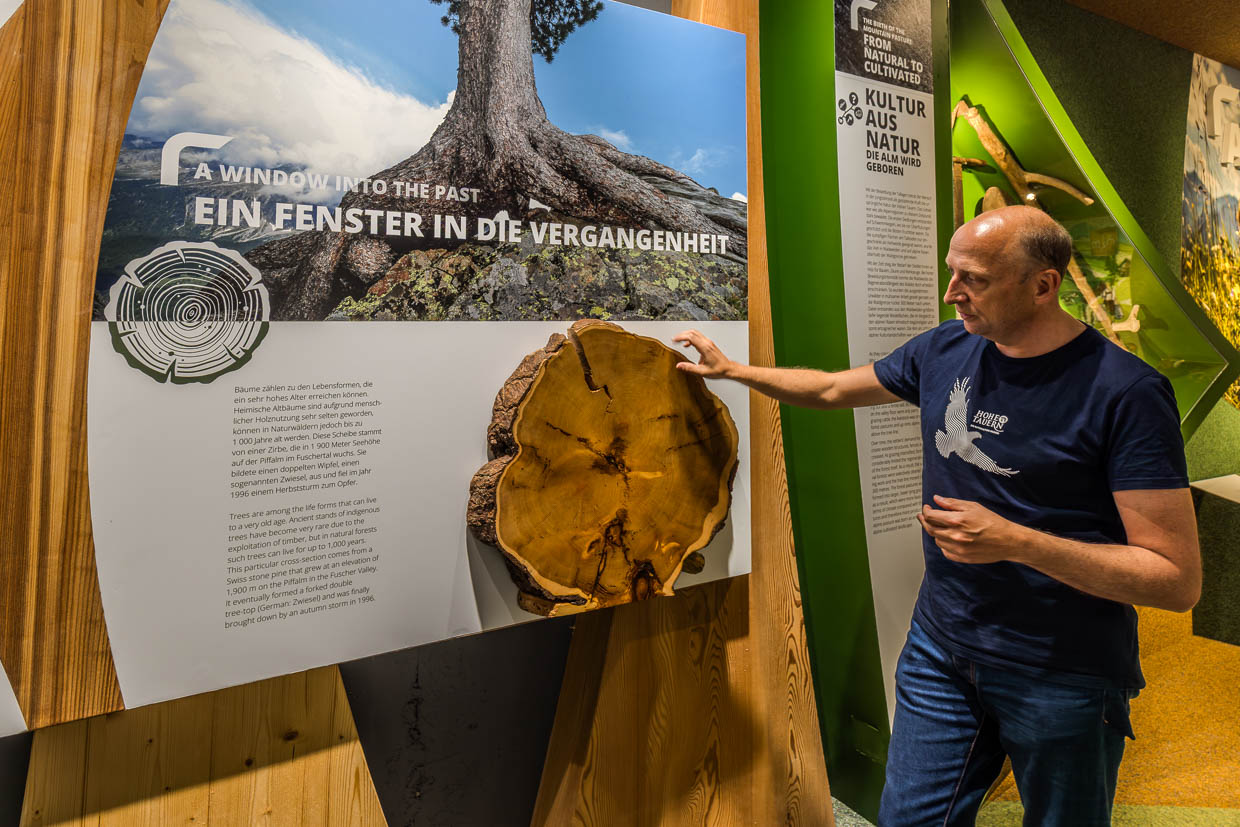
The ‘National Park Worlds’ interactive exhibition in Mittersill brings the mountains under one roof across 1,800 square metres and ten themed rooms. The tour begins at the peaks: drone footage and a mini-camera transport visitors into the flight of a golden eagle. The journey continues through themed worlds such as glaciers, the water realm and the mountain forest. A room with wooden reclining benches smells of the forest, children crawl through a marmot burrow, and a 360-degree panoramic cinema shows mountains, glaciers and alpine pastures.
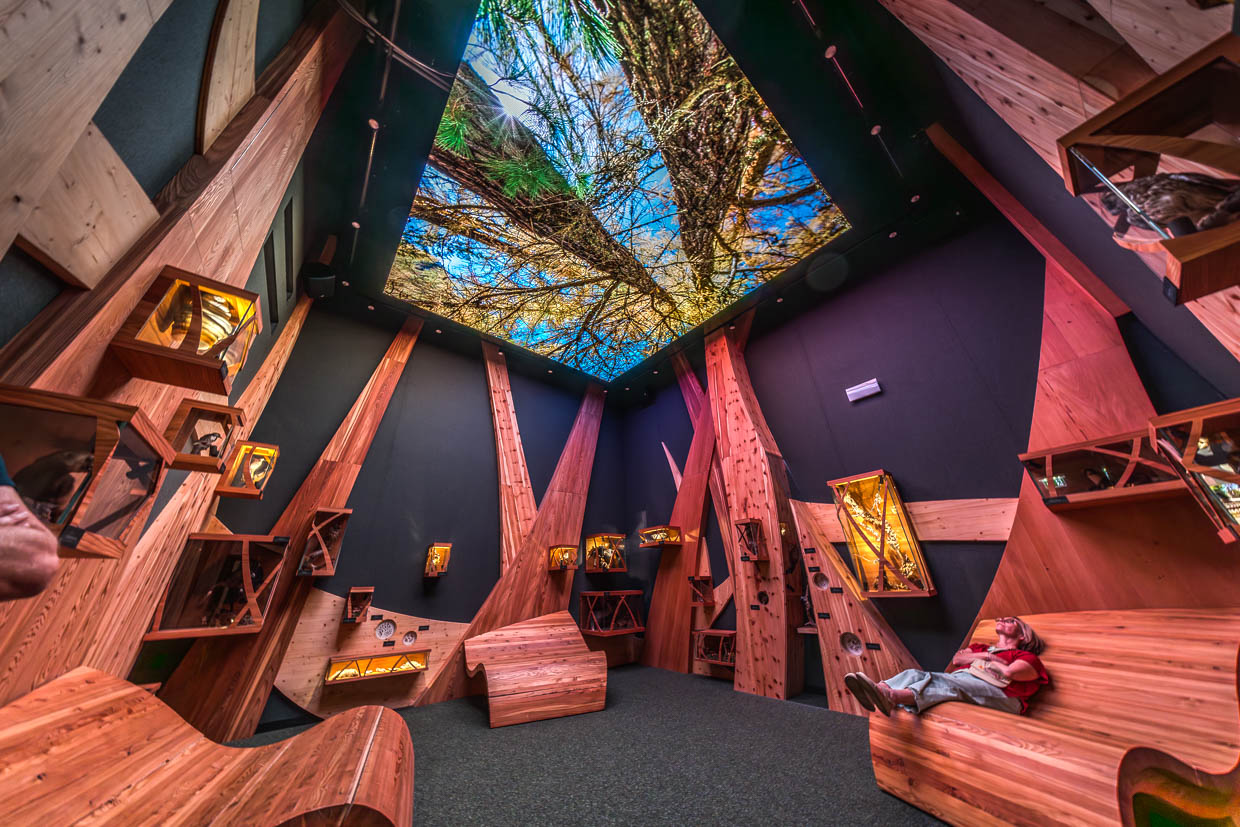
“We want to showcase the diversity of nature and encourage people to treat it with care,” says Roland Rauch, managing director of the Hohe Tauern National Park Holiday Region. A museum is no substitute for a day out in the countryside, but it works brilliantly as an introduction or a bad-weather activity – precisely because it focuses on interaction rather than display cases.
Conclusion: one trip isn’t enough
Thirteen valleys cannot be explored in a single trip. Those who return will choose new destinations, new waterfalls and new gorges. The Hohe Tauern National Park is designed to be revisited. Nature conservation here is not an afterthought, but the very foundation: without the provincial laws of 1981, 1984 and 1991, neither the primeval forest nor the waterfalls would be in their current condition.
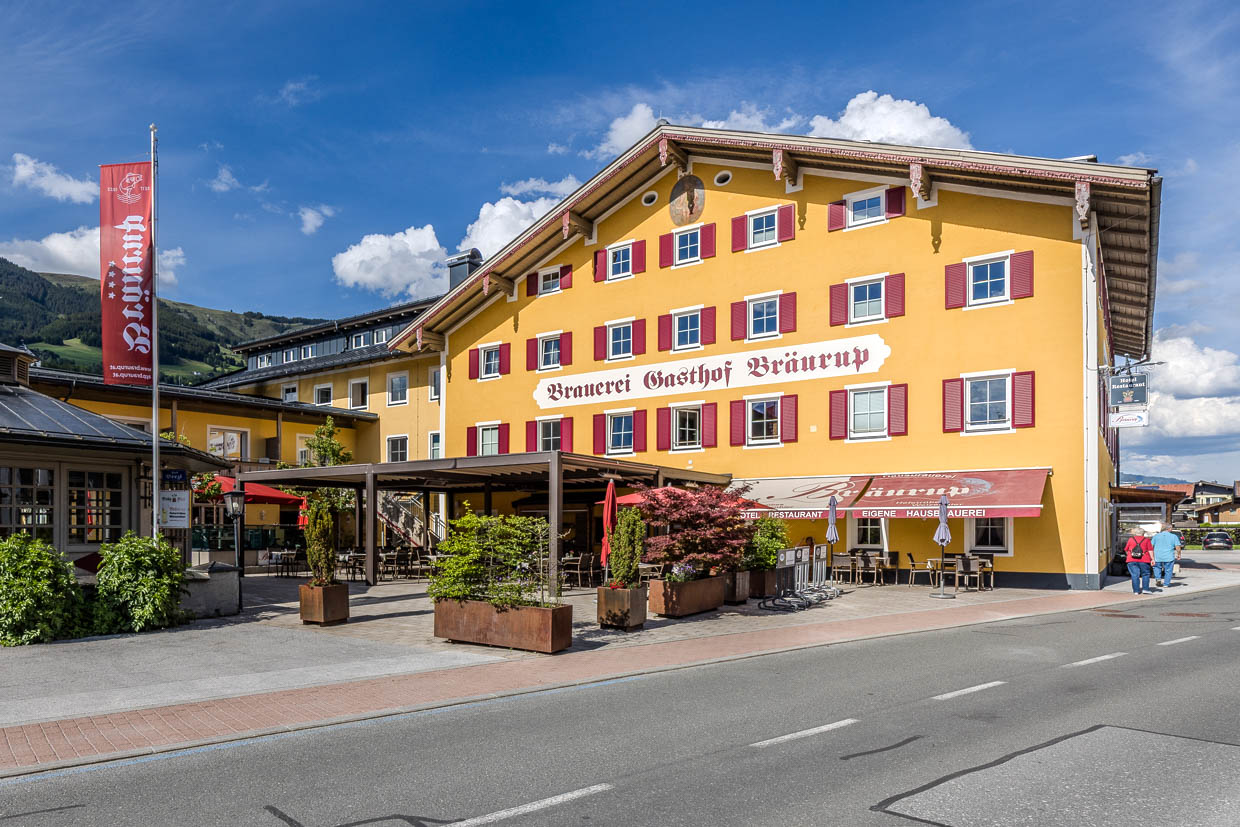
The Hotel Bräurup in Mittersill is centrally located enough for day trips in both directions along the valley, even without a car. Buses and local rail services run regularly, making travelling by train a practical option.
Stories from Salzburg
Several times a week, the Baroque Hall hosts the Mozart Dinner at St Peter’s Stiftskuliarium, which is very popular with tourists and always concludes with the classic dessert, Salzburger Nockerln. Find out more about this and other specialities in the feature ‘Sweet Salzburg’. The article ‘A City Walk with Mozart’ reveals the mark Mozart left on his home city of Salzburg. The Salzburger DomQuartier is breaking new ground and invites visitors to the state rooms of the Residenz for a yoga flow session accompanied by live music by Mozart. A visit to the Augustiner Bräu for a drink and a cool Märzen under the old chestnut trees or in the historic Stockhammer Hall should also be part of any tour of Salzburg.
This research was supported by the Hohe Tauern National Park and SalzburgerLand