
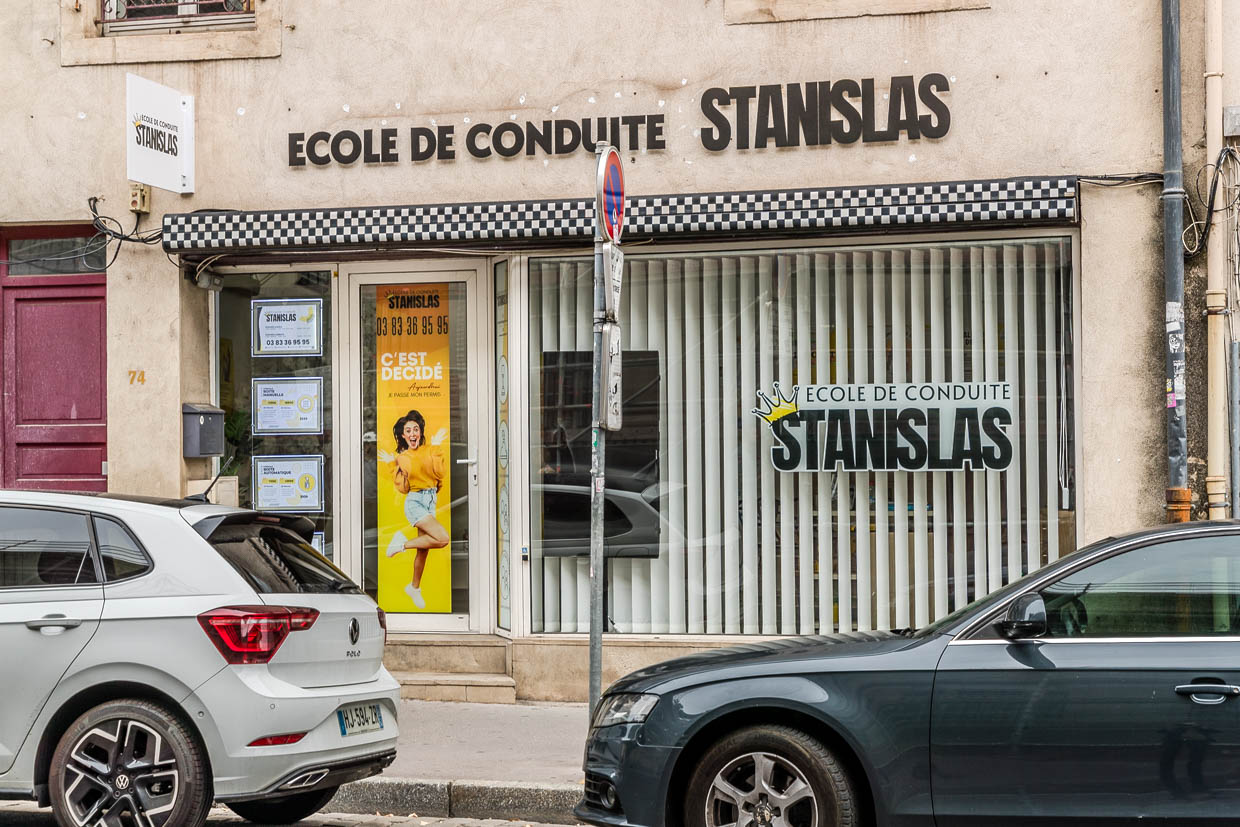
To this day, the people of Nancy revere their king, even though – or perhaps precisely because – he never actually ruled over them. His name adorns bakeries such as Aux Délices de Stan on Rue Stanislas, hotels, a driving school and even a mangle. The famous Bergamote de Nancy sweet is shaped like the square in the city centre that has borne his name since the 19th century. In the tourist information centre’s souvenir shop, you’ll find Stanislas printed in bright screen-print colours on mugs and canvas bags, as if he were a pop star. And in his own way, he actually was.

How a former Polish king captivated Lorraine
The man to whom Nancy pays this tribute was a king without a kingdom and without any wealth of his own. Stanisław Leszczyński ascended the Polish throne twice and lost it just as often, most recently in 1736. From then on, he lived on the generosity of his benefactors. His greatest treasure was his daughter Maria. At the French court at that time, there was an urgent search for a wife for the young King Louis XV, who was already in poor health at the age of fifteen. Should he die without an heir, the throne would pass to a collateral branch of the family. The aim, therefore, was to begin the process of producing an heir as soon as possible, and to this end a sort of ‘casting call’ was organised across the noble houses of Europe. To be considered, a candidate had to be in good health, have received a courtly upbringing, come from a noble family and be aged between twelve and, at most, twenty-five. The Spanish Infanta, originally intended as a bride, was ruled out as she was just five years old. This resulted in a list of 99 candidates, accompanied by portrait sketches, like a courtly catalogue for selecting the next queen.
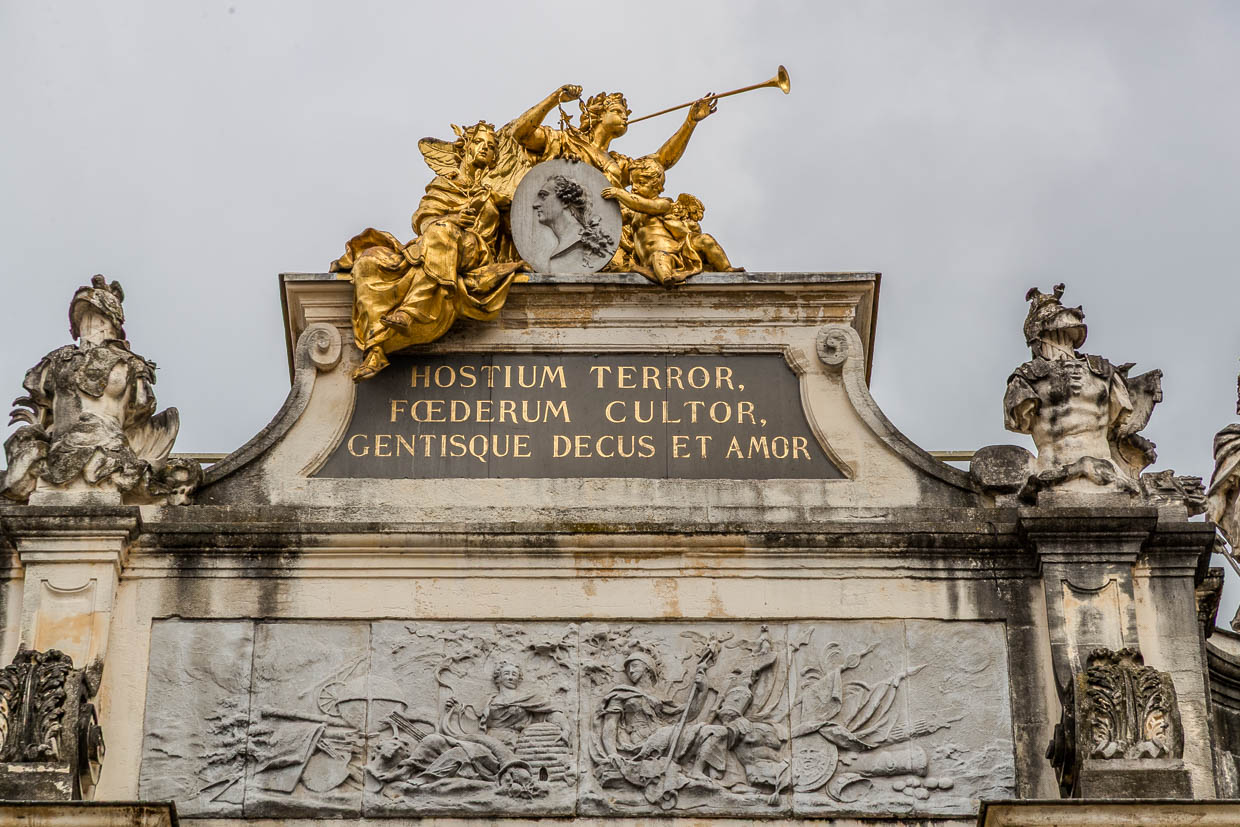
From this vast array of princesses, Louis’s choice fell, of all people, on the penniless Maria, seven years his senior and without a dowry to speak of, but, as it is said, of a pleasant disposition and pretty face. On 4 September 1725, Louis and Maria met for the first time; the following day, on 5 September, they were officially married at the Palace of Fontainebleau. The marriage, which was happy at first, produced ten children. At the French court, where the union was regarded as a mesalliance, the young queen received a cool reception.
From a king without a country to the father of the nation
For Maria’s father, Stanisław Leszczyński, his daughter’s advantageous marriage brought an unexpected turn of events. Just as the search for a princess was underway in Paris, the Austrian Archduchess Maria Theresa had fallen in love with Duke Franz Stephan of Lorraine, and Vienna insisted on his hand in marriage, which left the duchy vacant. Lorraine offered itself as a residence for the former King of Poland, who was granted Lorraine for life, on the condition that the previously independent region would pass to France upon his death. In this way, France limited Austria’s influence on its own border and secured its claim to the territory.
Stanislas held no real administrative power. This lay with a chancellor appointed by Paris, nor did he possess any military authority. In return, however, he received an annual pension of two million livres. The young Louis XV, who, according to reports, did not hold his father-in-law in particularly high regard, is said to have reckoned that the man, whom he regarded as old, would die at the age of sixty anyway. A gross miscalculation. Stanislas lived to the age of 88, and his death, as was later to become apparent, was not a natural one.
A square for two kings
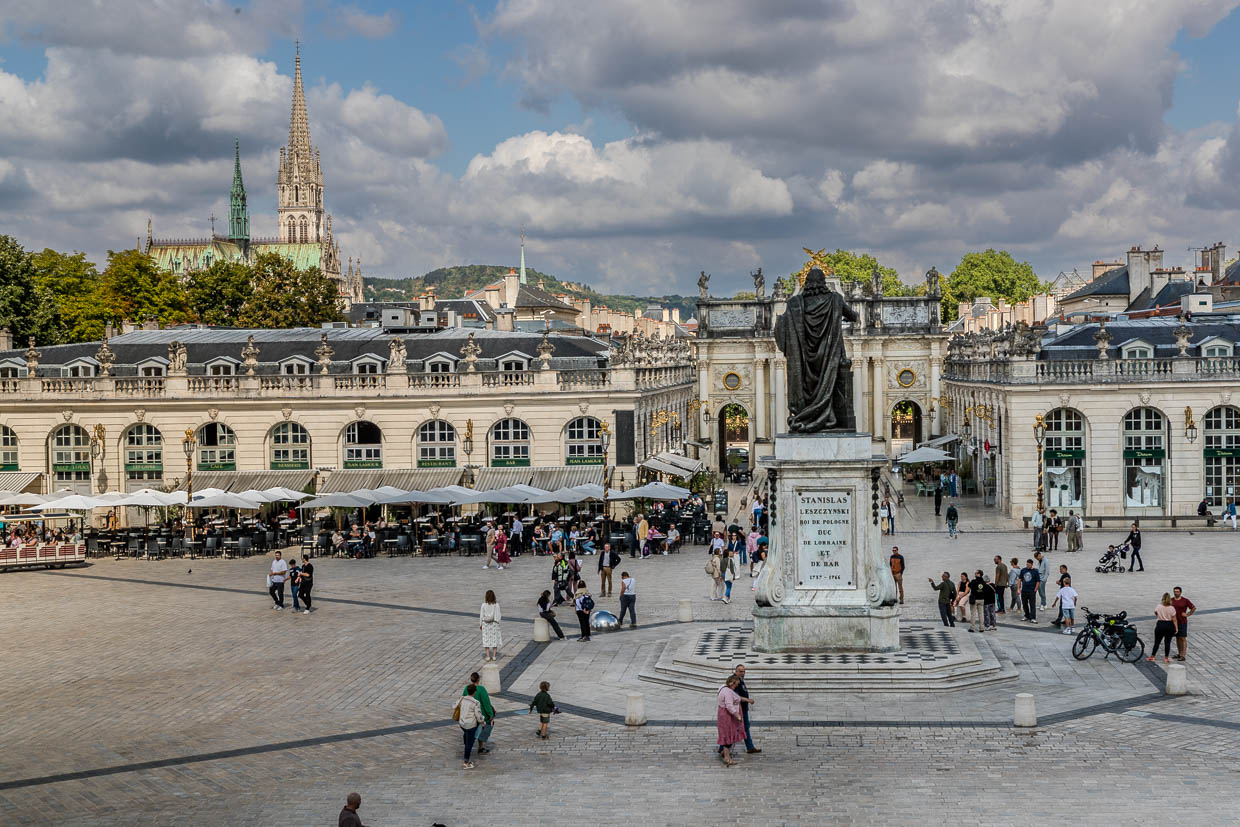
With his pension, Stanislas transformed Lorraine into a centre of the Enlightenment: humanistic, pleasure-loving and, as can be read on the plinth of his present-day monument, exceptionally charitable. Listed there are hospitals for the poor, annual alms for the rural population, emergency aid in the event of fire, hail and epidemics, free medical consultations, retirement homes for frail clergy, loan funds for merchants, primary schools and secondary schools for boys and girls, orphanages, a Collège royal de médecine with a botanical garden, an Academy of Sciences, and the public library which he founded in 1750—one of the first of its kind in France.
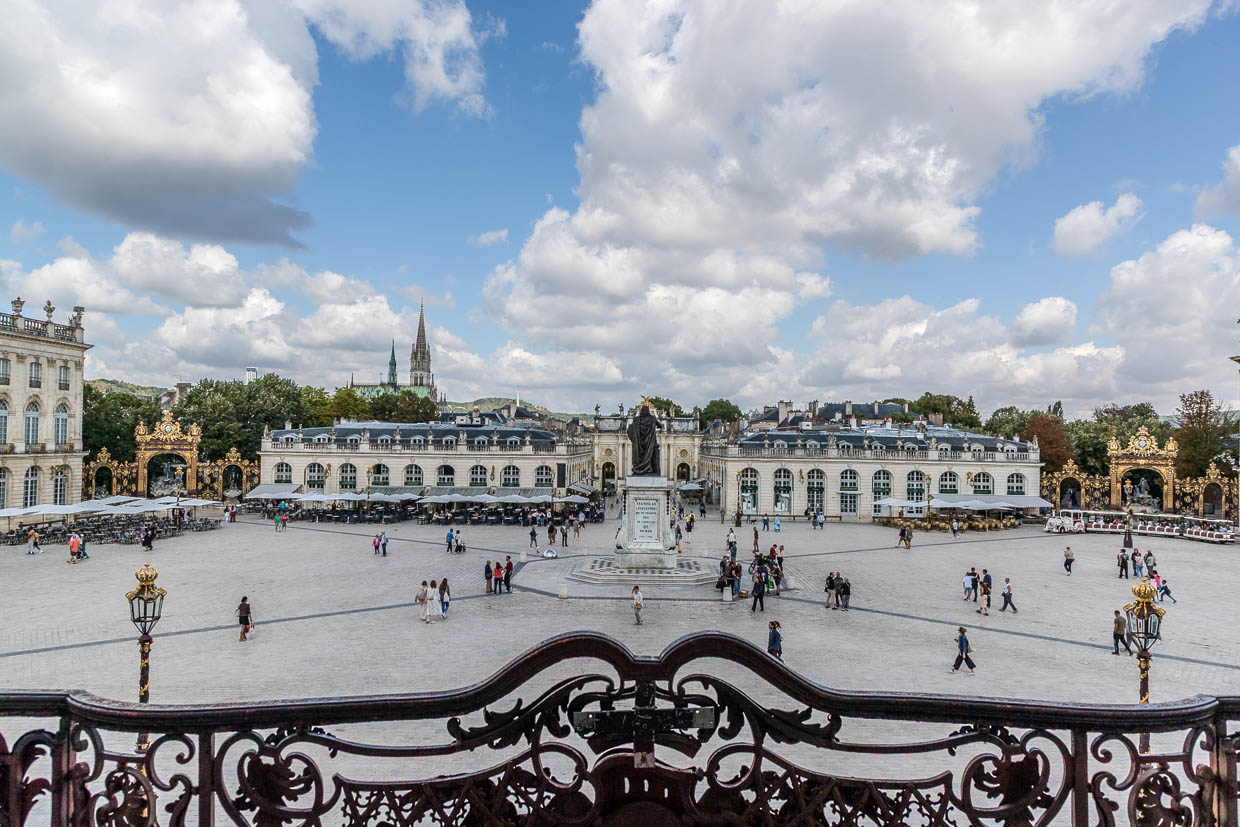
Place Stanislas. One of the most beautiful squares in the world
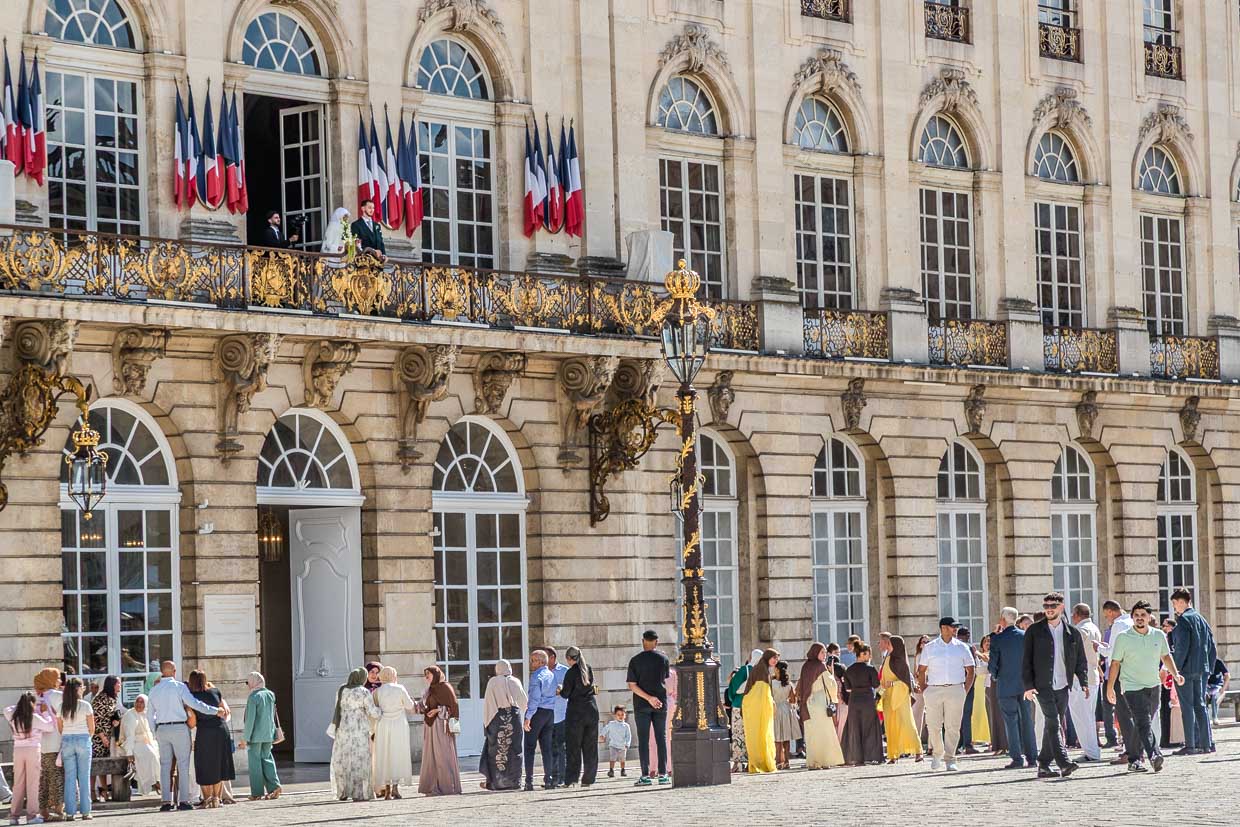
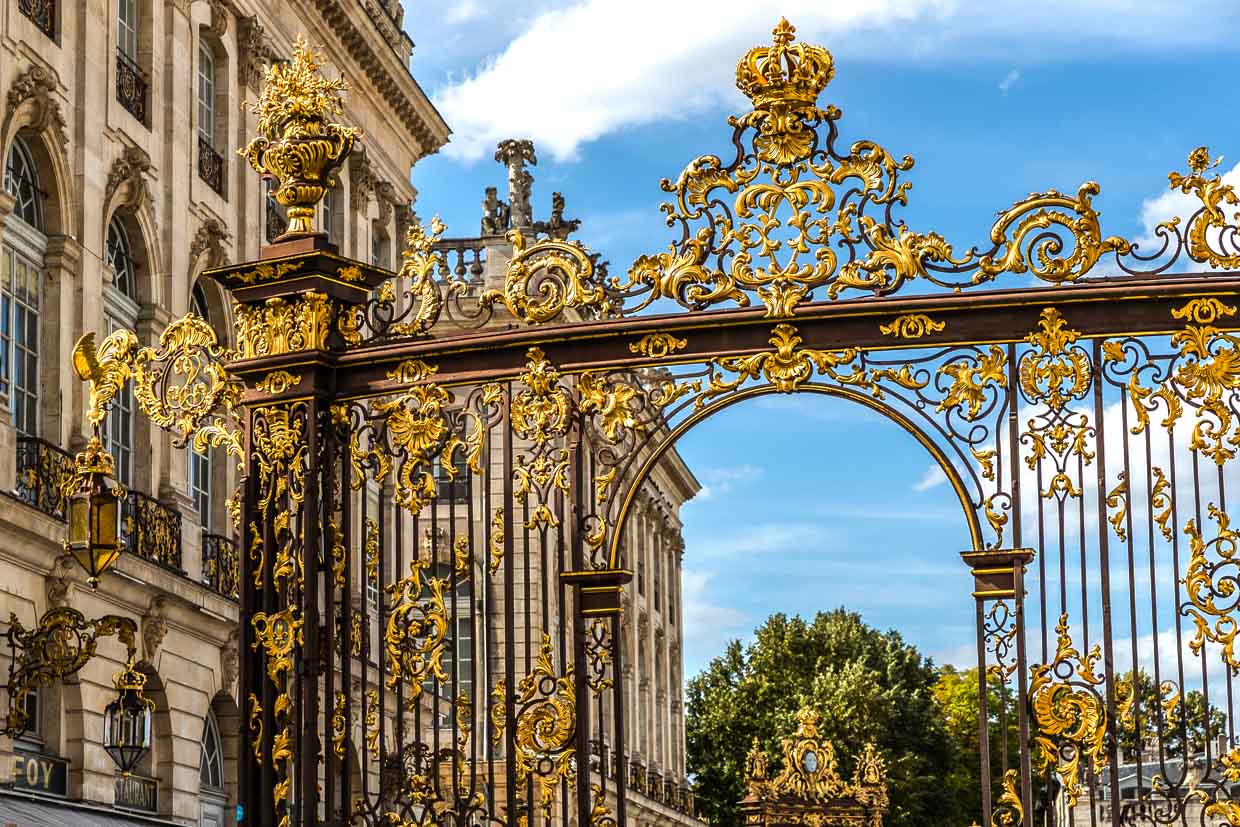
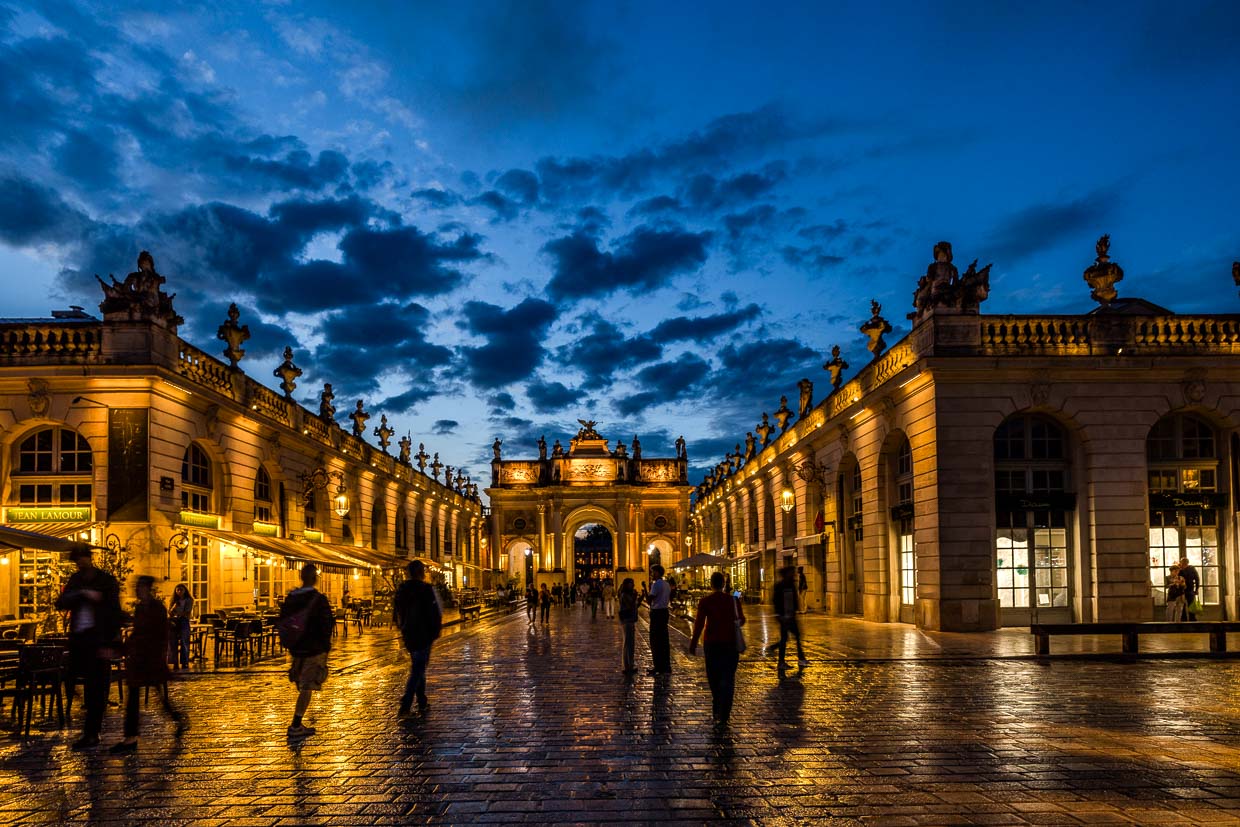
His most significant architectural achievement, however, remained the central square, which he had built between 1751 and 1755 by his court architect Emmanuel Héré to link the medieval old town with the 16th-century new town. It is framed by gilded grilles by the blacksmithJean Lamour, along with two magnificent fountains by Barthélemy Guibal and the Arc Héré, a small triumphal arch leading to the neighbouring Place de la Carrière and on to the Palais du Gouvernement. Originally, the square was called Place Royale and was dedicated to his son-in-law; a monument to Louis XV stood in its centre.
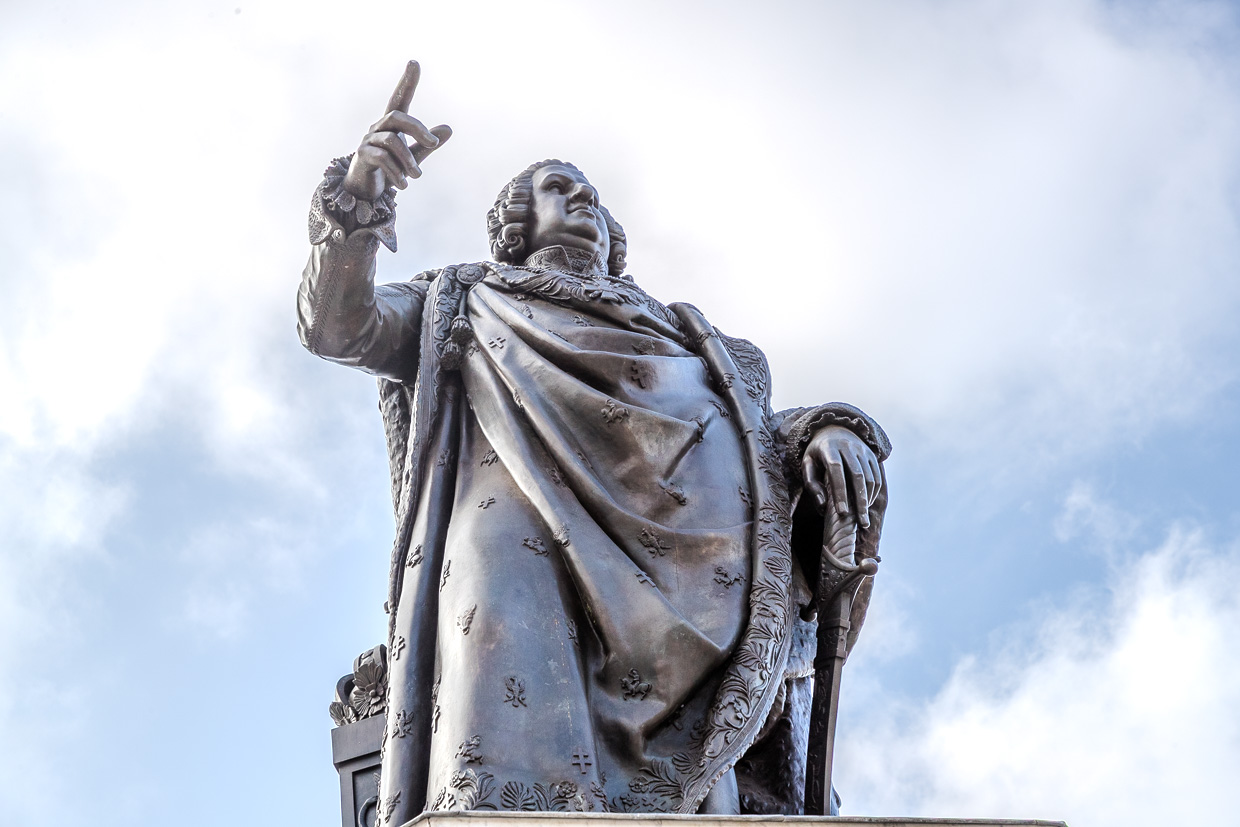
However, the French Revolution put an end to the monument of Louis XV and toppled the royal statue. In 1831, a good sixty years after Stanislas’s death, a new monument was erected on this very spot, this time in his honour, with his outstretched index finger pointing towards the Arc Héré and thus, symbolically, towards his son-in-law. Since then, the square has been known as Place Stanislas. In 1983, it was designated a UNESCO World Heritage Site, together with the Place de la Carrière and the Place d’Alliance.
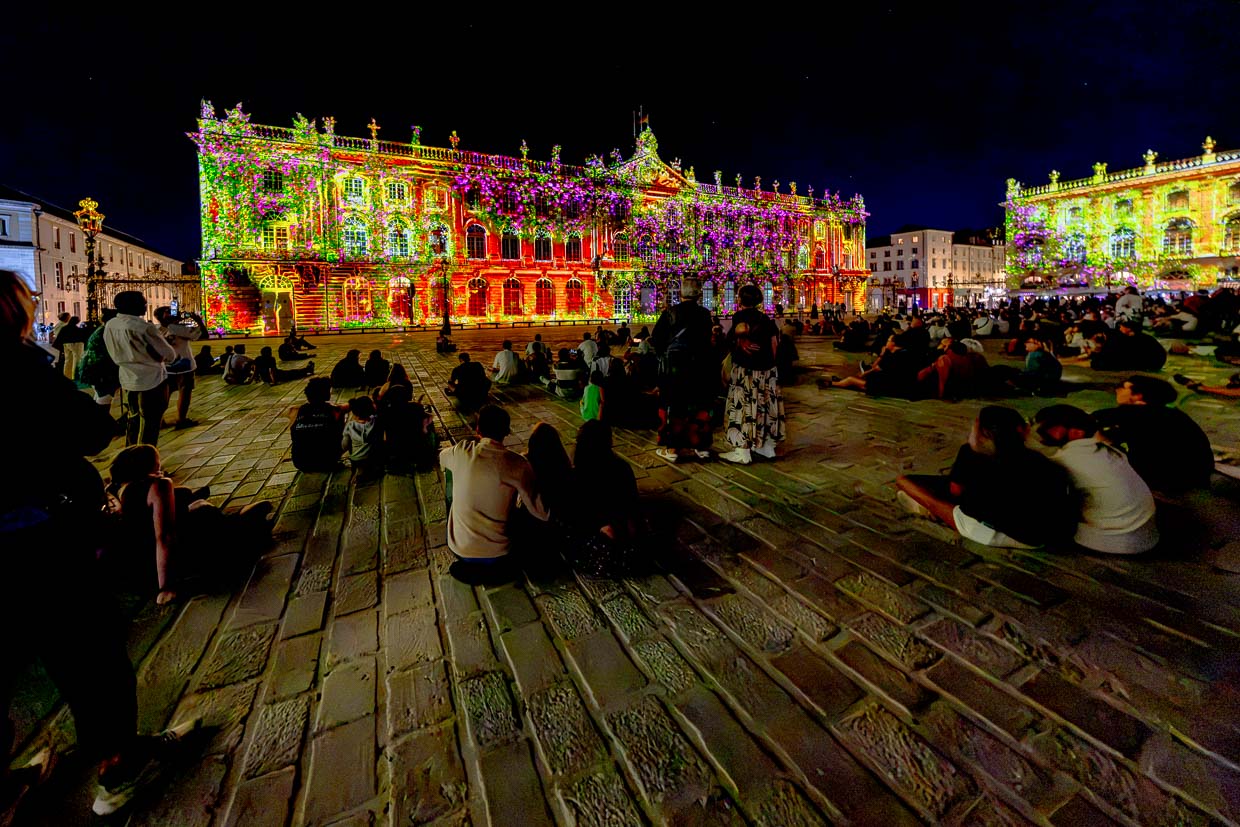
Anyone standing there on a summer’s evening can admire the ‘La Belle Saison’ light show, featuring artistic and large-scale light and image projections onto the architectural ensemble comprising the Town Hall (Hôtel de Ville), the Grand Hôtel de la Reine, the Opera House and the Museum of Fine Arts. The public has taken to the light show with great enthusiasm. When the weather is fine, the square is always packed as dusk falls. Music and brief explanations of the artistic concept behind the image projections go hand in hand with the illusions of colour and form. Stanislas, who had real gold fitted to the grilles of the four gates on the square, would certainly have been delighted by the fleeting splendour of the façades.
Just as mad as Nancy is about Stanislas, so too was Stanislas mad about food – especially sweet things. But that is another story: the story of a king who continues to influence the city’s culinary landscape to this day. And whose passion for good food ultimately cost him his life.
This research was supported by Destination Nancy and Atout France