
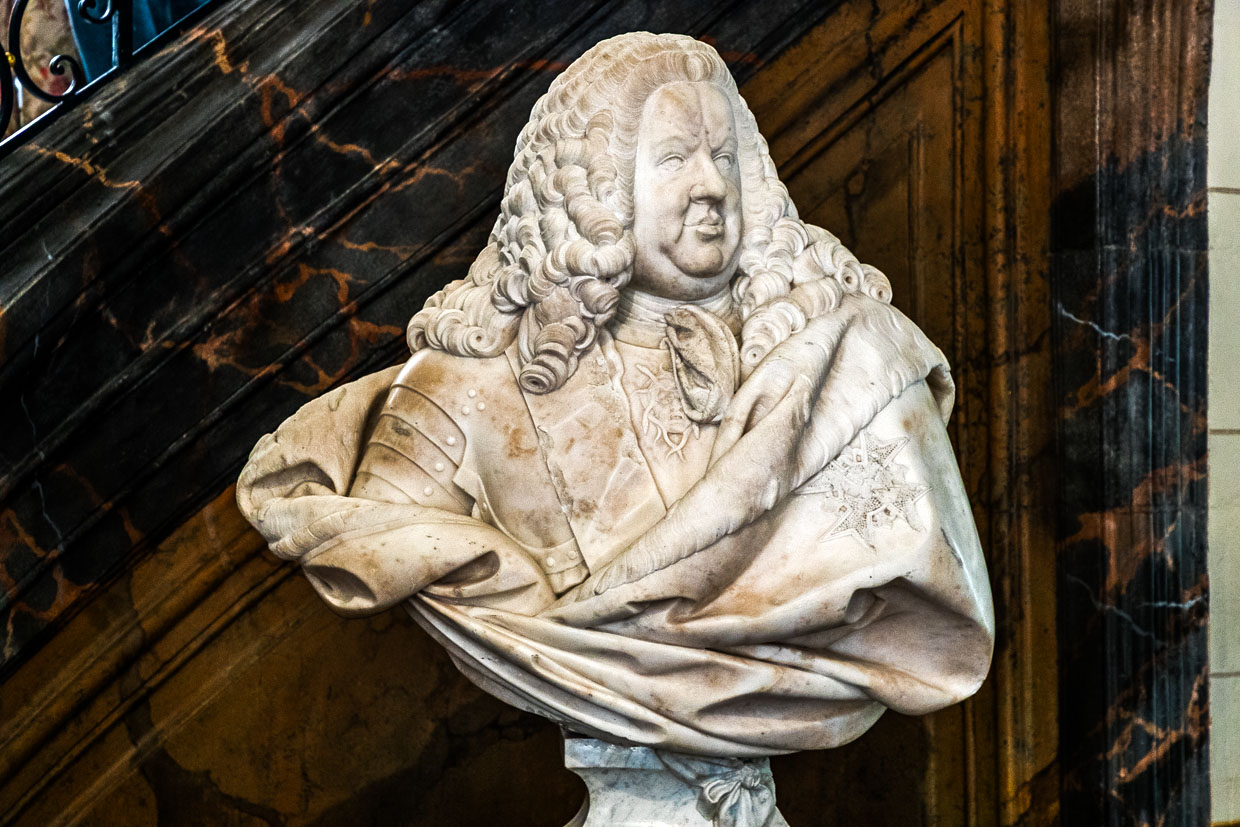
Just as much as Nancy still loves her Stanislas today, so the King loved good food with unbridled passion. It is said that in his castles he would set the clocks forward so that the next meal could begin earlier. When he died on 23 February 1766 at the age of 88, anecdotes about his weight and waistline immediately began to circulate in Lorraine. He is said to have weighed 150 kilos, with a layer of belly fat 8 centimetres thick. These are figures that live on in countless retellings. The accident that ended his life is a matter of record. On 5 February 1766, his clothes caught fire by the fireplace. He suffered severe burns and died after weeks of agony at Lunéville Castle. The very elderly king was apparently sitting alone in front of the fireplace, trying to relight his pipe, when he noticed the flames on his dressing gown too late and was too sluggish to free himself in time.
A bon vivant and friend of the Enlightenment
After his death, the people of Lorraine sincerely mourned a ruler whom they had received with utter coldness thirty years earlier upon his arrival. The reason for this change of heart can still be seen in Nancy today. Stanislas was a bon vivant and a friend of the Enlightenment. In 1750, he founded the Bibliothèque royale, a public library – one of the first in France – and made it the seat of his Académie Stanislas. He set up charitable workshops that provided the poor with work and an income, made a building available free of charge to the clergy for schools for poor boys, and enabled the Sœurs de Saint-Charles to run schools for girls. A duke without any real power, and yet one who brought education and welfare to his country. His pronounced passion for sweet and savoury foods still links him to Nancy to this day.
Bergamote de Nancy
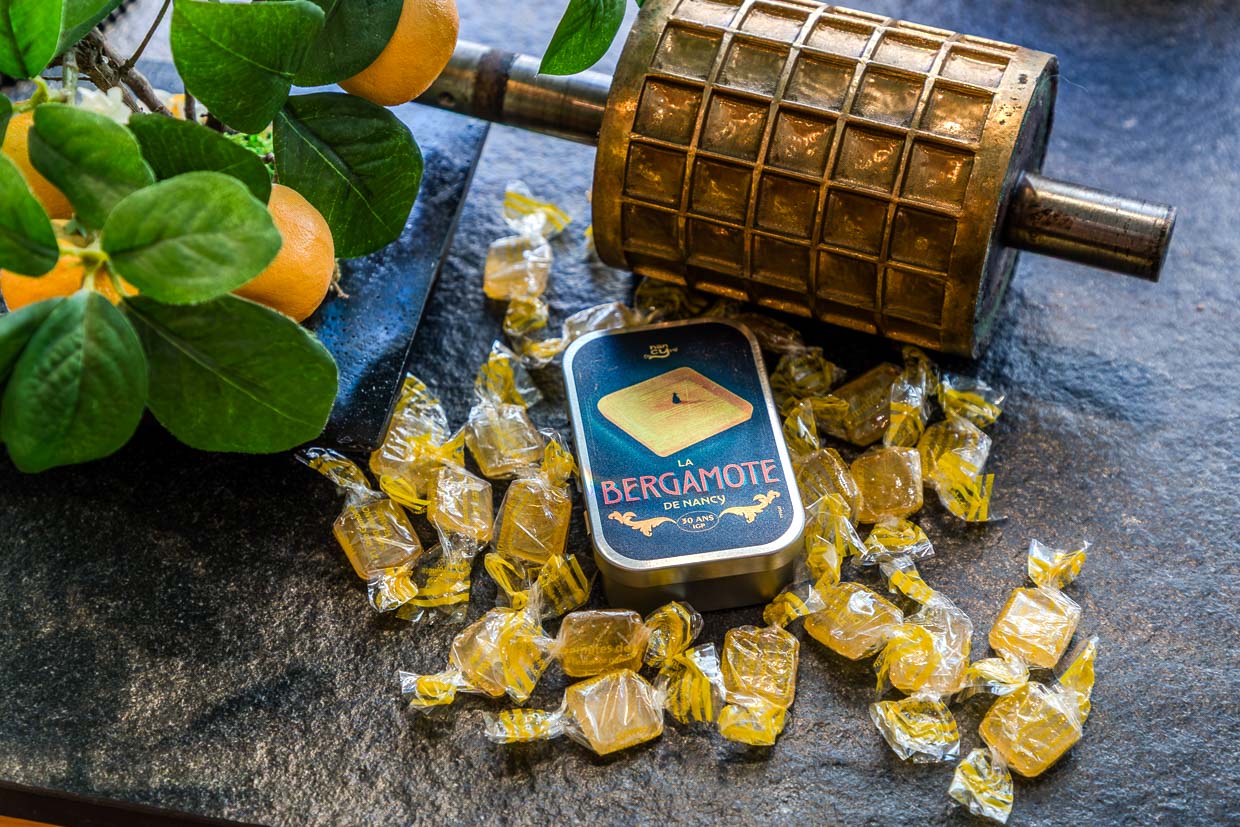
The history of bergamot – that sweet made from the oil of the citrus fruit, the ingredient of which must come exclusively from Calabria – is well documented. It is said to have found its way to Lorraine as early as three centuries before Stanislas. According to tradition, René I of Anjou, who became Duke of Lorraine in 1431 and, as King of Naples, also ruled over Calabria, brought the fruit back from his Italian campaigns; other accounts suggest he discovered it in an abbey near Bergamo, where monks were distilling Calabrian bergamots.
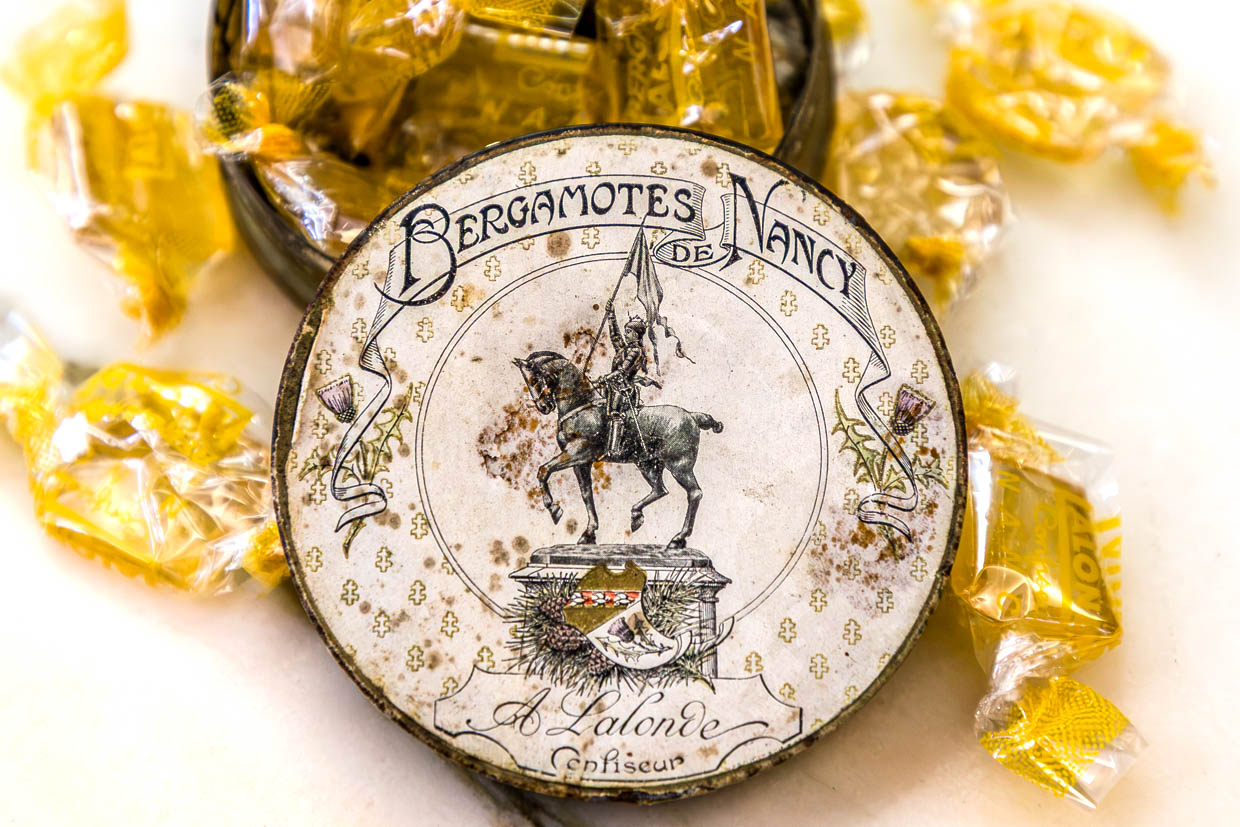
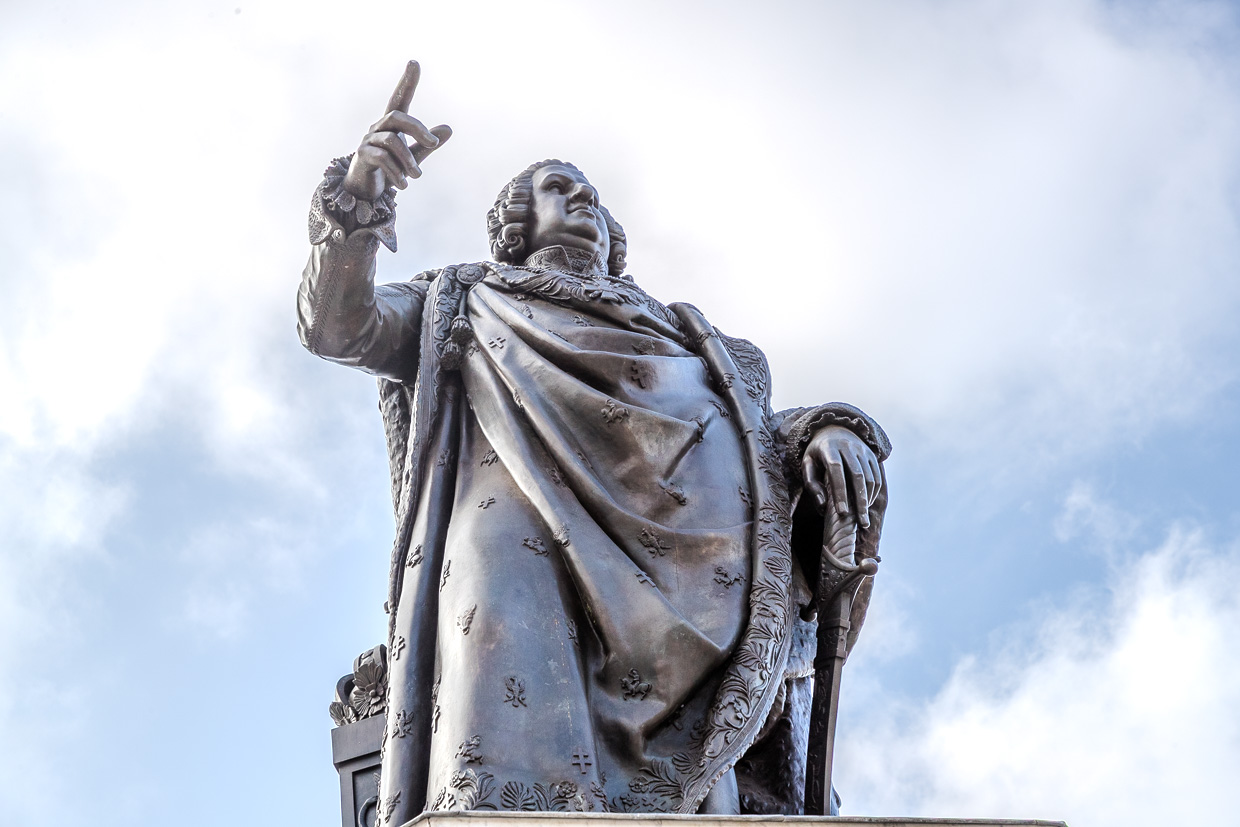
It was not until 1857 that the confectioner Jean Frédéric Godefroy Lillich gave it its definitive shape as a sweet. Today, it takes the square shape of the Place Stanislas in the heart of Nancy, with the statue of the Regent in the centre. Since 1996, an Indication Géographique Protégée( IGP) has protected the recipe – an anniversary that the city will celebrate in 2026 with a programme of its own. Only four confectioners’ shops are currently permitted to bear the seal of quality: Maison Jean Lalonde, Confiserie Stanislas, Maison des Sœurs Macarons and Confiserie des Hautes-Vosges.
Madeleine de Commercy
The most charming of all legends revolves around the madeleine. According to the story, in 1755 Stanislas had invited distinguished guests to his castle in Commercy when his pastry chef – version 1: following an argument with the steward, fled in a hurry, taking the prepared dessert with him; Version 2: after a collision with the court jester, he dropped the prepared cake and stormed out of the château in a rage. A young kitchen assistant named Madeleine Paulmier saved the evening with a simple sponge cake based on her grandmother’s recipe, baked in shell-shaped moulds because there was no suitable baking tin to hand.
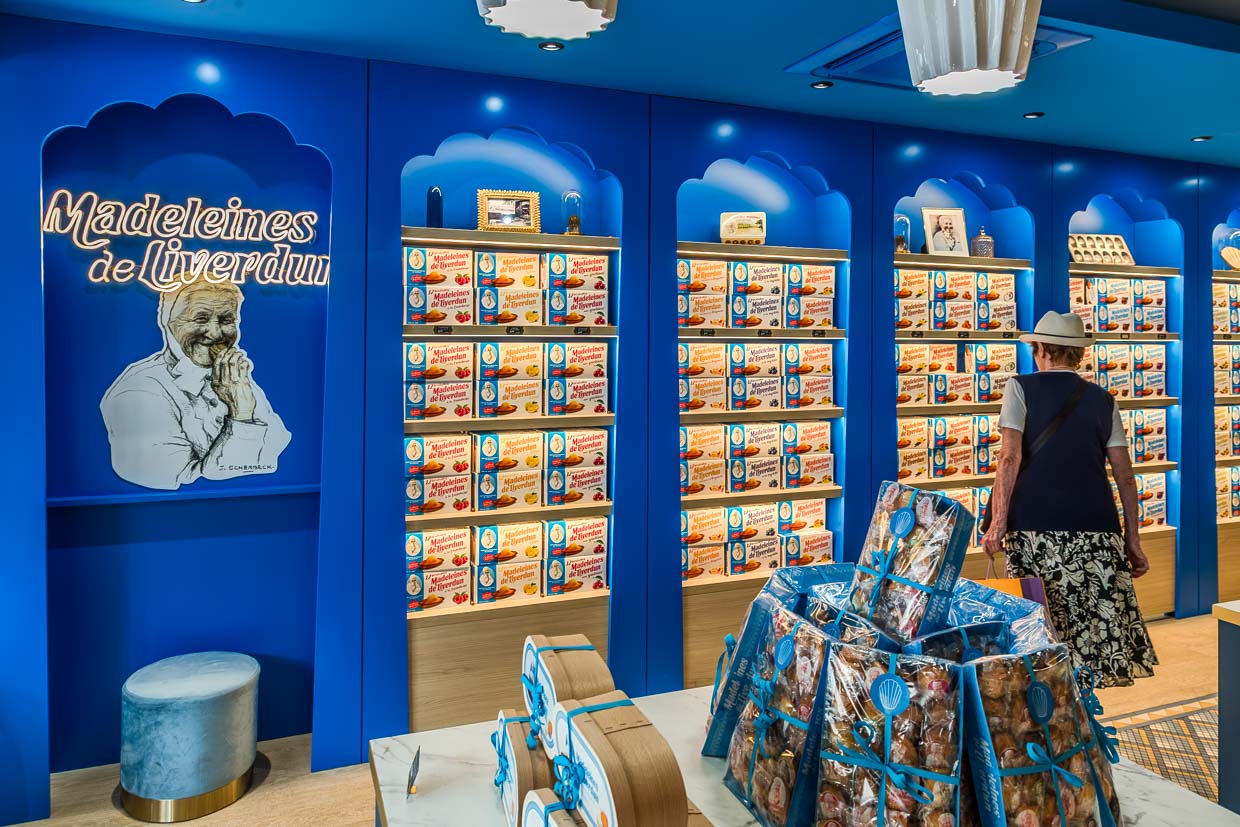
The king was delighted, asked to be introduced to the baker and, without further ado, named the pastry after her. The Lorraine historian Charles Sadoul later argued that the recipe actually originated from a cook in the service of Cardinal de Retz, a whole century earlier. But this rival theory never stood a chance against a good story. Anyone still seeking the madeleine made according to traditional methods today will find it in Commercy itself and in nearby Liverdun, where the tradition has been upheld for over a hundred years.
Baba au Rhum
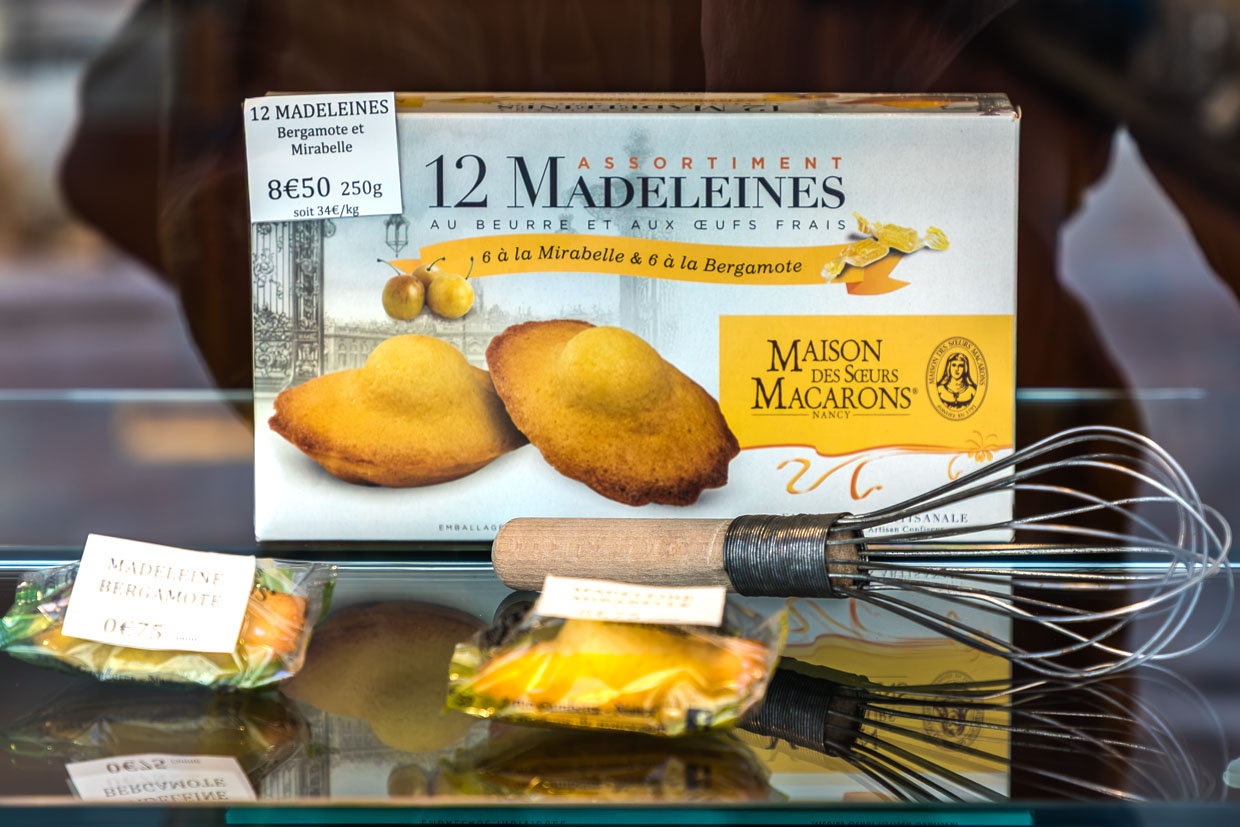
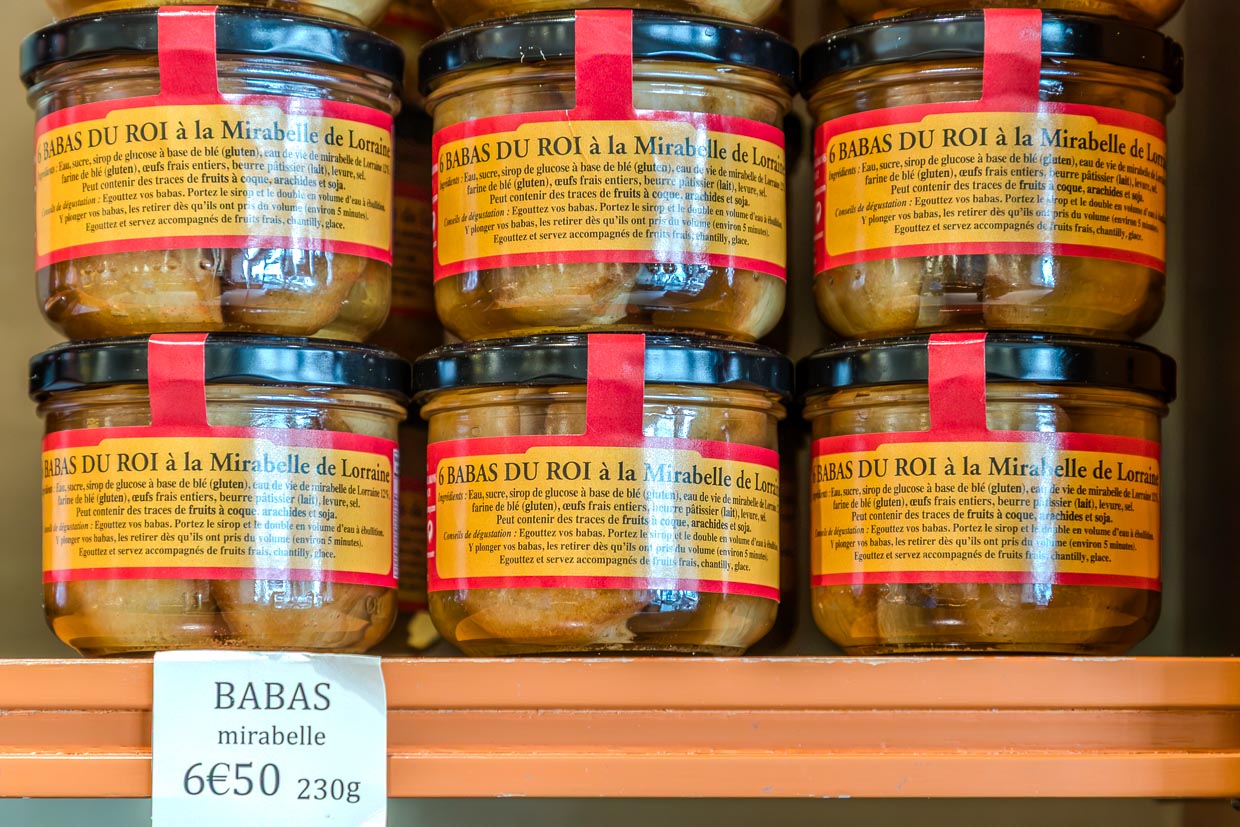
The Baba au Rhum was invented at the beginning of the 18th century by Nicolas Stohrer, the exiled king’s confectioner, who soaked a kouglof that was too dry in wine to make it more palatable for his elderly, now 80-year-old and toothless master. Rum was not used at first – it simply wasn’t available in Lorraine. Instead, Tokay or Malaga wine was used. It was not until 1835 that a descendant of Stohrer, by then established as a Parisian confectioner, poured rum over the cakes fresh from the mould for the first time. The dessert made its way to Paris with Marie Leszczyńska, who brought her pastry chef with her to the court of Louis XV. In 1730, Stohrer opened his own patisserie on Rue Montorgueil. It still exists today and is considered the oldest patisserie in Paris. Anyone who orders a Baba au Rhum there is – usually without realising it – eating a piece of Lorraine.
Quiche Lorraine
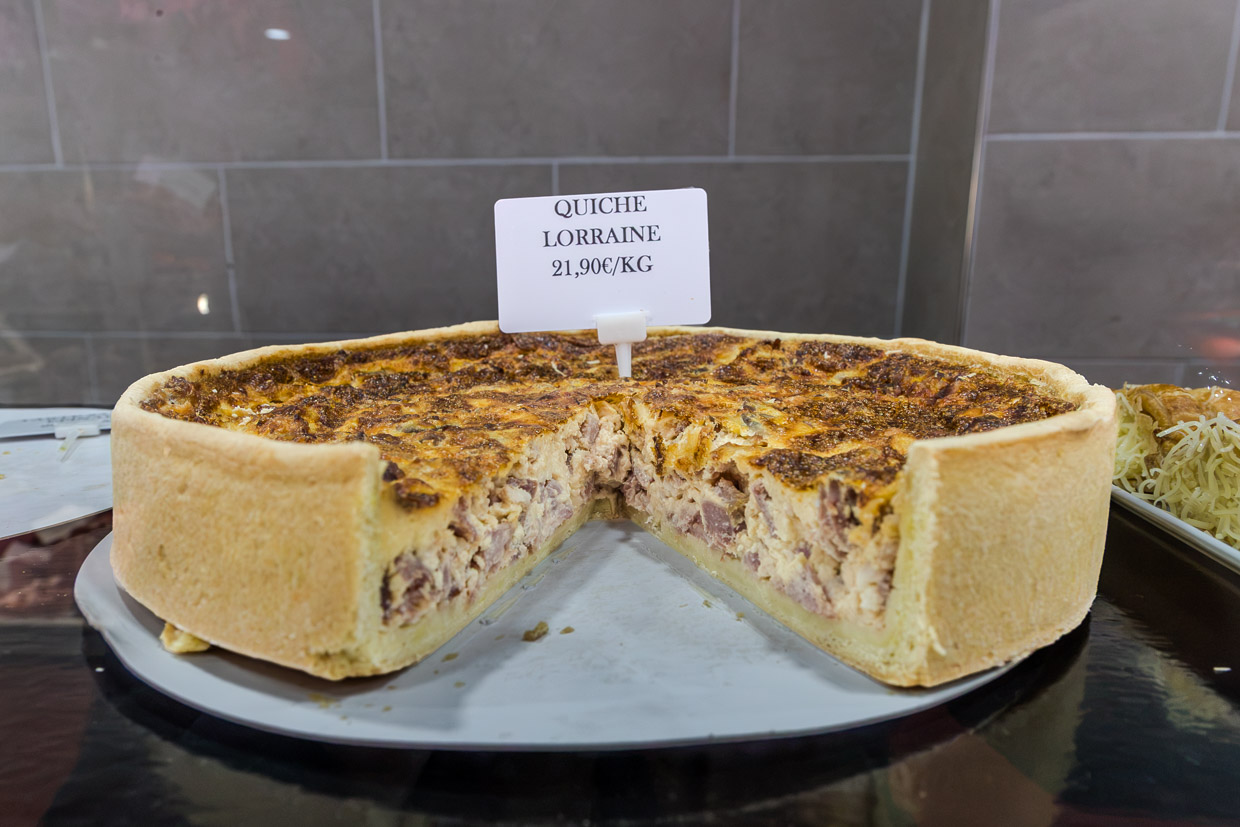
The Quiche Lorraine, which definitely does not contain cheese but does contain plenty of eggs and egg yolks, is one of the specialities people like to associate with Stanislas – as if the pleasure-loving king had added the bacon himself. In fact, the quiche predates Stanislas: it was first documented in 1586, in the expenditure ledger of one of his predecessors, Duke Charles III of Lorraine. According to most sources, bacon was not added until the 19th century, when the original bread dough gave way to the shortcrust pastry we know today. As a gourmet, however, Stanislas was demonstrably a great fan of Quiche Lorraine.
Bouchée à la reine
The Bouchée à la reine, a puff pastry pie with a savoury filling of poultry, mushrooms and white sauce, is traditionally associated with Marie Leszczyńska, the daughter of King Stanislas and wife of Louis XV. Inspired by the ‘Puits d’amour’, which the court confectioner Vincent La Chapelle had created for Maria’s rival, Madame de Pompadour, Maria is said to have commissioned a savoury version from Nicolas Stohrer in order to win back her husband’s favour. According to legend, the little treat made the queen extremely fertile – a lovely thought, considering that Marie and Louis XV did indeed have ten children within ten years. Whether the bouchée really played a part in this remains to be seen; in any case, it has done nothing to diminish the story’s popularity in Lorraine.
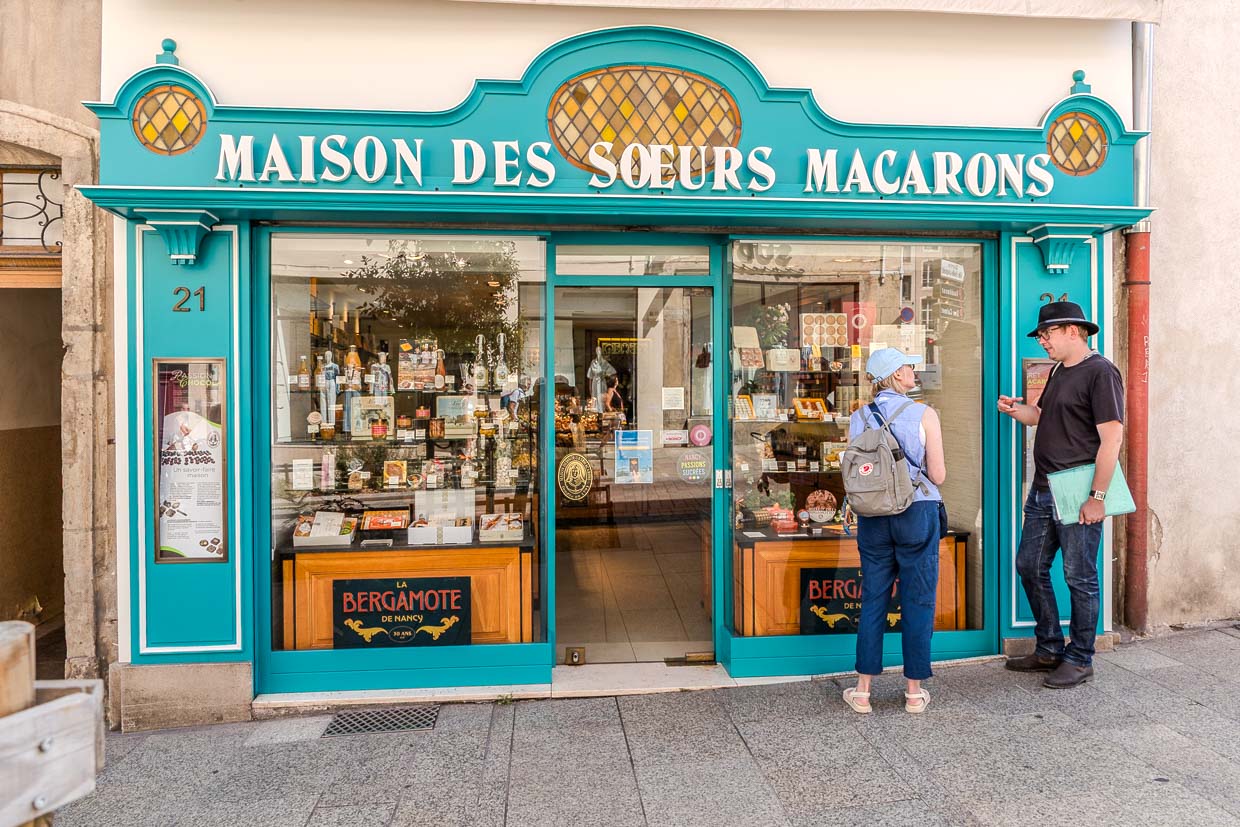
Nancy Passions Sucrées et Salées
Anyone strolling through the shops in the city centre will come across a round quality mark bearing the inscription ‘Nancy Passions Sucrées’. Since 2019, the Grand Nancy metropolitan area has been awarding this label to pastry chefs, confectioners and chocolatiers who produce one of the city’s twenty or so protected sweet specialities using traditional methods – from bergamot to baba. In 2025, ‘Nancy Passions Salées’ was introduced as its savoury counterpart, awarded to butchers, cheesemongers and bakeries for classics such as Quiche Lorraine or Pâté Lorrain. Two seals of quality, then, which demonstrate just how seriously Nancy takes its culinary tradition. Very much in the spirit of the king who once helped to establish it.
The cult of Stanislas. How it all began.
The story of how an exiled Polish king came to become Duke of Lorraine involves a young French king and a selection process involving 99 princesses: Nancy, mad about Stanislas.
This research was supported by Destination Nancy and Atout France