
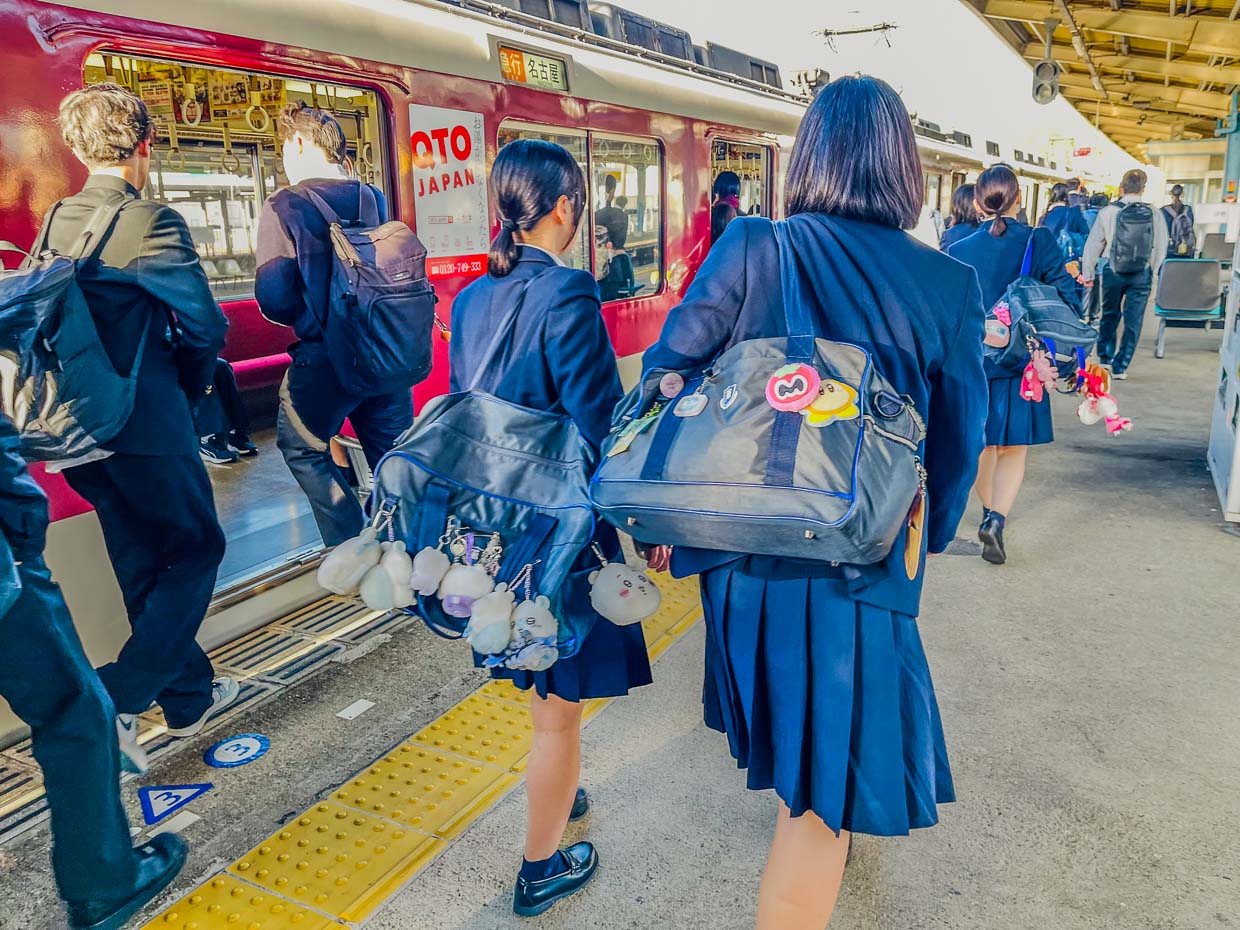
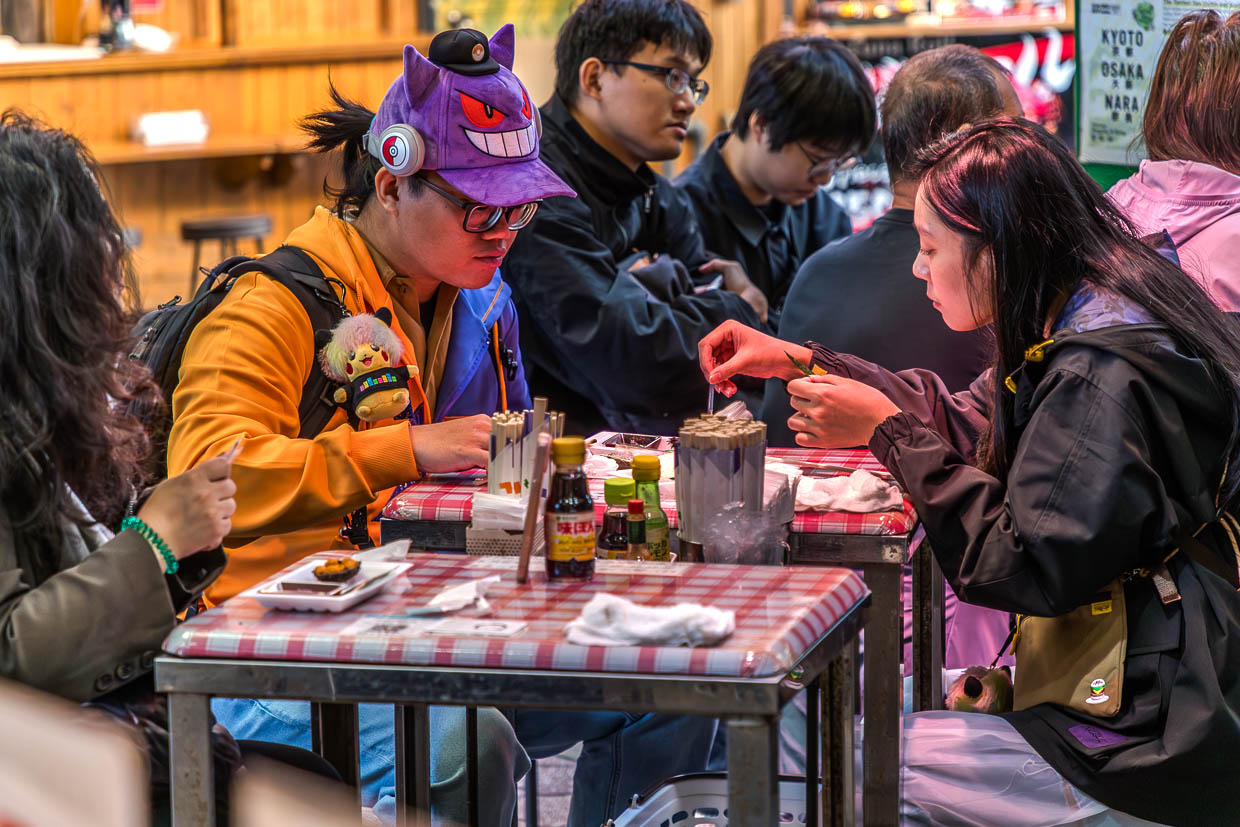
It started right at Kansai International Airport. As soon as the baggage carousel had delivered my unadorned suitcase, I spotted them among the throng of travellers streaming onto the JR Haruka Express to Osaka: small stuffed animals dangling from rucksacks and handbags. Some looked as cheap as carnival throws, others shone like long-haired faux fur. In Japan, plush charms are regarded as modern protective amulets. For young people, they are emotional companions. A plush monster on a rucksack calms, dispels loneliness and provides loyal company during everyday commuting. But carrying your favourite stuffed animal is just the beginning of the multi-layered bag charm culture.
Gachapon: happiness from the capsule
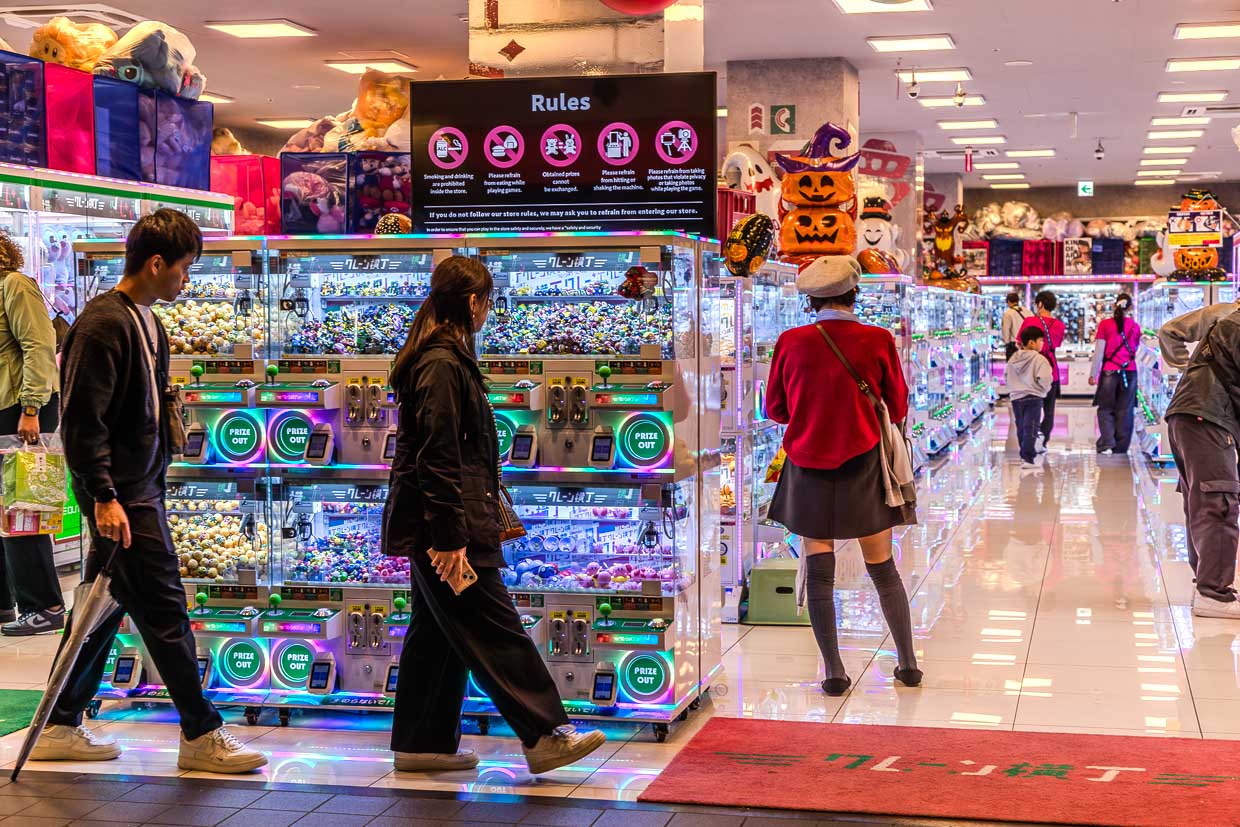
In Japan, where communication often remains subtle, plush charms reveal interests without saying a word. Access to these fluffy companions is very easy: thousands of capsule vending machines spit out new, inexpensive mini plush figures every month that fit perfectly on bags. In big cities like Osaka and Tokyo, they can be found on almost every corner – often in groups or in specialised shops whose aisles are filled with gachapons, the surprise capsules. Department stores dedicate entire floors to them, where a spin of the machine promises the next lucky charm.
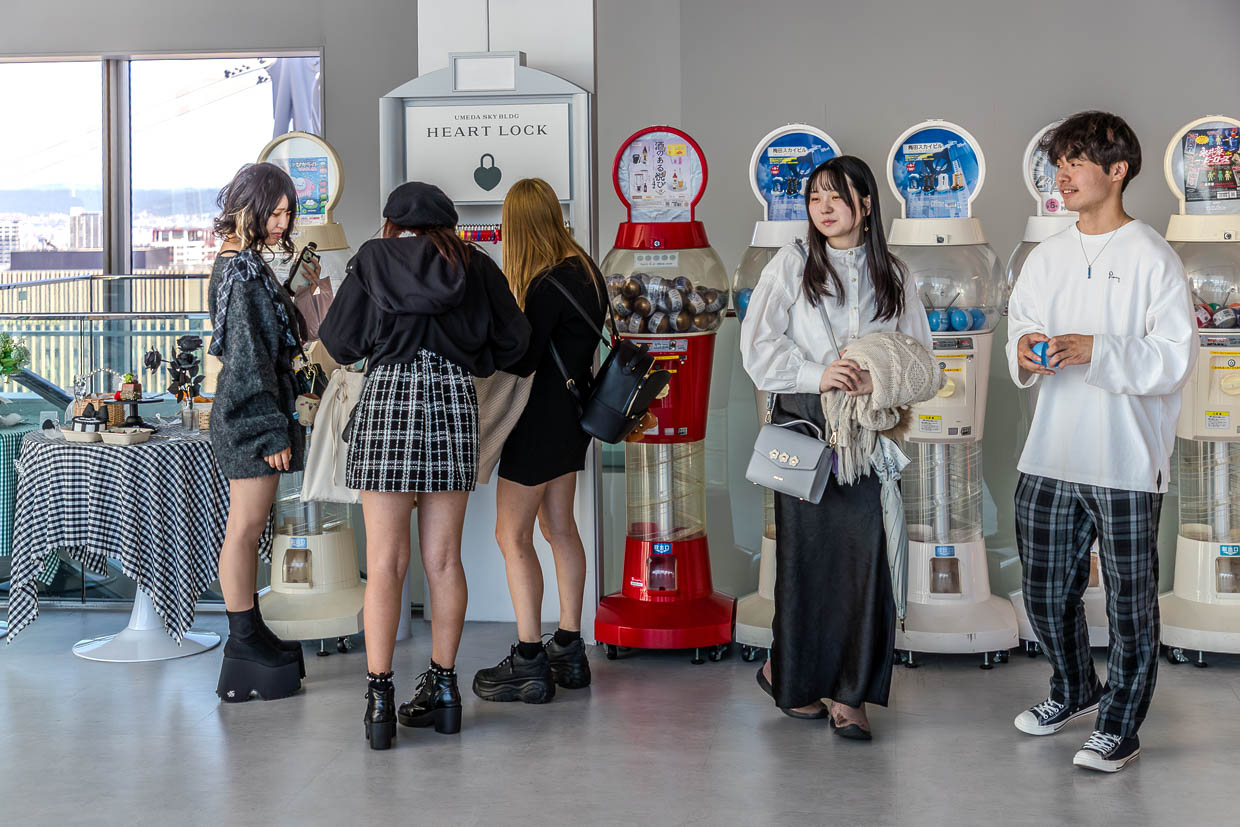
One coin is all it takes for the capsule to roll through the transparent display. A gachapon usually costs 200 to 500 yen in Japan – per spin. What is hidden in the capsule remains a secret until it is opened. It’s the principle of surprise ice cream or Panini stickers: you buy a pig in a poke. Collecting and swapping captivates buyers and draws them in. Business has been booming for years, so much so that people are talking about a blind box economy.
From trend to pop culture
Small figures and charms on bags have been around in Japan since the 1970s. Back then, the Sanrio character Hello Kitty conquered hearts – initially as a mascot and bag charm. Today, the cute cat adorns Japanese express trains and even waves from the tail wings of some aeroplanes. Capsule toys with minifigures for bags and later mobile phones appeared in the 1990s. The trend has been booming since the end of 2023: entire rucksacks are adorned with plush pendants – and the hype continues unabated.

The tradition of omamori in Japan
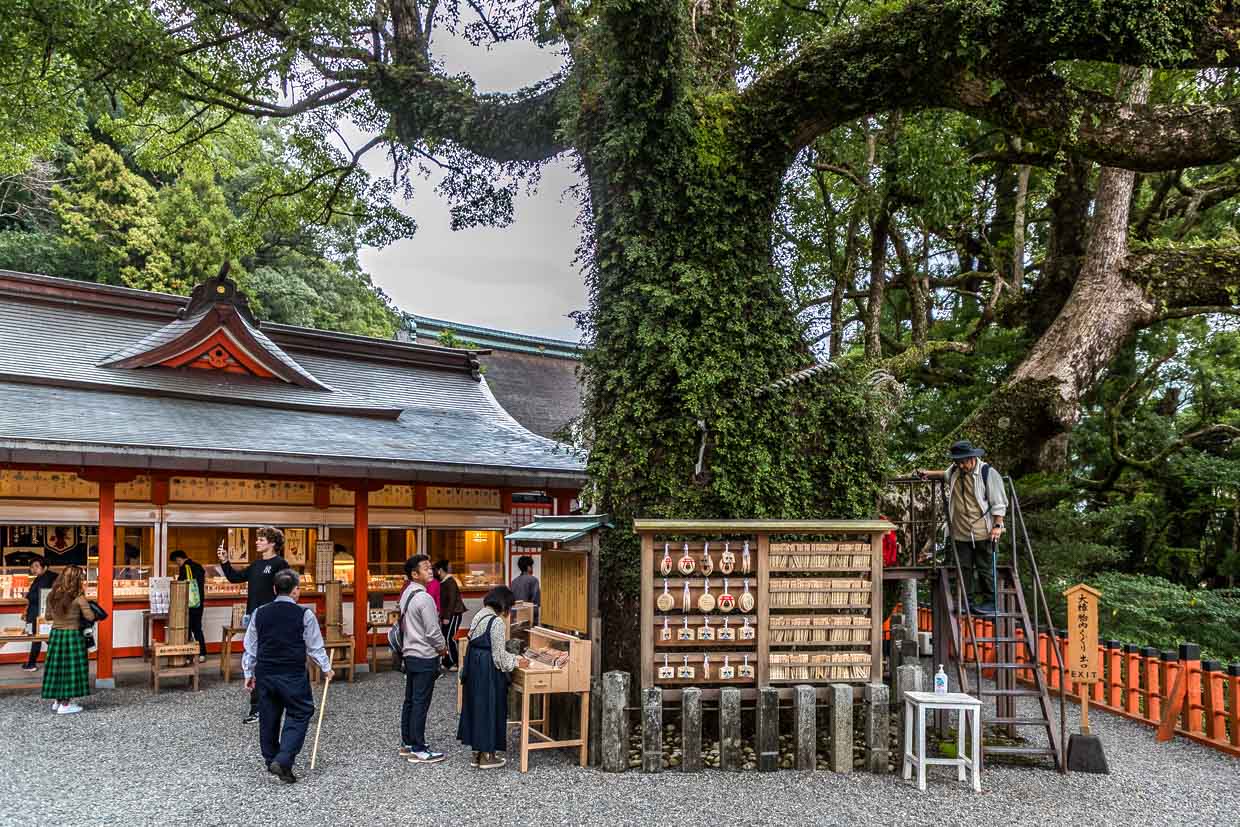
To understand why plush pendants are so popular in Japan, it helps to take a look at the omamori. These small protective amulets are sold in shrines and temples. Each one promises a blessing: success at school, good health or a happy partnership. The tradition of personal good luck charms goes back centuries. Many people carry their omamori with them every day, often without realising it. But omamori have an expiry date – they are usually replaced after a year. There is a familiar logic behind this: a small object protects, comforts, motivates and will be replaced at some point.
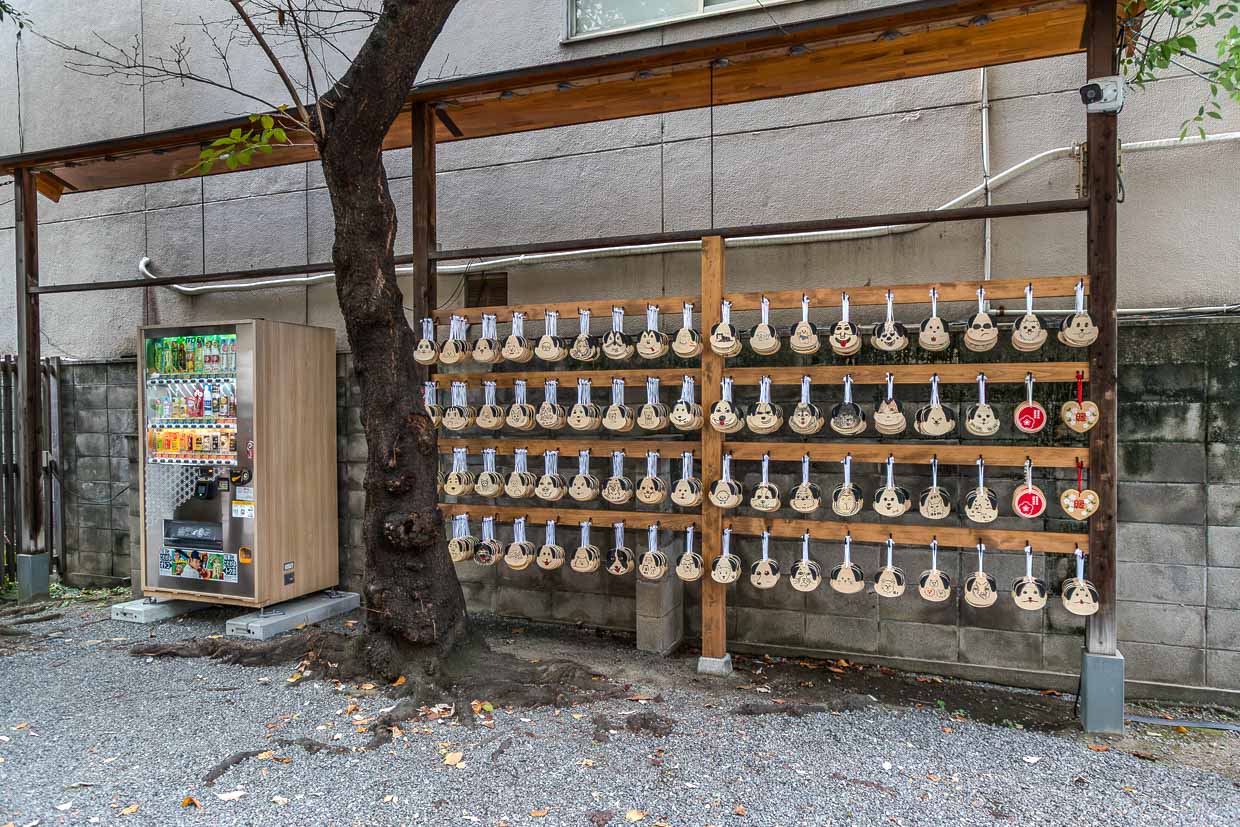
For the Japanese, an omamori combines the roles of lucky charm, prayer sign and personal incentive. Today, plush pendants fulfil this emotional function. This cultural background explains why Japan took up the trend for plush pendants so quickly. The idea of carrying a meaningful, decorative object with you is an old one. Pilgrims took protective amulets with them on the Kumano Kodo over 1,000 years ago. Women, for whom a pilgrimage was often particularly dangerous, wore the protective jewellery visibly over their kimono. Plush pendants are just the modern version.

From student in uniform to street fashion kid
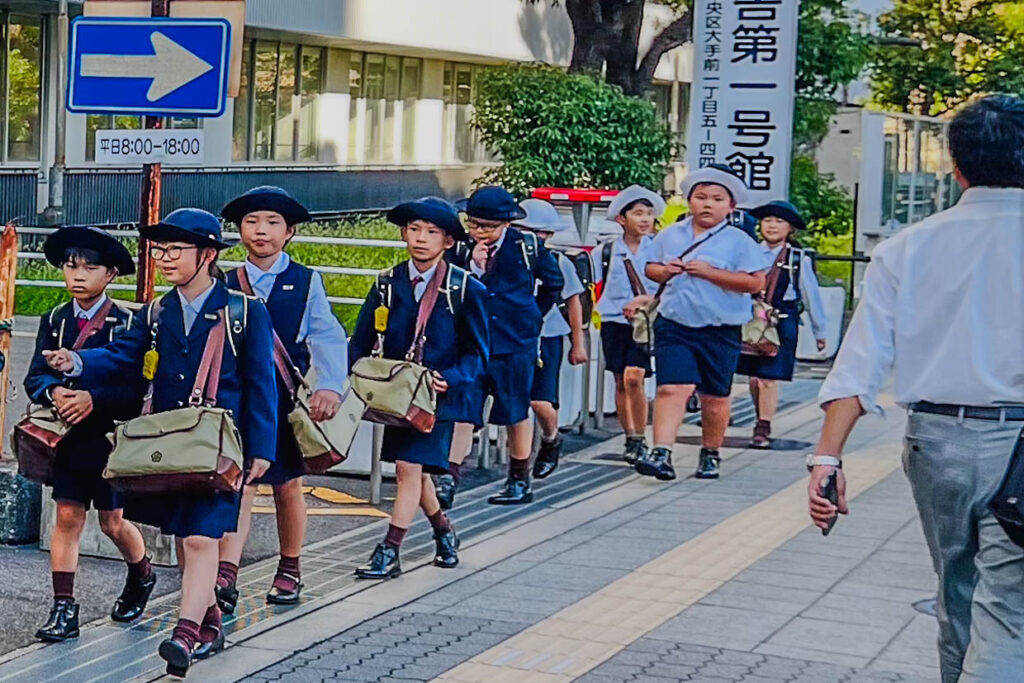
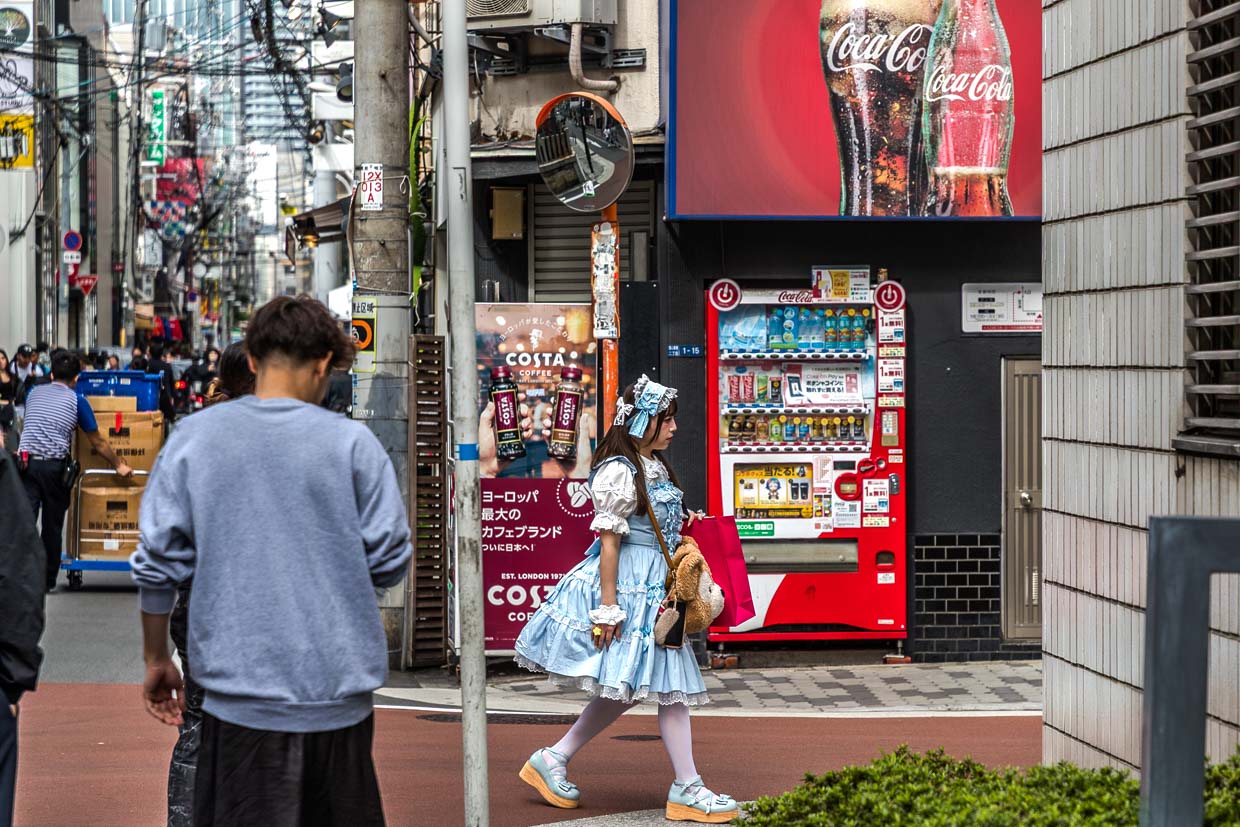
In the Japanese school system, characterised by strictly tailored uniforms, it’s a bit like a video game: you start at the lowest level, with no skills and no identity of your own. As you get older, your tastes, preferences and crushes develop. Girls in particular, but also boys, show their individuality discreetly at first, for example through accessories. Plush pendants reveal their style without overloading the outfit. Many Generation Z youngsters choose pendants that match their clothes, while others opt for pieces that emphasise their fan affiliation. Those who can afford an original Louis Vuitton bag or other luxury brands like to play with the contrast between high fashion and cheap mascots from vending machines. In the big cities, the once well-behaved schoolchildren are turning into real street fashion kids. This fashion-conscious generation is known as gyaru. They are boldly experimenting with a variety of styles: from Kongyaru, the schoolgirl look, to Decora, a deliberately overloaded style with pastel shades, bright neon colours and accessories worn in layers. When strolling through Tokyo’s and Osaka’s shopping districts, they themselves become an attraction, even for tourists.
Nuigurumi Ryokō: plush toy on a journey
Away from Shibuya and Dotonbori, there is a more refined version of oshi-katsu – the devotion to one’s favourite mascot. I had long since got used to the plush pendants dangling from rucksacks and hardly paid them any attention. But in Hakone, at the active volcanic crater Ōwakudani, I was amazed: a young man took the blue plush toy hanging from his girlfriend’s rucksack out of a transparent bag, placed it on the parapet of the railing and photographed it in front of the hissing sulphur clouds. This is what Nui-katsu looks like – a typical plush activity. But there’s more: in so-called proxy trips, the Nuigurumi Ryokō, you hand over your plush toy to a plush travel agent who sends it on a journey. Influencers on Instagram and TikTok are driving this trend by sharing photos of their plush avatars. Only the mascot is ever visible.
Omamori: protective amulets rethought
More than half of plush fans only take photos of their charms in order to show their personality without risk. As weird as these plushie activities may seem, in times of doom postings and deep fakes, it is quite clever to only show yourself in the form of your own avatar. The omamori as a protective amulet against dangers on long journeys such as the Nakasendo trade route or the pilgrimage routes of the Kumano Kodo take on a new meaning. Today’s criminals are no longer lurking by the wayside, they are travelling virtually.
More episodes from Japan
Spiritual, culinary, fascinating. On our trip through the Japanese prefectures of Wakayama, Mie and Nagano as well as the cities of Osaka, Nara and the Hakone region, we hiked pilgrimage routes and ancient trade routes, bathed in hot springs and drifted through the street food streets of Osaka and packed lots of red tins from Nagano into our suitcase. There is no way around octopus there – especially not a takoyaki, the legendary dough ball with a tiny piece of octopus inside. In Tanabe, another world opens up: that of Umeshu, the amber-coloured plum liqueur, the nuances of which you can get to know in a small bar. If you can still walk afterwards, it is best to head straight for the famous Kumano Kodo pilgrimage route – and if you want to do it in style, wear a kimono. Yunomine Onsen is home to the oldest onsen in Japan, where hot water has been bubbling up from the earth for 1800 years for cooking, bathing and relaxing. You can learn about the history of the ama, the women of the sea, their tradition and their endangered craft in Mie. If you are looking for a souvenir, you can choose an oyster in Ise-Shima. You can only find out what’s inside at the Pearl Picking. In Ise itself, Japan’s most important Shinto shrine holds a secret that has been kept for twelve hundred years – by rebuilding it every twenty years. The somewhat quirky bag charm culture, in which soft toys dangle from bags, is a nationwide phenomenon.
The research was supported by several Japanese prefectures.