Halifax is the capital of Nova Scotia and also the gateway to the wild natural landscapes of Atlantic Canada. For most visitors, this is where their journey begins. Cruise ships also dock here. For ships from Europe, the harbour is their first port of call on the continent. This location has made Halifax a strategically important stopover for seafaring for centuries. In terms of cuisine, the city brings together everything that characterises the entire province: excellent seafood, fresh fish and locals offering high-quality specialities at markets or in small boutiques.
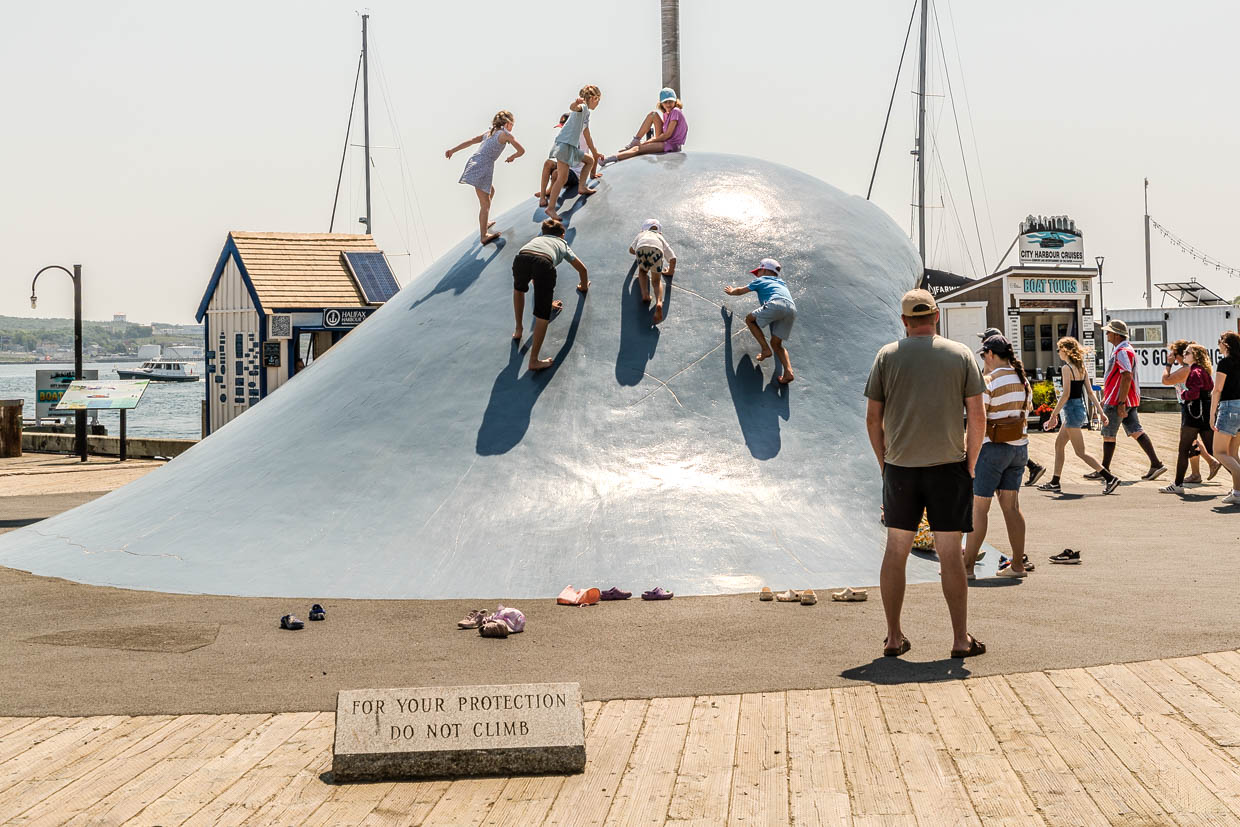
The Halifax Waterfront is packed with restaurants, fast-food outlets and food stalls. So here’s a little guide – based on our own experience.
Farmers’ Market at the Brewery
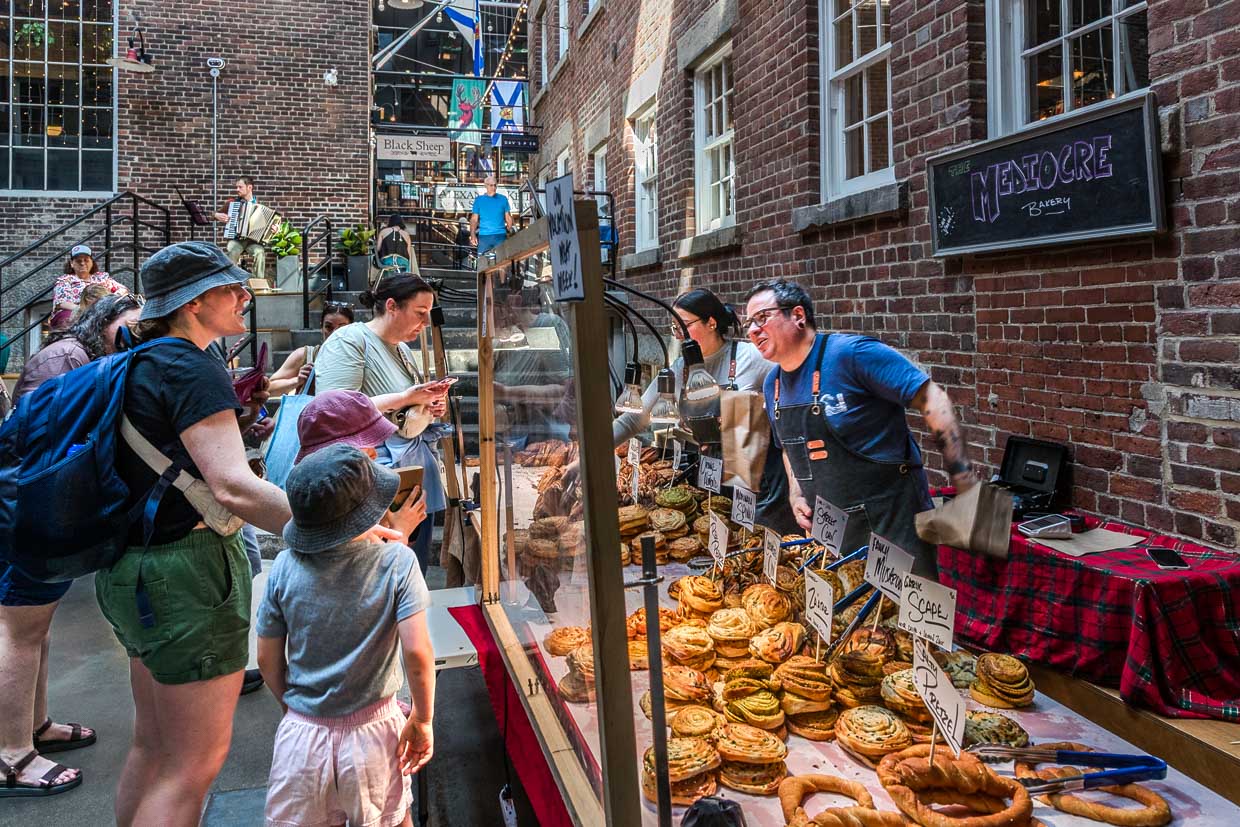
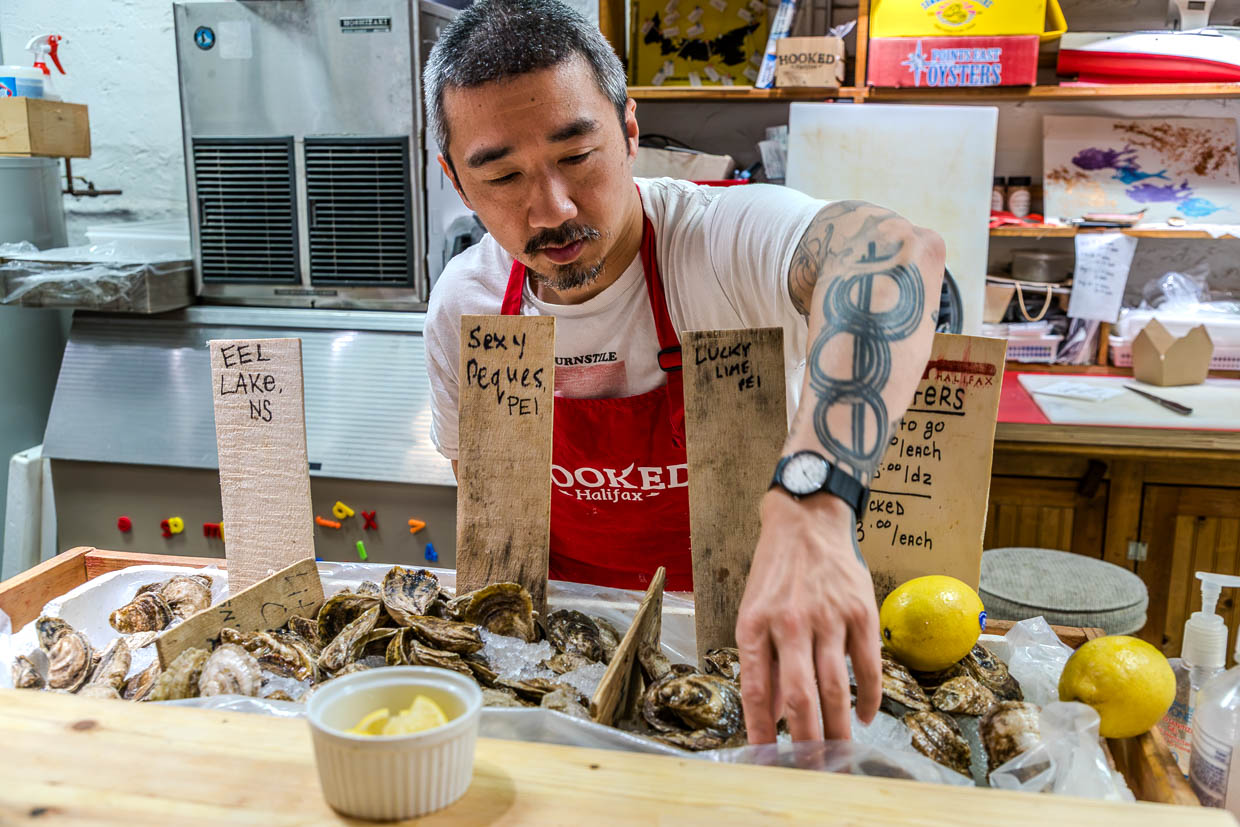
Every Saturday, the Farmers’ Market opens at the Alexander Keith’s Brewery, a building around 200 years old at 1496 Lower Water Street. More than 65 traders offer produce from the countryside, cheese, fish, baked goods, chocolate and handicrafts. Musicians play and the atmosphere is relaxed. In the basement, stalls prepare dishes from international cuisines, and those who fancy it can sip on fresh oysters. Right by the entrance, there’s a metre-long selection of baked goods from The Mediocre Bakery: from pretzels to plate-sized cinnamon buns.
Fishcake at the Black Sheep
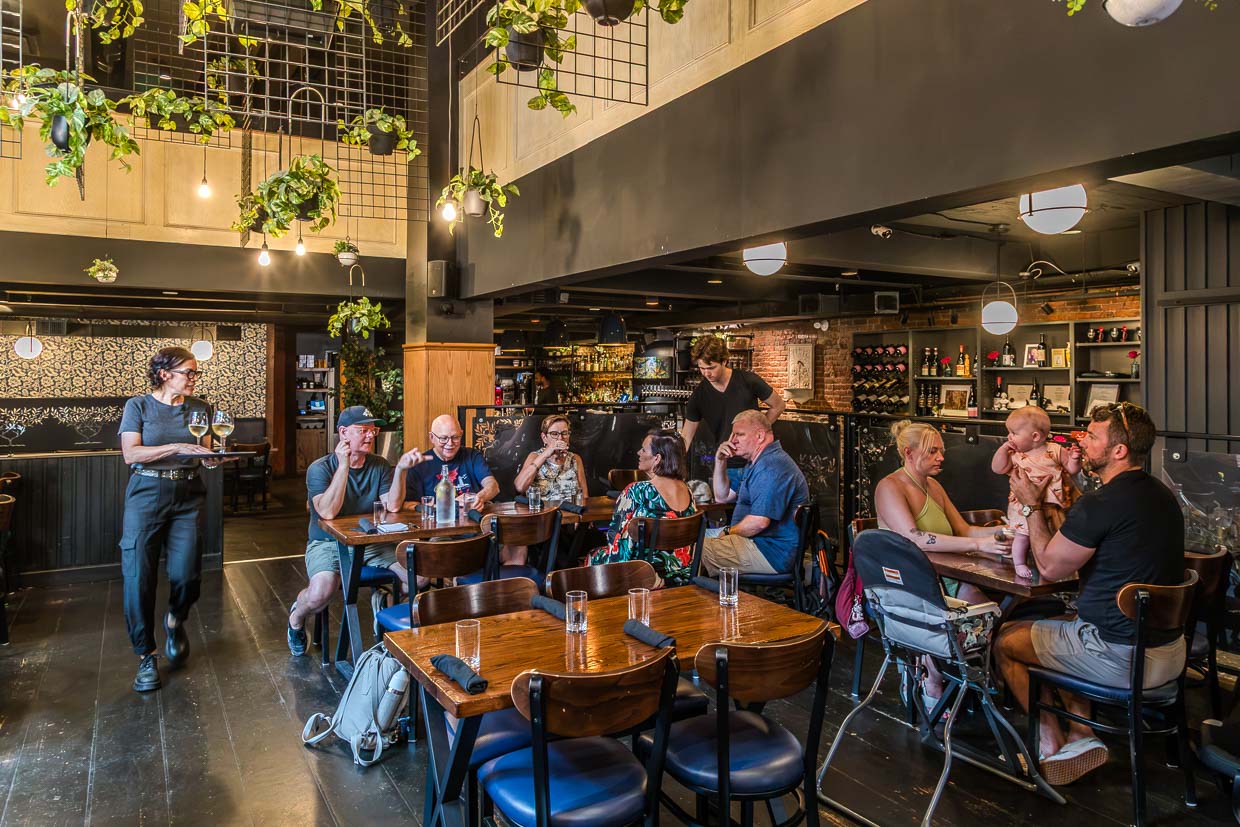
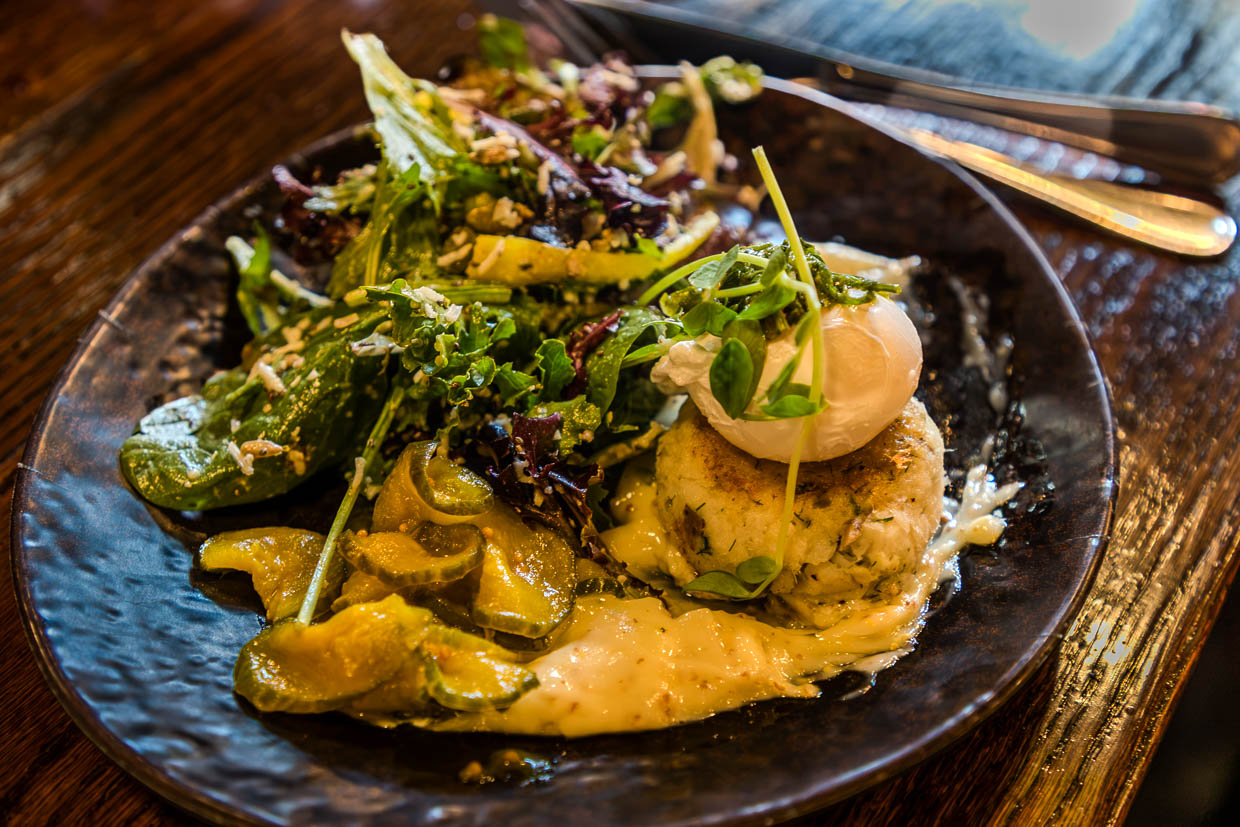
The Black Sheep is also located in the Alexander Keith’s Brewery building at 1496 Lower Water Street. Anyone who misses the market on Saturday morning can console themselves with a good meal at the Black Sheep. For lunch, they serve fish cakes on a crisp salad with a poached egg. This is accompanied by freshly tapped draught beer. Alternatively, there is of course Tidal Bay: a fresh, aromatic white wine with a Protected Designation of Origin, made exclusively from grapes grown in Nova Scotia.
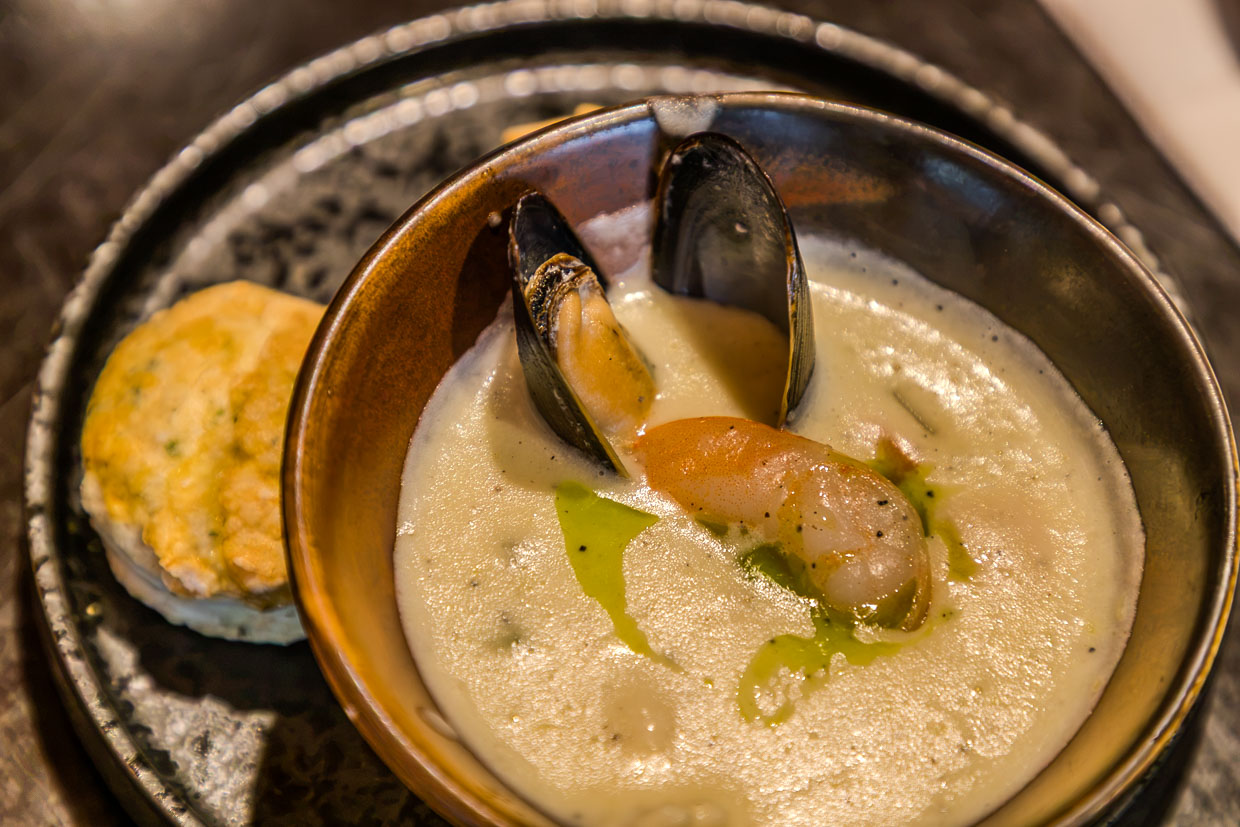
Chowder with molasses butter
The restaurant at the Halifax Marriott Harbourfront Hotel, 1919 Upper Water Street, serves an excellent seafood chowder. It is situated in the hotel’s foyer and is called Harbourstone. It is served with a homemade roll and whipped molasses butter. Delicious.
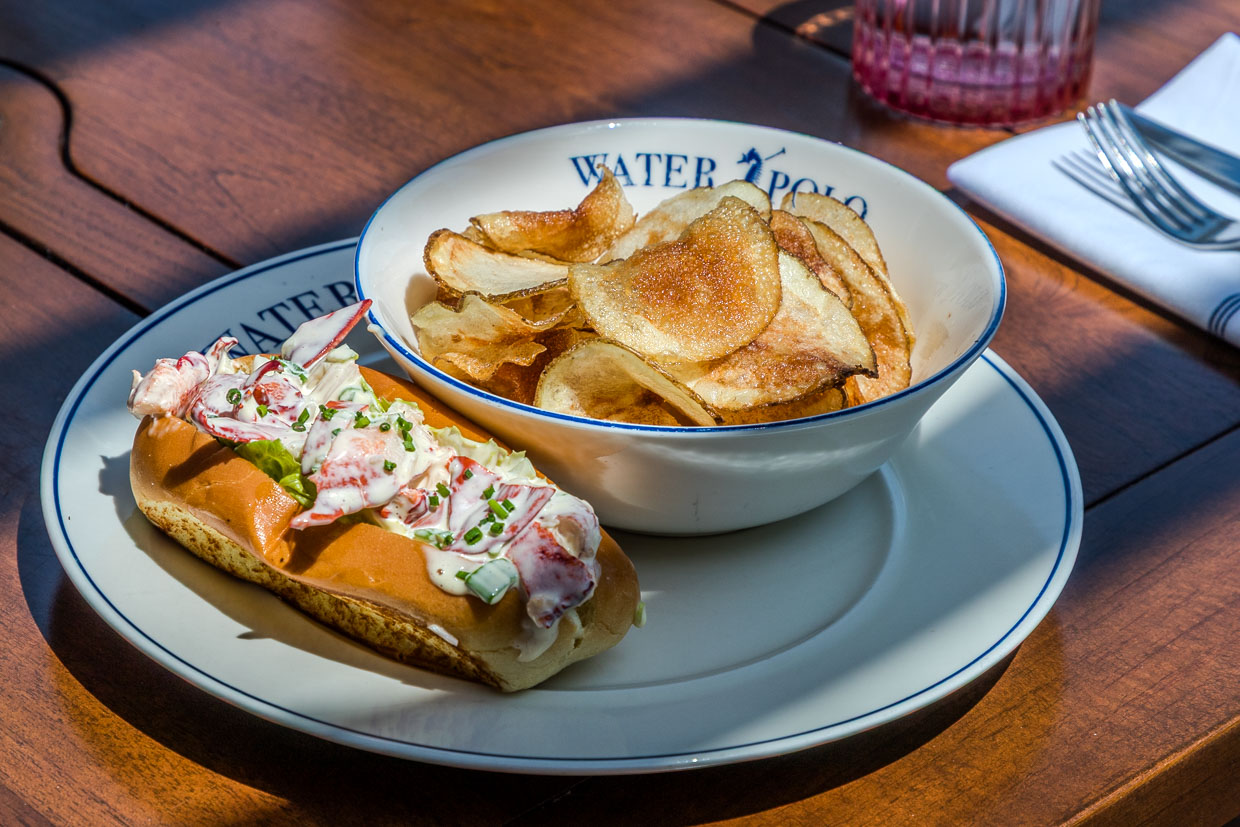
Lobster roll with a view
The Water Polo is situated right on the waterfront, in the Cunard district, at 126–1341 Lower Water Street. The dining room is designed to resemble a yacht and offers unobstructed views of the harbour. You can watch the tourists strolling by, see Georges Island as a patch of green in the water and enjoy an excellent lobster roll.
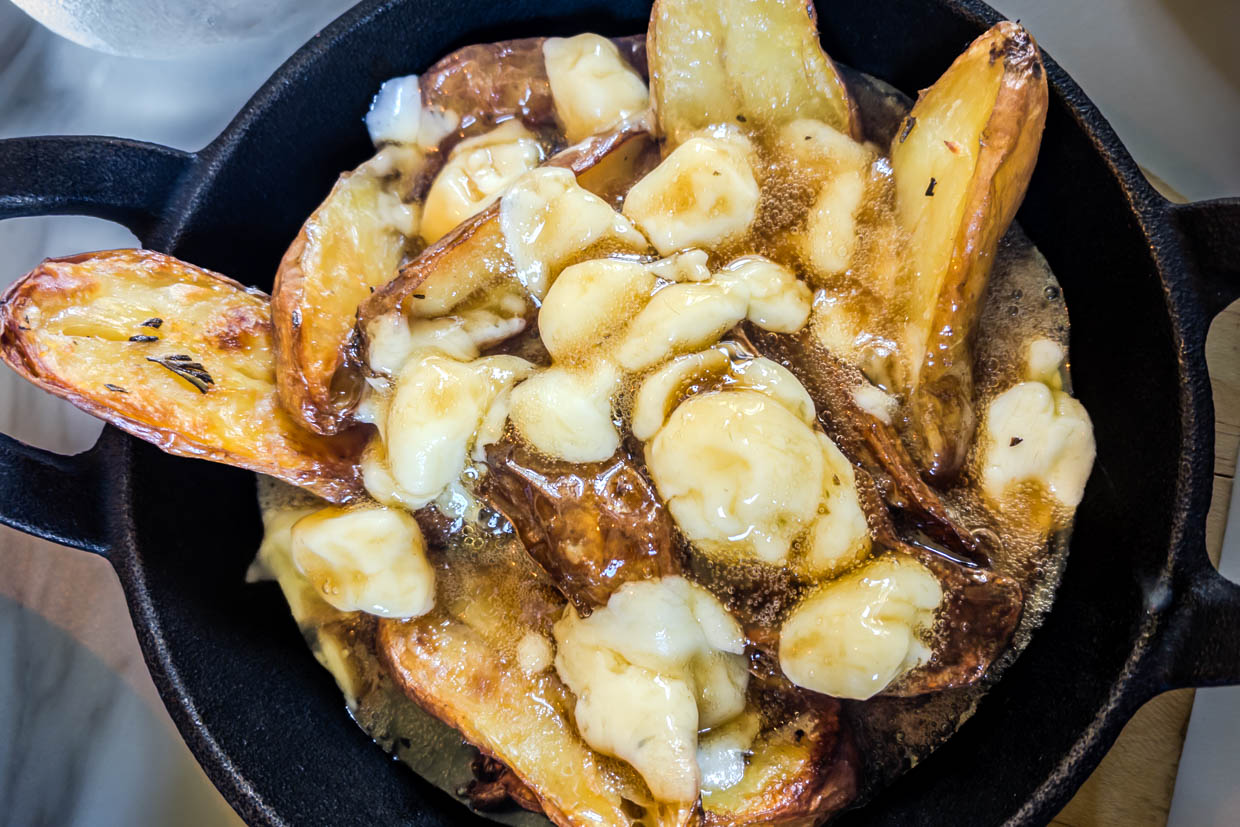
Poutine: hearty and satisfying
At the food stalls along the waterfront, it’s well worth trying a dish that Canada likes to claim as its own: poutine. It’s regarded as a sort of unofficial national dish. Freshly fried chips form the base. This is topped with hot brown gravy, along with cheese curds, which soften in the heat and squeak when chewed. The dish originated in the 1950s in Québec. It’s thoroughly filling and warms you up on chilly days.
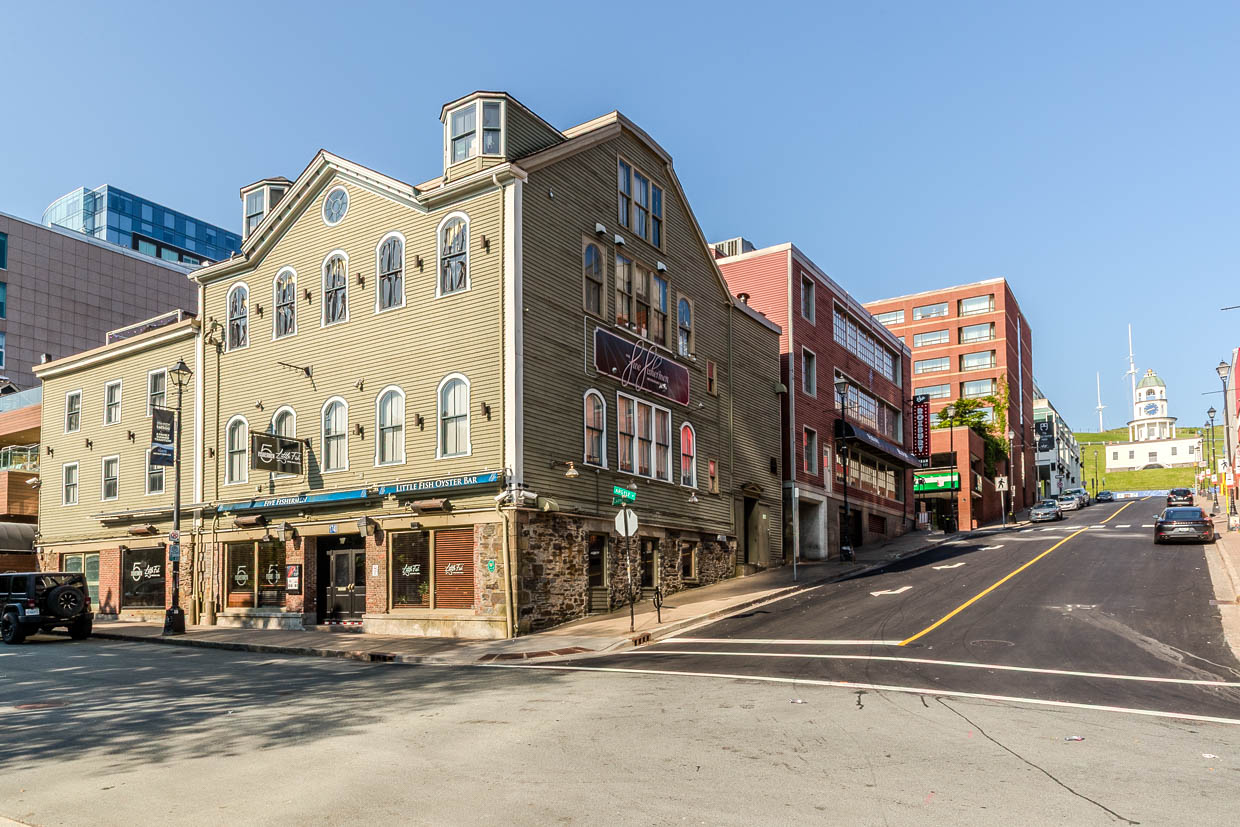
The Five Fishermen and the Dead of Halifax
The Five Fishermen, 1740 Argyle Street, right in the city centre, is one of the oldest establishments in the city’s dining scene. The food is good, the history of the establishment bizarre. In 1912, the John Snow & Co. funeral parlour was located here. Following the sinking of the Titanic, the dead were brought here, including John Jacob Astor. Five years later, following the great explosion of 1917 in Halifax Harbour, the bodies piled up once more. The staff tell ghost stories based on these true and harrowing disasters.
Chocolate from the south of France
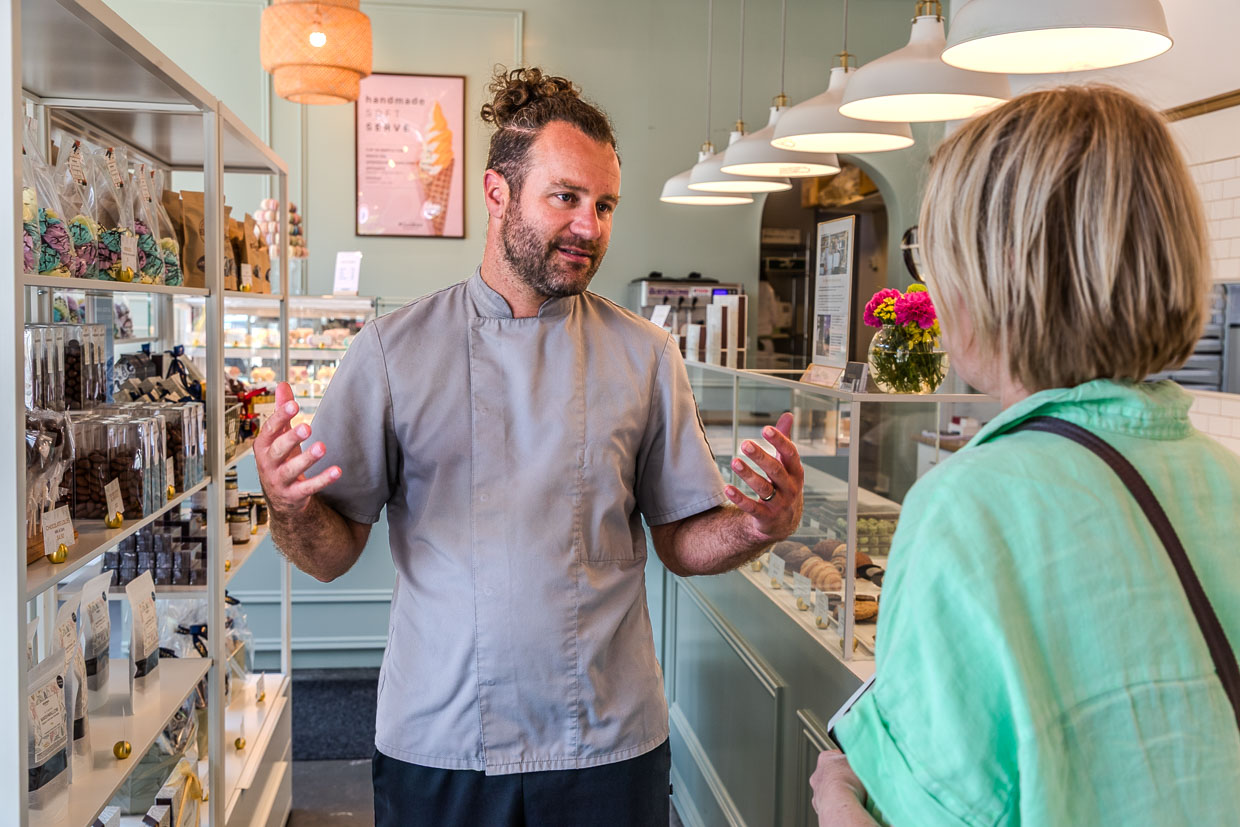
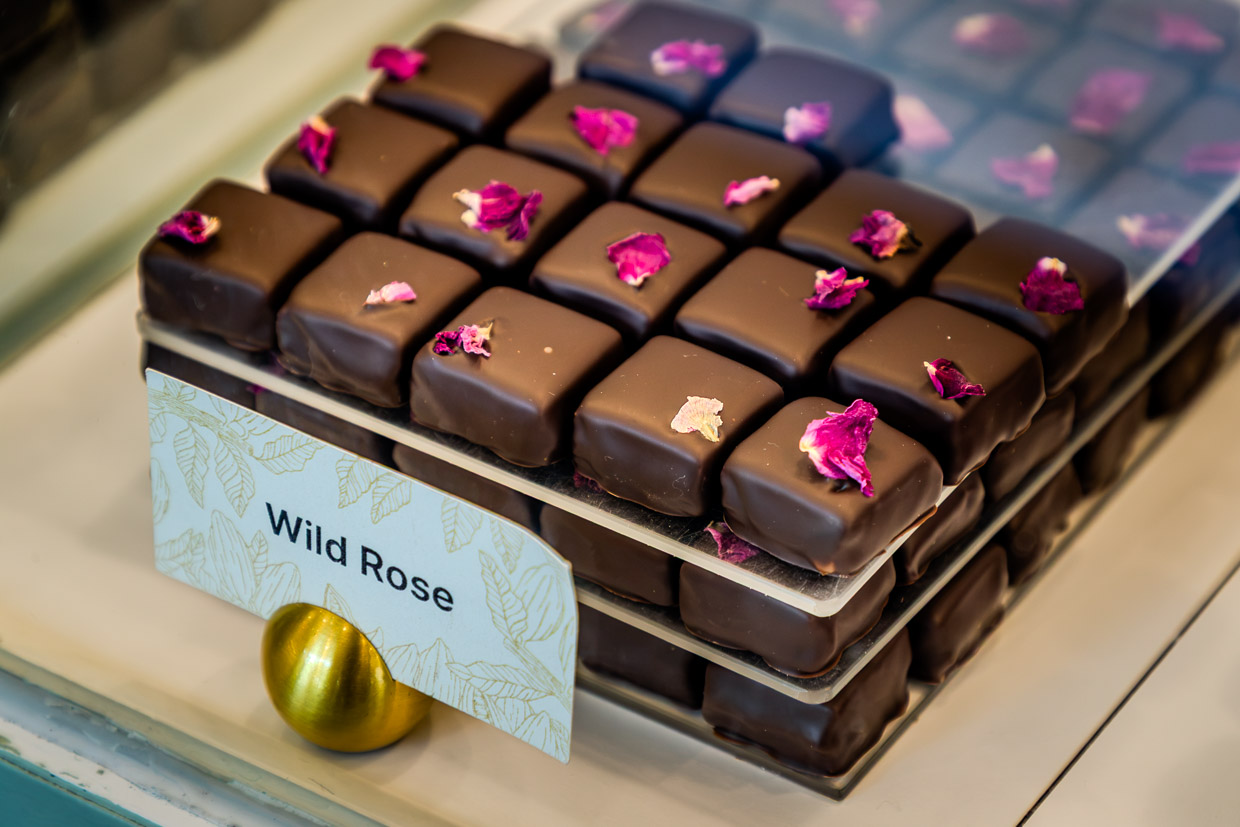
Rousseau Chocolatier, at 5151 South Street, is situated in a corner shop set back from the main street. Julien Rousseau hails from the south of France and makes his pralines by hand on the premises. Together with his partner Nathalie Morin, he has been running the shop since 2014. Among the specialities is a caramel with spruce tips. In 2025, the shop won two prizes at the Academy of Chocolate Awards in London, including for pralines with savory and with lavender from Nova Scotia. They also offer French macarons and refreshing sorbets on hot summer’s days.
Across the water to Dartmouth
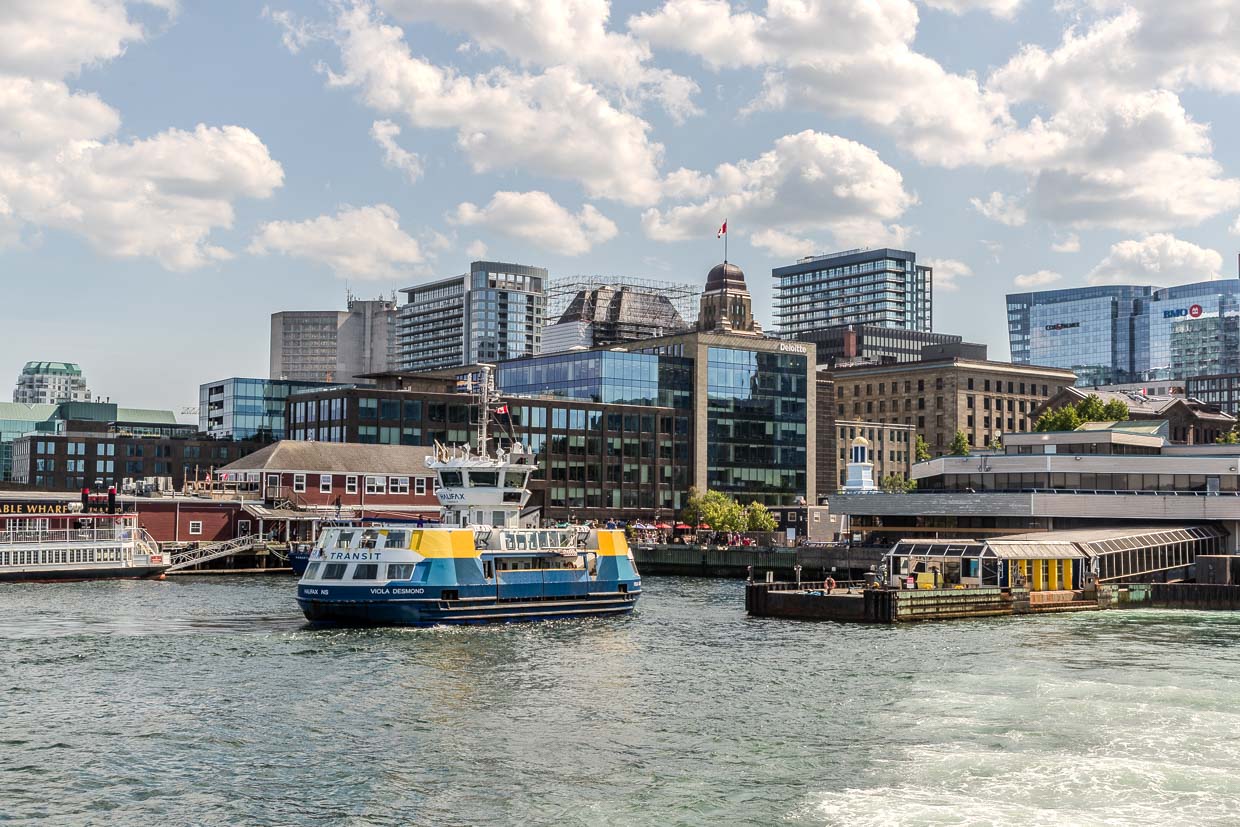
If the waterfront isn’t enough for you, hop on the ferry to Dartmouth. It is the oldest saltwater ferry service in North America and departs from the waterfront several times an hour, opposite the Maritime Museum. The crossing is well worth it for the skyline alone: from the deck, it looks its very best. The ferry docks at Alderney Landing, a cultural centre with a weekend market. Right next door, Evan’s Seafood serves fish and chips with a view of Halifax. A short walk takes you to Portland Street, the heart of Downtown Dartmouth. History buffs will find a landmark in the Quaker Whaler House. The pub crawl, complete with culinary delights, continues here.
More about Nova Scotia
In Atlantic Canada, lobster was long considered a poor man’s food. Today, the lobster roll is a national symbol. Anyone wanting to know how the catch is made should join a night shift: Lobster Fishing in Nova Scotia shows what stock conservation means. Canada is also the land of maple syrup. Most of it comes from Quebec, but Nova Scotia also taps sugar maple trees. In Halifax, the provincial capital, there’s plenty on offer. The culinary guide to Halifax points you towards the best places to eat. But the city offers more than just food. The sightseeing guide ranges from the 7 Virtues perfume workshop to the immigration tour at the Museum of Immigration at Pier 21. Halifax has also been the scene of several tragedies. When the Titanic sank in 1912, it was the nearest major port. Many of the victims were brought here. At Fairview Lawn Cemetery, their graves serve as a reminder of the disaster. The skies are becoming clearer. The Deep Sky Eye Observatory offers views of the Milky Way at North America’s first Starlight Destination. Stargazing at sea level here means: mosquito repellent for the Milky Way.
This research was supported by Visit Nova Scotia