
All’s well that ends well! Hedwig Courths-Mahler
A new novel tells the story of Hedwig Courths-Mahler’s life and reminds us what it cost women to want to write
Wait a minute! Photos on Tellerrand-Stories
- The Cyberstar – A forgotten competition
- German National Library forgets nothing
- Paris is looking for cemetery sponsors
- The original disappears
- Germany can’t you see that? A warning call.
- WOMAN of the world
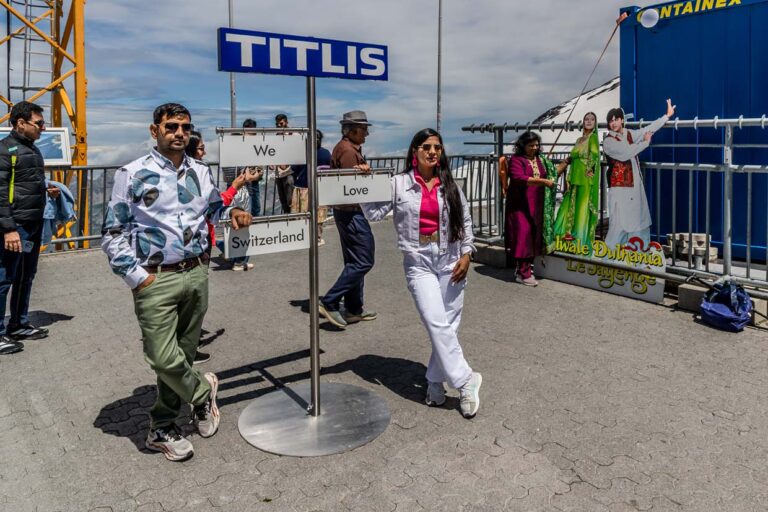
- Titlis – summit of dreams
- Museum on prescription
- Rim of the plate, nose or the frog in the well
- The Rochefort transporter bridge
- Who invented the oasis behind the picket fence?
- Own the blank page or how to become Photo of the Month
- Repressed history: the Aryanization memorial in Bremen
- Whale watching
- Kobra’s remote mural
- Swinging Old Lady of Curaçao
- Selma Lagerlöf in Landskrona
- Paint spraying Rembrandt
- Nobel sightseeing in Stockholm
- Enlightenment on ailing rails
- Torre del Gringo Loco
- Paula in Paris, Chicago, Bremen
- Hello Coolcation! Goodbye Sommerfrische.
- Stockholm and art in the underground
- Stalactites below Gozo
- Joe Biden’s controversial cannibal anecdote
- Architectural highlight in Tbilisi
- HR Giger’s Alien in the Castle
- Detroit Institute of Arts
- Strong women
- The grim secret of the Tellerrand stories
- Phone booth for mobile calls
- Michigan Central Station
- Lametta in Valletta
- Frequent flyer with a message
- Political Street Art in Georgia
- Everyone wants stollen!
- African Parks in Malawi
- Baobab – Tree of Life
- Büyük Han Coffee Club
- Rare tulips in Cyprus
- A Tesla is a Tesla. Who is Tesla?
- Cheating during Lent
- Prison with a great View
- The home and the climate
- Louis Vuitton scores with Yayoi Kusama
- Hidden object with Cristiano Ronaldo
- Soccer idols on murals
- Laugh in Translation
- Candle stubs and Coronation Ceremonies
- Something warm man needs
- World Cat Day without cat
- How Iceland changed the world
- Simplicity day
- Montpellier celebrates
- Trading on top
- Spiders on the phone
- Sleep day
- Dead Zone at Charcoal Fire
- Concealed art
- Soundtrack of the Day
- Leader Sheep
- The P word
- The wish stone
- Troll or dino?
- Outdoor pool
- Under Cover
- Crazy Reykjavik
- Geldingadalir
- Everyone is a monument
- What is the rabbit doing in the moon?
- Nature and monument
- Monument in the country
- Monument and city
- Monument and art
- Menu for lunch break
- Bus stops and architecture
- War and energy
- Wedding
- The tank Polemos
- Fortnum & Mason – Department store in London
- Oskar Reinhart Collection in Winterthur
- Typical Japan – Professions and Vocation
- Indigenous People Day
- View to Kassel for documenta14
- Diamond Rush in Sierra Leone
- The village trutz


![Verwaister Arbeitsplatz eines Fotografen, dessen Job die KI übernommen hat [KI-generiert (gemini)]](https://en.tellerrandstories.de/wp-content/uploads/sites/2/2026/02/cameraRechenzentrum-768x515.jpg)