Halifax is the capital of Nova Scotia and also the gateway to the wild natural landscapes of Atlantic Canada. Most visitors begin their journey here. Cruise ships also dock in the harbour. For ships from Europe, it is the first point of landfall on the continent. This location has made Halifax a strategically important stopover for seafaring for centuries. The city’s history tells of hope and new beginnings, but also of disasters. Halifax was the nearest port when the Titanic sank in 1912. In 1917, the largest man-made explosion of its time tore through the city at the harbour. Between 1928 and 1971, almost a million immigrants disembarked at Pier 21. If you’re curious and have a bit of time to spare, you’ll discover fascinating museums, a citadel with a daily cannon salute, North America’s oldest saltwater ferry, and the 7 Virtues perfumery, which has made peace its business model. The distances along the Halifax waterfront are short, but there’s plenty of variety. Seven stops for a day – or better still, two.
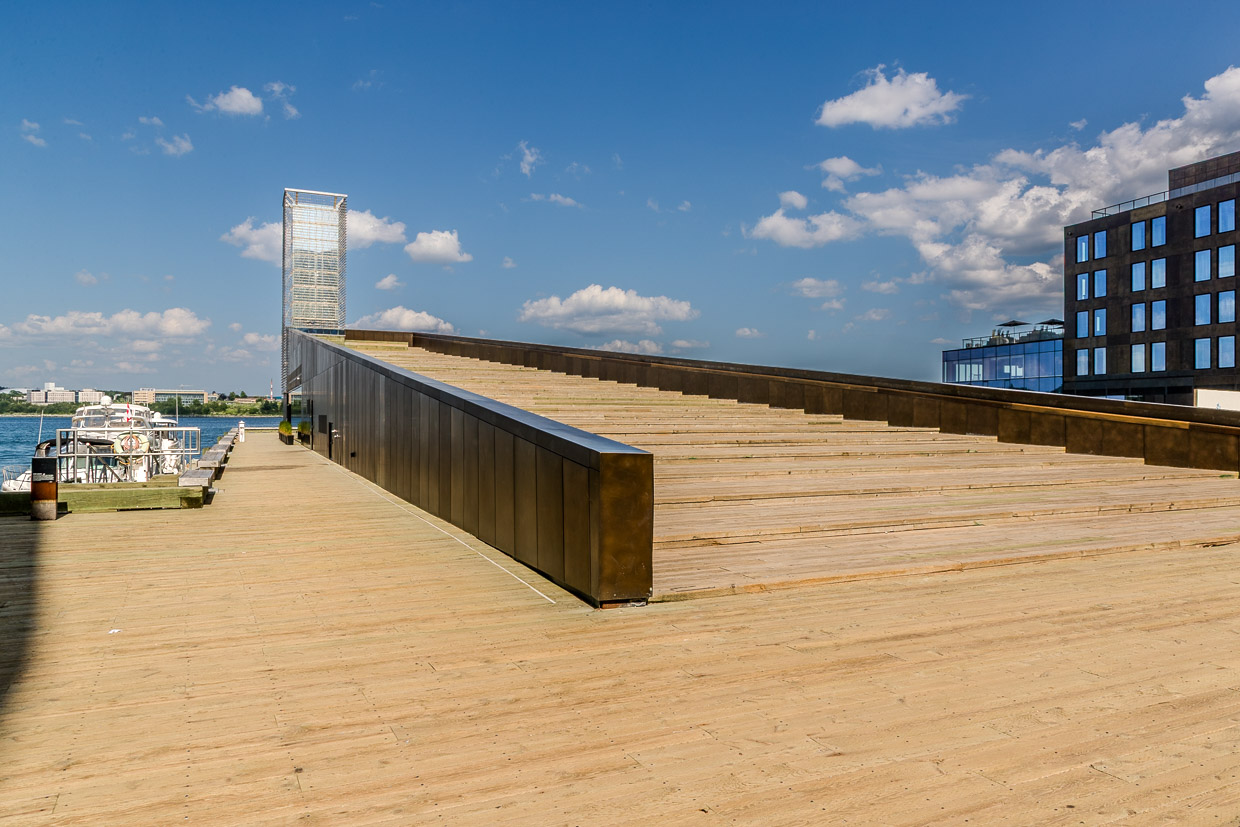
Halifax Waterfront
The waterfront promenade is the backbone of the city. Its wooden planks stretch uninterrupted for 3.8 kilometres, from Pier 21 to Casino Nova Scotia. Along the way are the Historic Properties, old warehouses where traders not only conducted their business but also organised smuggling. Today, they house shops and restaurants. There’s also the Queen’s Marque, with public art and spacious squares, as well as museums and jetties. If you want to see everything, you’ll need a day. If you’re just strolling along, about an hour will do.
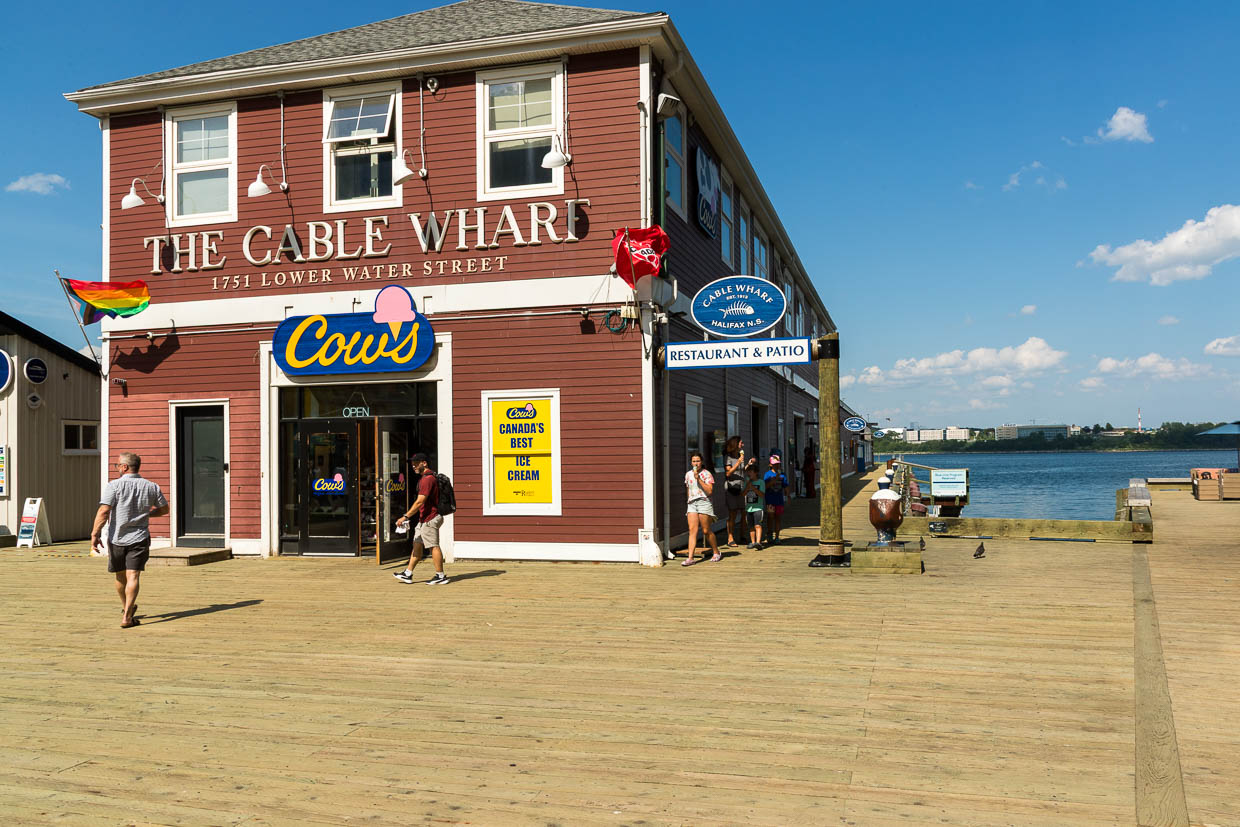
Sightseeing works up an appetite, and sea air even more so. There are good restaurants along the Halifax Waterfront and in the shopping streets behind it. Here are a few food tips.
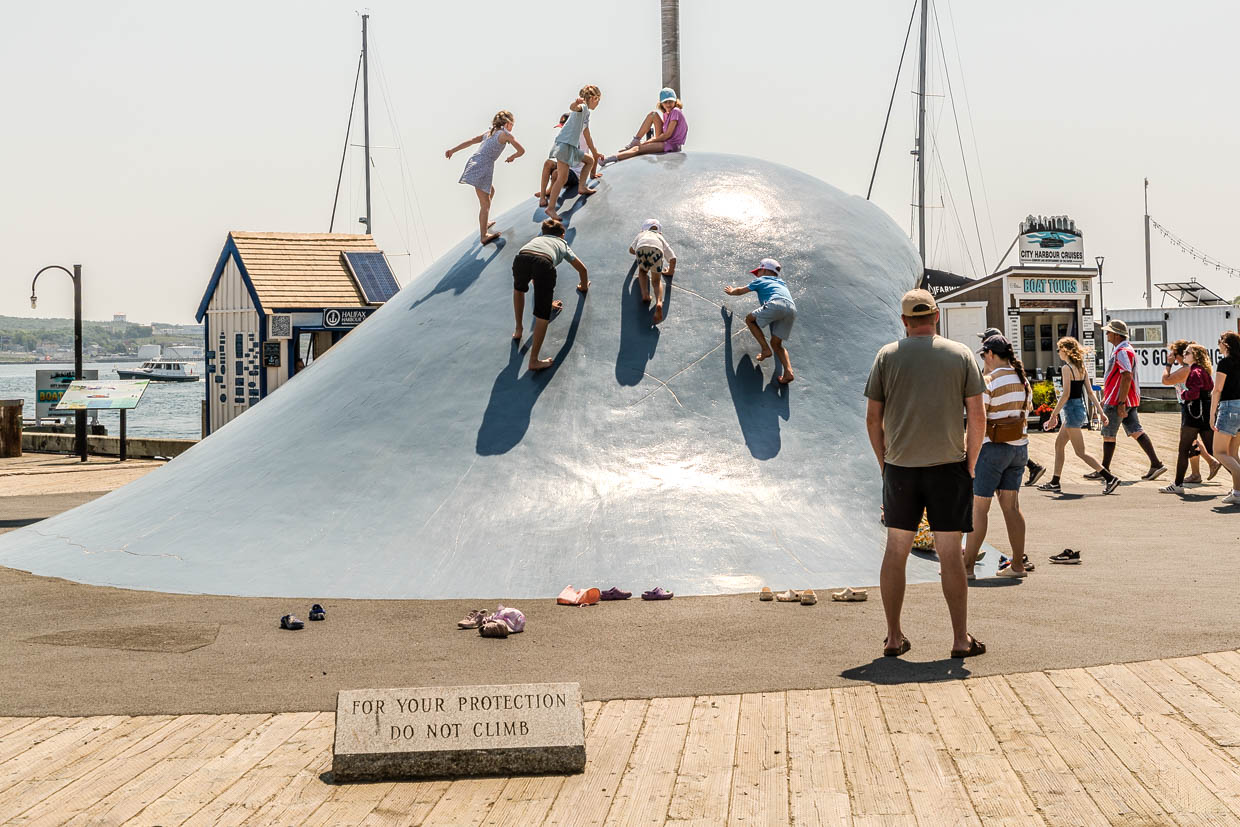
Maritime Museum of the Atlantic
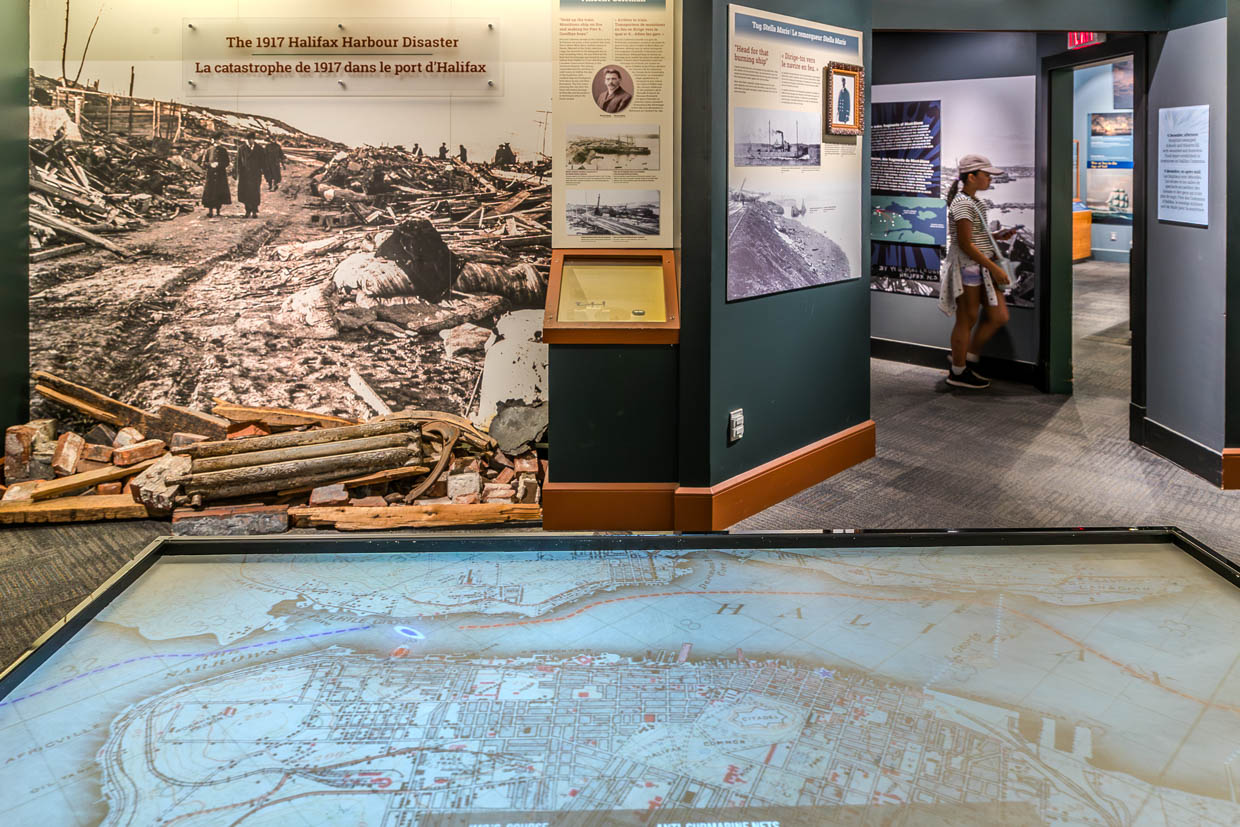
The museum is regarded as Canada’s largest and oldest maritime museum. It is dedicated to two disasters. The Titanic exhibition displays artefacts from on board, organised by passenger class. The collection is so extensive that the makers of the 1997 film studied it in preparation. The 1917 Halifax Explosion also has its own section, complete with fragments of the munitions ship Mont Blanc. Around 2,000 people died and some 9,000 were injured. The Titanic exhibition on the first floor is the main attraction, but the museum also tells the story of fishing and maritime traditions. Outside on the quay lies the CSS Acadia. It was built in 1913 as a research vessel. Its main tasks included surveying and charting coastlines, sea depths and shipping routes, including in Hudson Bay, along the Labrador coast, in the Gulf of St Lawrence and off the coast of Nova Scotia. During the First and Second World Wars, it served as a patrol and escort vessel. Later, it became a training ship and is now part of the Maritime Museum. 1675 Lower Water Street
Canadian Museum of Immigration at Pier 21
The promenade ends at Pier 21, and it was precisely here that a new life began for many people. Between 1928 and 1971, Pier 21 was one of the most important arrival points for immigrants in Canada. After the Second World War, the pier became the country’s busiest seaport for arrivals. Nearly 400,000 returning Canadian soldiers also disembarked here. The museum works with eyewitnesses. Short films recount individual stories, whilst maps show almost all the shipping routes between Germany and Canada. Owing to its significance, the museum is one of Canada’s national museums. 1055 Marginal Road
Art Gallery of Nova Scotia: Maud Lewis
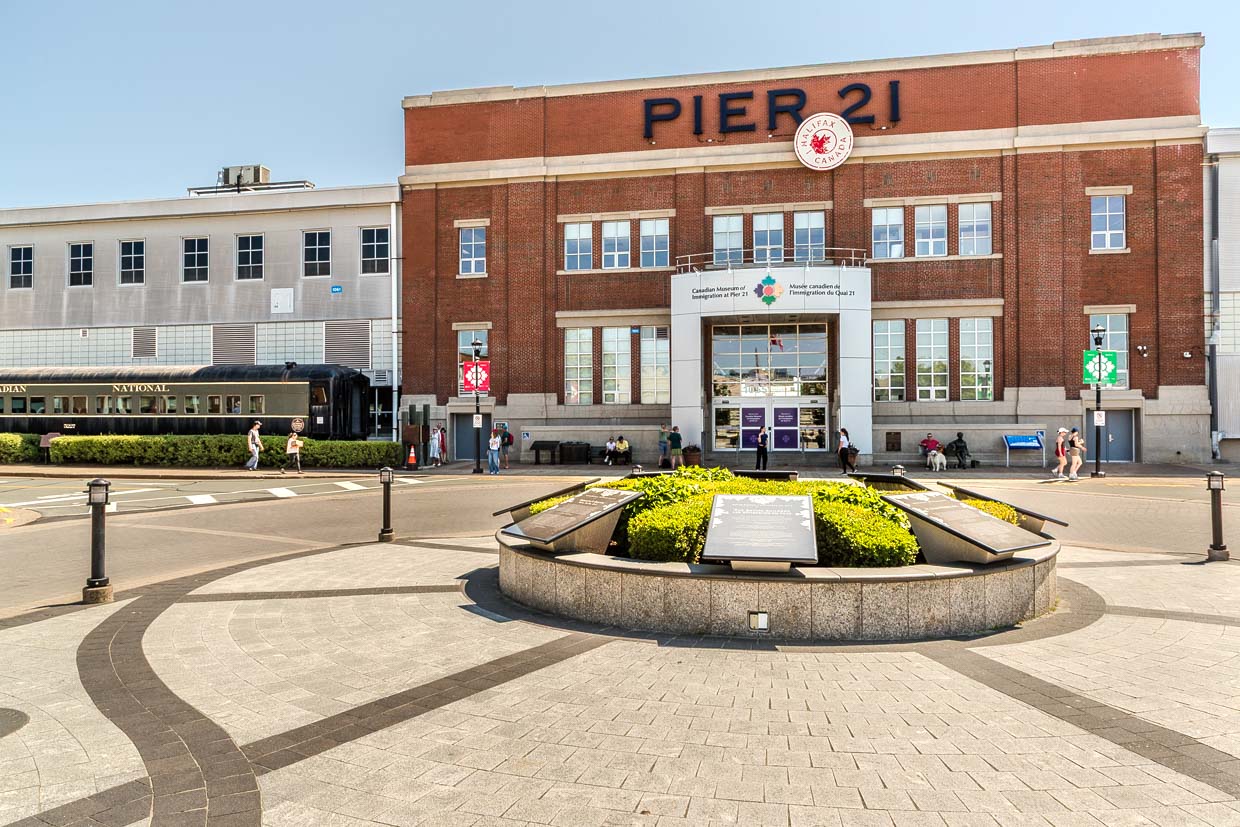
The Art Gallery of Nova Scotia exhibits Canadian art, with a particular focus on art from Atlantic Canada. The collection ranges from historical and Indigenous art to contemporary works. A key focus is on regional folk art, such as the works of Nova Scotia artist Maud Lewis. Her house is smaller than many a living room, yet it attracts visitors from all over the world. Maud Lewis was born near Yarmouth in 1903 and died in 1970. Rheumatoid arthritis distorted her hands and limited the size of her paintings. She painted animals, flowers and coastal landscapes in bold colours. Her most famous work, however, is the one-room cottage in Marshalltown – without electricity or running water – which she painted both inside and out. The province purchased it in 1984. The Art Gallery dismantled it and rebuilt it in the museum. It has stood there permanently since 1998. Next to it hang paintings and objects from her life. 1723 Hollis Street
7 Virtues Parfum Atelier
Modular perfumes. Barb Stegemann founded her brand in 2010; its essential oils are said to come from farmers in conflict-affected regions. In the atelier at Queen’s Marque, modelled on the workshops in Grasse, the mostly female visitors blend their own fragrances. A new, personalised composition is created from the building blocks of existing scents. 1709 Lower Water Street, Unit 1

Halifax Citadel
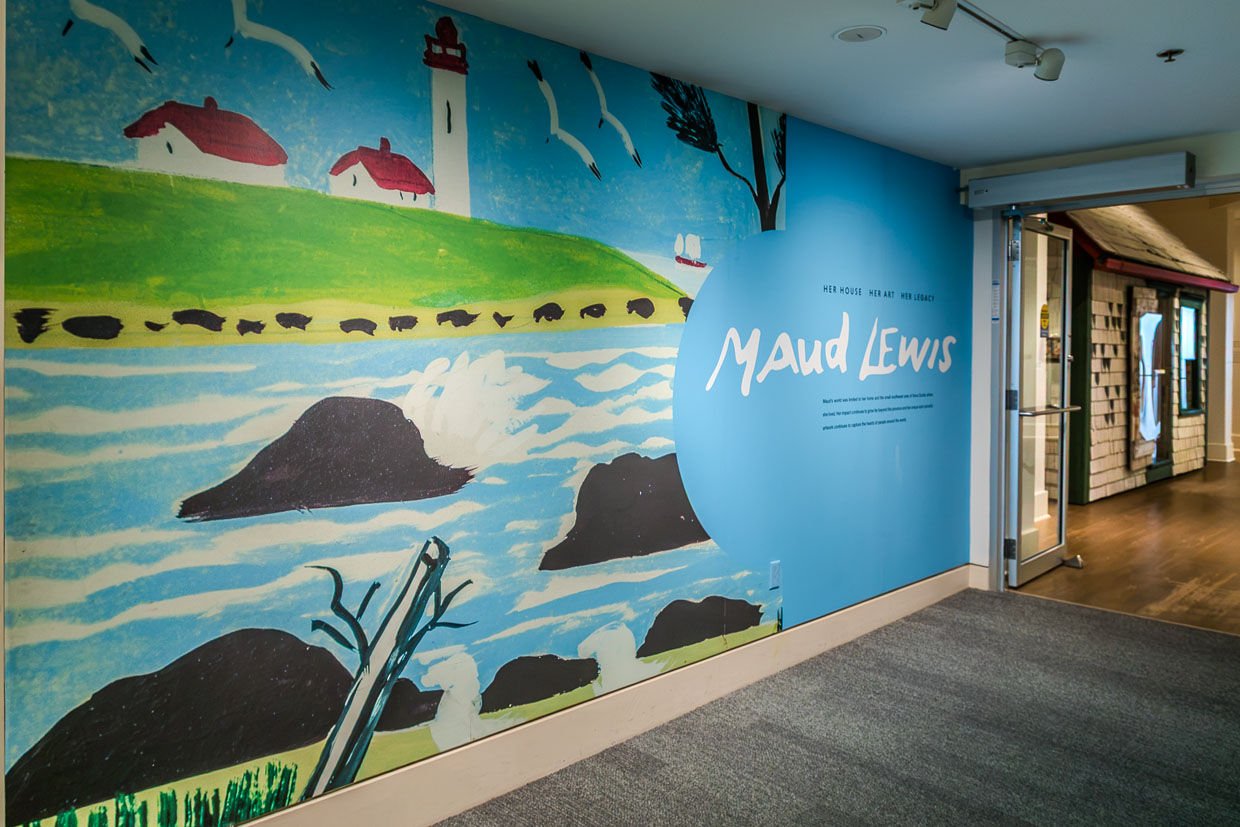
The fortress on the hill in the heart of the city has never been attacked. The present-day stone structure is already the fourth building on this site. The first three were made of wood. Construction took place between 1828 and 1856. The fortress was intended to deter an attack by land. Today, re-enactors in historical uniforms guide visitors through the daily life of the garrison. And every day at twelve o’clock, a gunshot is fired. The midday gun has been a tradition since at least 1856.
Ferry to Dartmouth
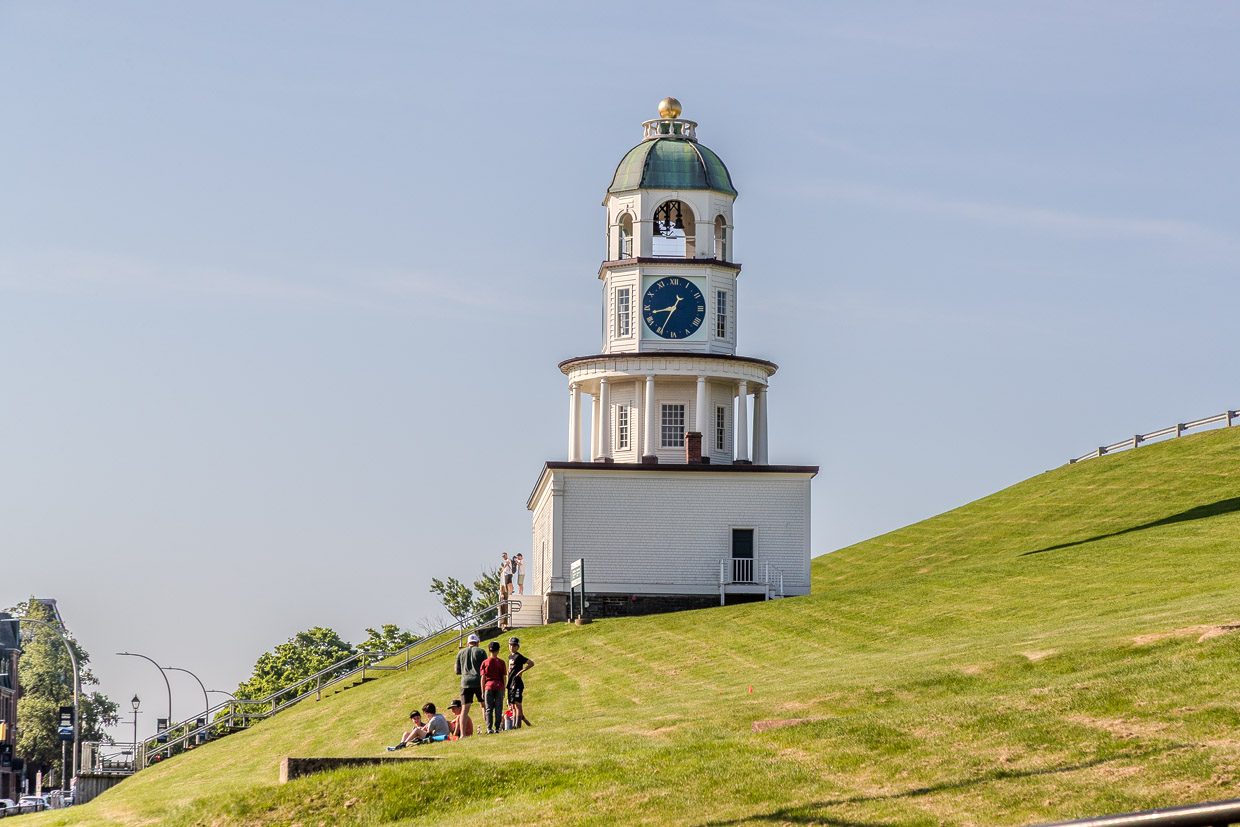
The crossing is short and a firm fixture on the itinerary. The service has been running since 1752 and is considered the oldest saltwater ferry in North America. It all began with a rowing boat. A man would take passengers across the harbour for three cents. Today, Halifax Transit ferries travel about two kilometres to Alderney Landing. There, visitors will find a market, an art gallery and a theatre, as well as a view back towards the skyline.
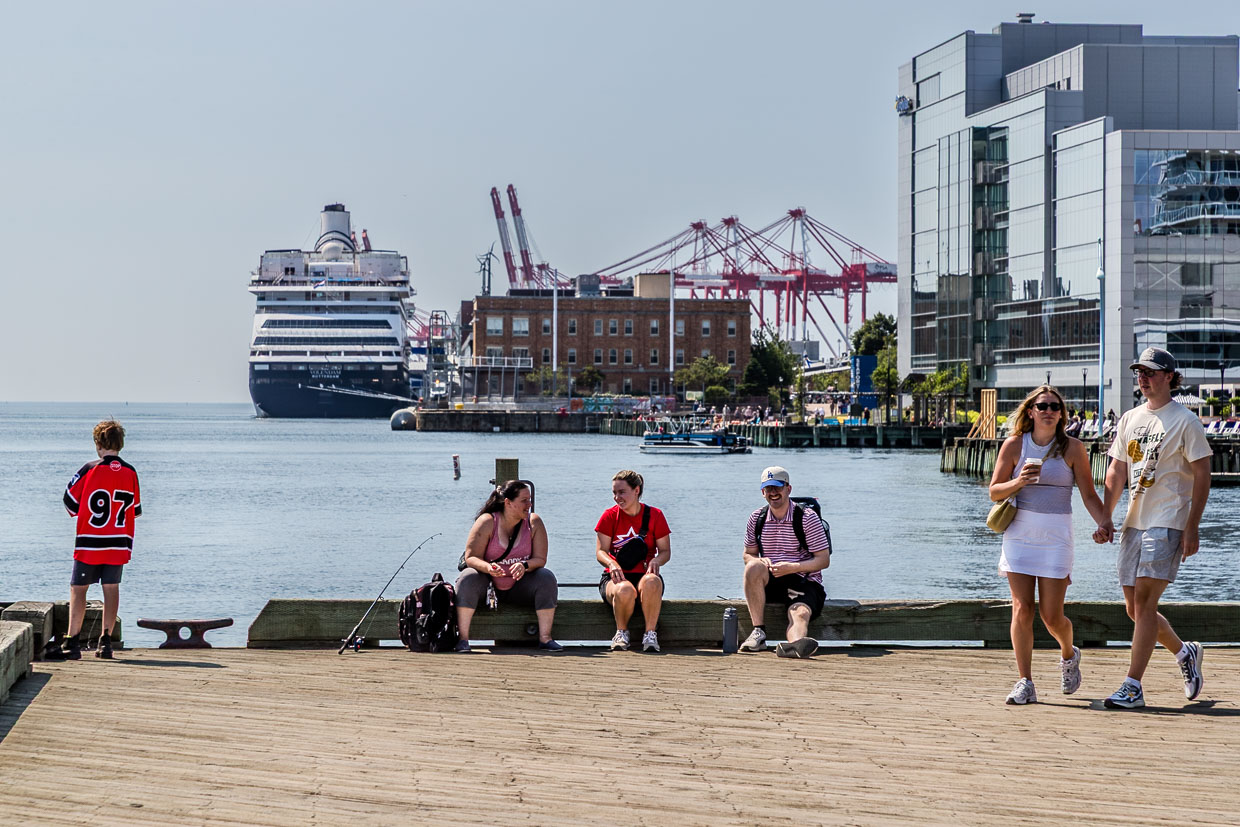
Halifax and the surrounding area
Anyone exploring the province of Nova Scotia from Halifax will need a car. The following two places are popular sightseeing stops for cruise passengers due to their proximity to Halifax. Here, it’s all about getting up early and beating the crowds.
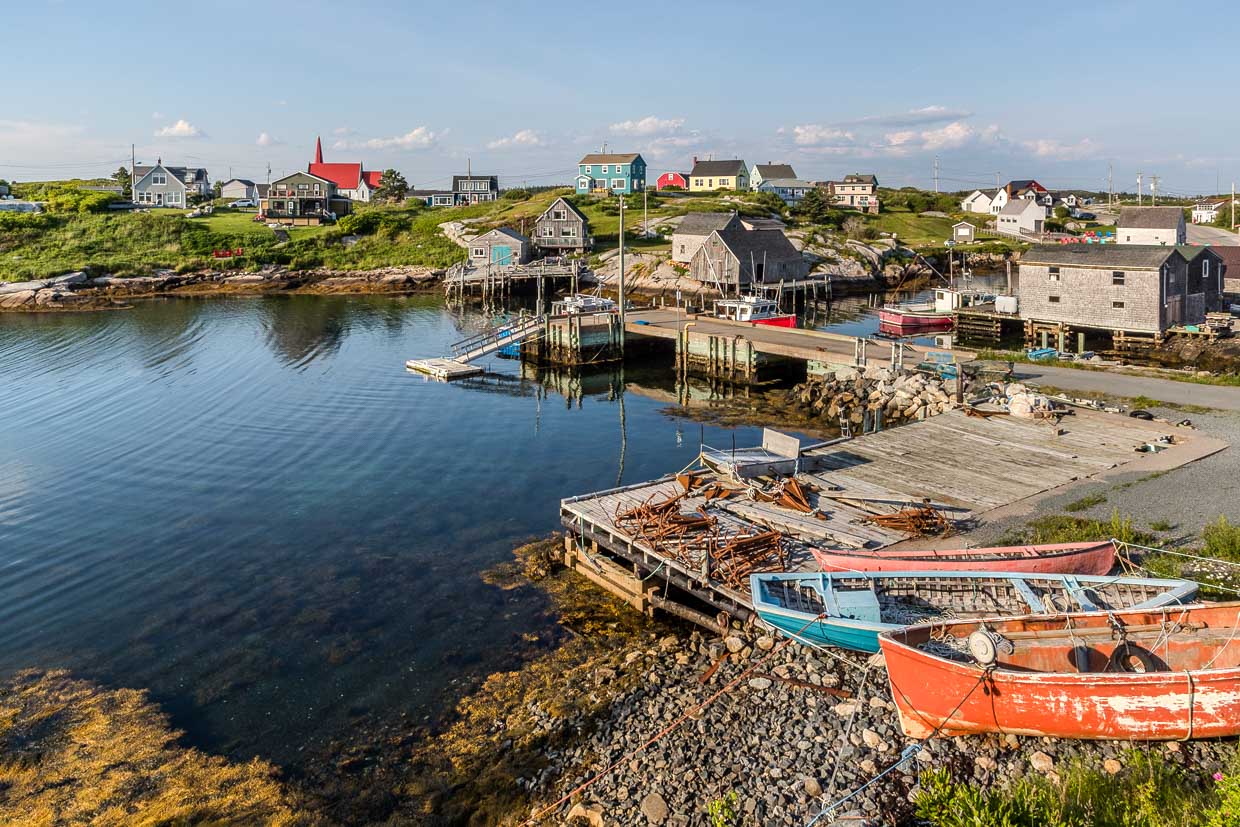
Peggy’s Cove
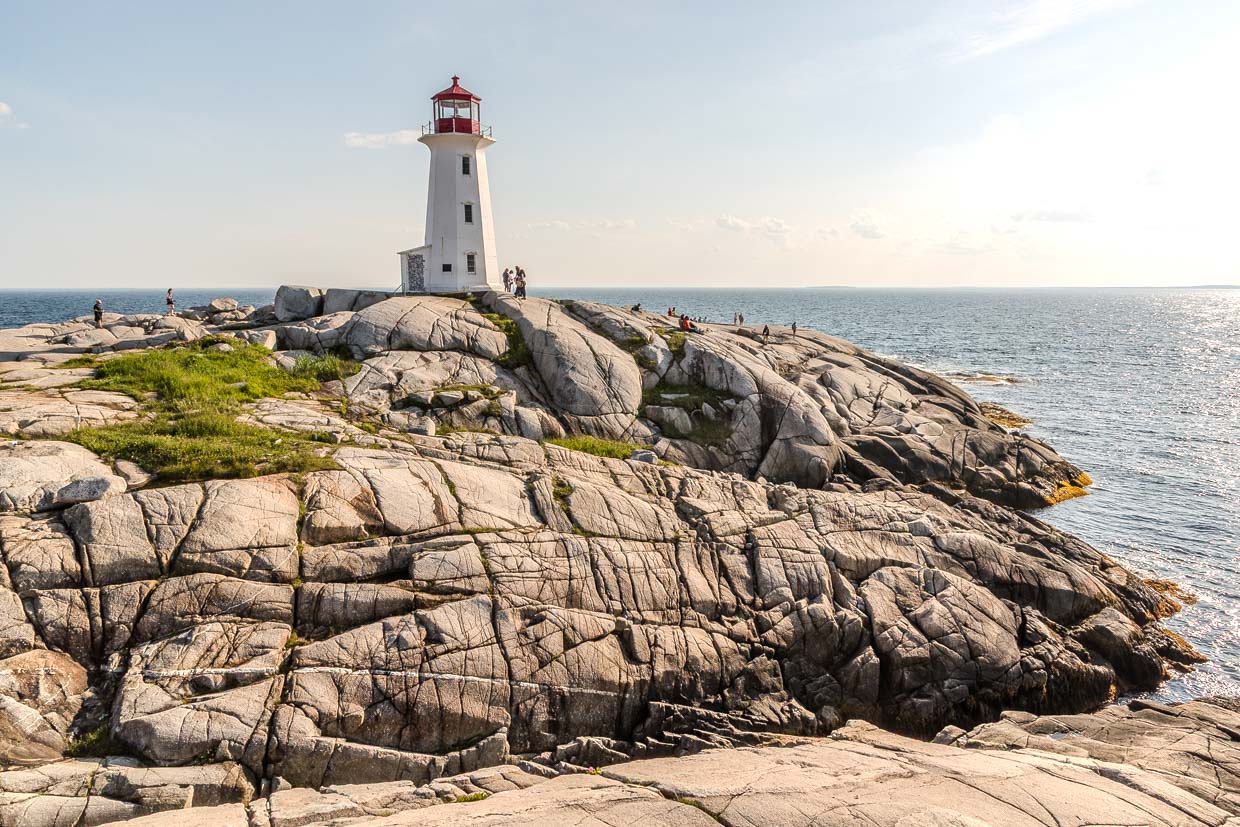
The lighthouse stands on smooth granite cliffs and is the province’s most photographed landmark. The red-and-white tower, built in 1915, replaced a predecessor dating from 1868. You cannot go inside, as the lighthouse is closed to visitors. The village is situated around 44 kilometres from Halifax; the journey takes about an hour. There is no regular bus service. A hire car or a pre-booked tour is required. Regarding timing: during the high season, the car parks at the lighthouse fill up quickly between late morning and the afternoon. If you want to take peaceful photos, it’s best to arrive before nine o’clock or check the Halifax cruise calendar.
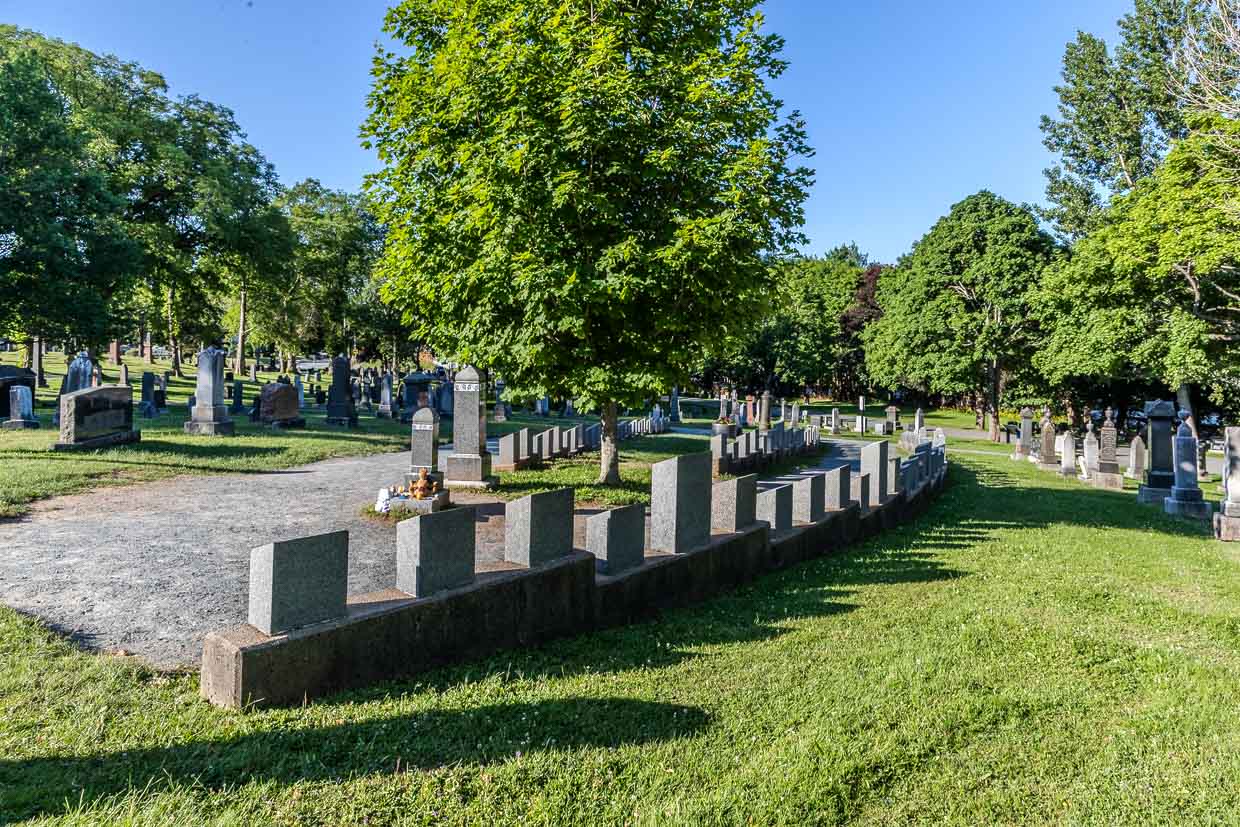
Fairview Lawn Cemetery
This cemetery is the final resting place of 121 victims of the Titanic – more than anywhere else. Why Halifax? Ships from the city recovered the bodies. The White Star Line shipping company paid for the granite headstones. Many bear no name, only the date and the number under which the body was recorded. The graves lie in gently curving rows, modelled on a ship’s hull. The sinking of the Titanic was long regarded as the greatest maritime disaster in human history. To this day, the fate of the luxury liner and its passengers continues to move people. Anyone wishing to visit Fairview Lawn in the peaceful atmosphere of the cemetery will need to get up early. The first coach groups arrive from nine o’clock onwards. Windsor Street, in the north of the city.
More about Nova Scotia
In Atlantic Canada, lobster was long considered a poor man’s food. Today, the lobster roll is a national symbol. Anyone wanting to know how the catch is made should join a night shift: Lobster Fishing in Nova Scotia shows what stock conservation means. Canada is also the land of maple syrup. Most of it comes from Quebec, but Nova Scotia also taps sugar maple trees. In Halifax, the provincial capital, there’s plenty on offer. The culinary guide to Halifax points you towards the best places to eat. But the city offers more than just food. The sightseeing guide ranges from the 7 Virtues perfume workshop to the immigration tour at the Museum of Immigration at Pier 21. Halifax has also been the scene of several tragedies. When the Titanic sank in 1912, it was the nearest major port. Many of the victims were brought here. At Fairview Lawn Cemetery, their graves serve as a reminder of the disaster. The skies are becoming clearer. The Deep Sky Eye Observatory offers views of the Milky Way at North America’s first Starlight Destination. Stargazing at sea level here means: mosquito repellent for the Milky Way.
This research was supported by Visit Nova Scotia