
Hakone is situated in Kanagawa Prefecture, less than a hundred kilometres south-west of Tokyo, in the heart of the Fuji-Hakone-Izu National Park. Hakone-Yumoto is the destination station. It takes just over an hour and a half to get there: take the Shinkansen to Odawara, change trains, and continue on to Hakone. The region is regarded as a day-trip destination for the capital and is, accordingly, well connected. You can really tell.
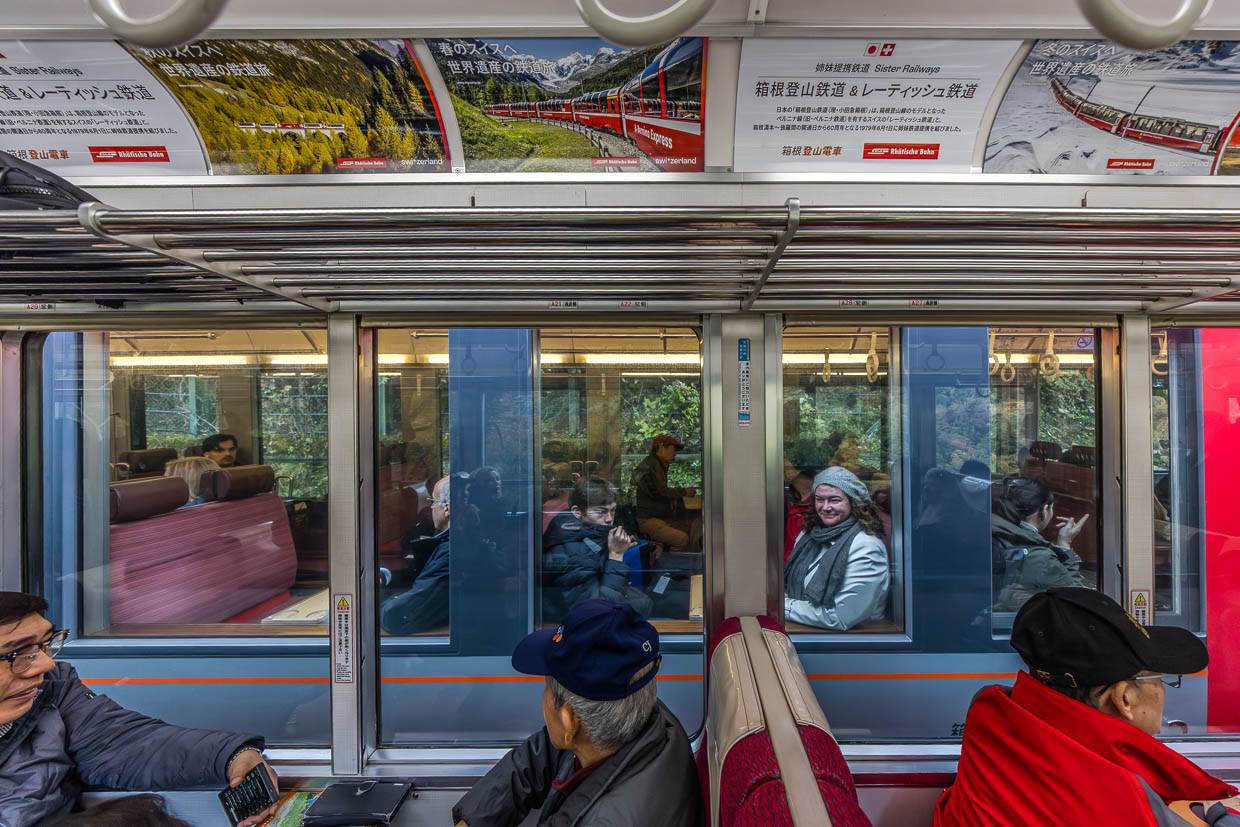
Hakone’s reputation rests on three pillars: the view of Mount Fuji, the hot springs and the art. When Japan’s sacred mountain reveals itself and is not, as is so often the case, hidden behind clouds, Hakone offers numerous vantage points from which to view what the Japanese call the ‘shy beauty’. Added to this are the onsen resorts with their ryokan, where travellers have been recuperating since the Edo period from the rigours of the arduous trade route, the old Tōkaidō. Japan’s first resort hotel was also built in Hakone in 1878. The Fujiya Hotel in Miyanoshita became a meeting place for international personalities for decades following the opening up of the country. Guests included Charlie Chaplin, Albert Einstein, John Lennon and members of imperial and princely houses.
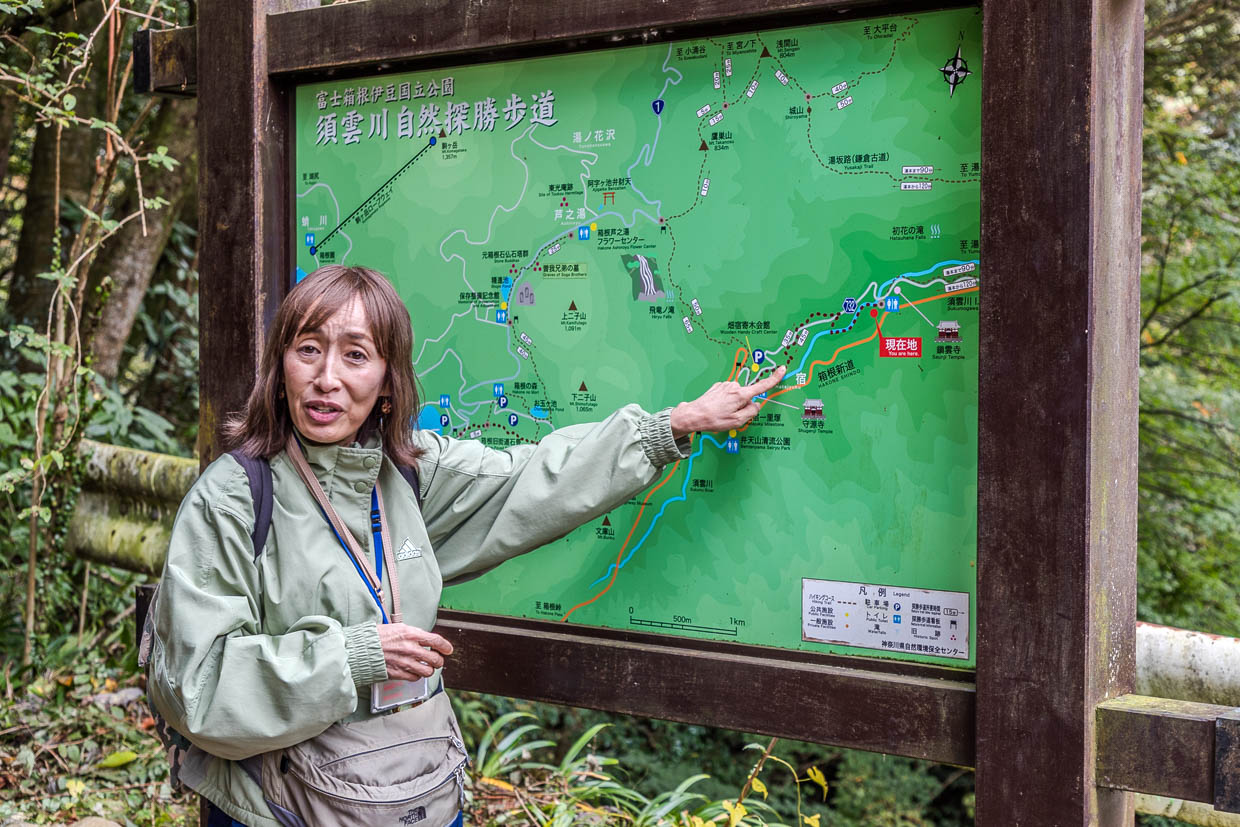
Today, there are numerous large hotel complexes with their own onsen baths to meet the enormous demand. Furthermore, museums such as the Hakone Open-Air Museum – Japan’s first open-air museum – attract visitors with sculptures by Henry Moore and its own Picasso Pavilion – something the region is proud of. Those staying longer will also discover the Pola Museum of Art, the French gardens in Gora Park and, in autumn, entire hillsides ablaze with the red of maple leaves. Its international art scene makes Hakone a popular short break destination from the megacity of Tokyo. Travellers seeking a typically Japanese experience would do better to focus on everything to do with volcanism: Mount Fuji, the sulphur fields of Ōwakudani, the well-maintained hiking trails and the region’s many onsen hotels.
If you want to combine these attractions in a single day, the Hakone Free Pass is pretty much a must. The Odakyu Railway Company bundles eight modes of transport into a single ticket, valid for two or three days: rack-and-pinion railway, funicular, cable car, bus and boat. We tested the classic circular route: the one simply known as the Golden Route in Hakone.
Train-hopping
The day begins early, just after eight o’clock, at Hakone-Yumoto station. There’s a reason for this. Hakone lies on the itinerary of many travellers to Japan and is also the most popular weekend destination for Tokyoites. If you set off late, you’ll be swept along by the constant stream of visitors. If you set off early, you retain a degree of independence.
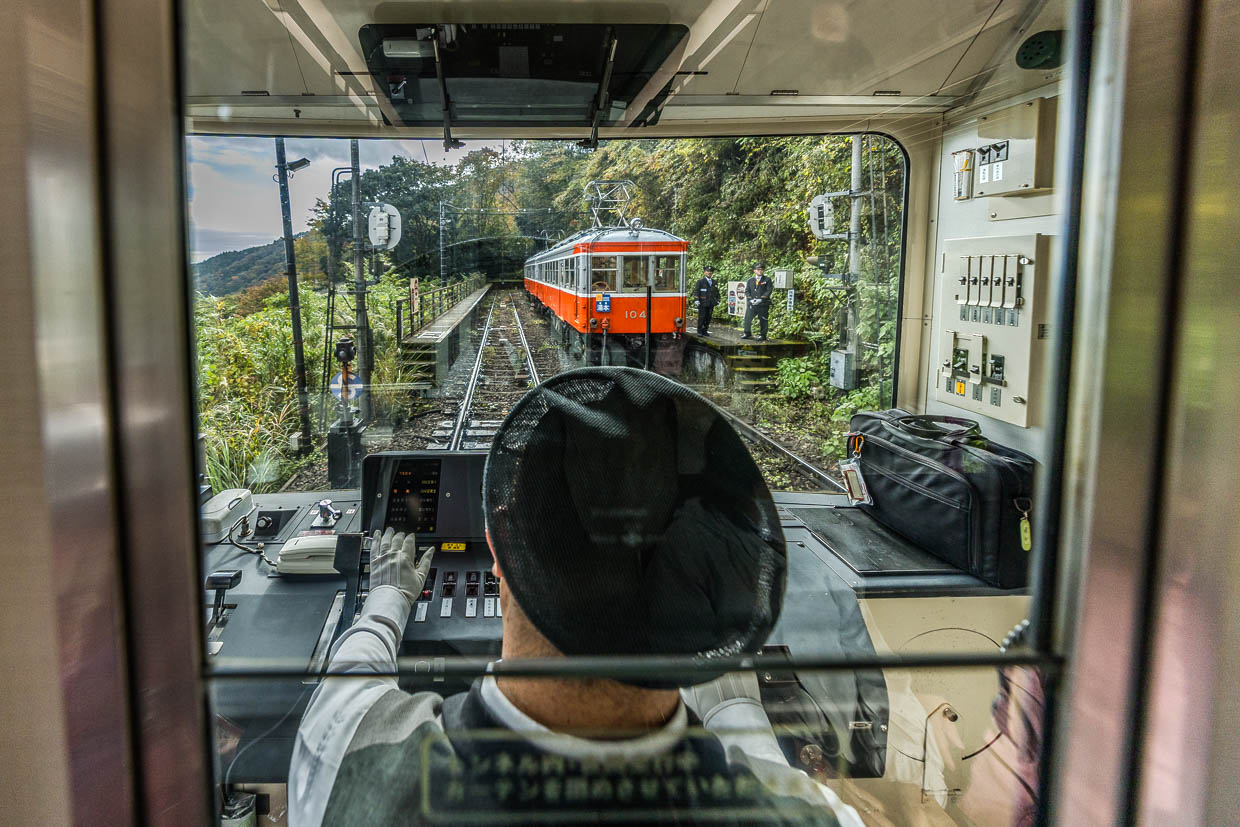
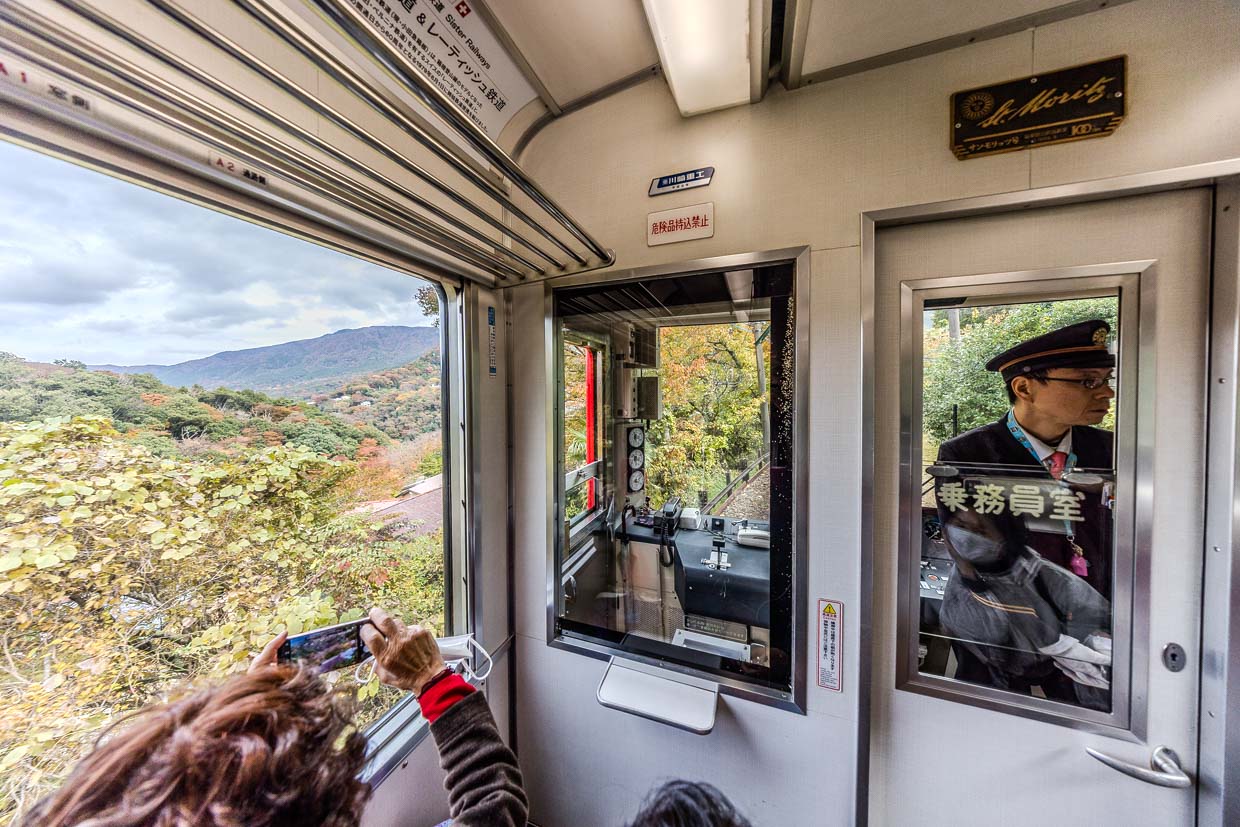
The Hakone Tozan Railway takes us from Yumoto to Gora in around forty minutes. The line is one of Japan’s steepest adhesion railways and changes direction several times along the route to negotiate the gradient. In Gora, the Hakone Tozan Cable Car awaits – a funicular railway that climbs a good two hundred metres in altitude over a distance of just over one kilometre to the Sounzan mountain station. The connection works a treat: no sooner have you stepped out of one carriage than the next cable car is already waiting. You practically fall straight from one mode of transport into the next.
Ōwakudani. A view into the Great Hell
In Sounzan, the most spectacular section of the day begins: the Hakone Ropeway. It is one of the longest circulating cable cars in the world and runs right across the middle of an active volcanic field. Beneath the gondolas, steam rises and the air hisses; the smell of sulphur seeps through the cracks in the windows, whilst the bare, yellowish slopes of Ōwakudani draw closer.
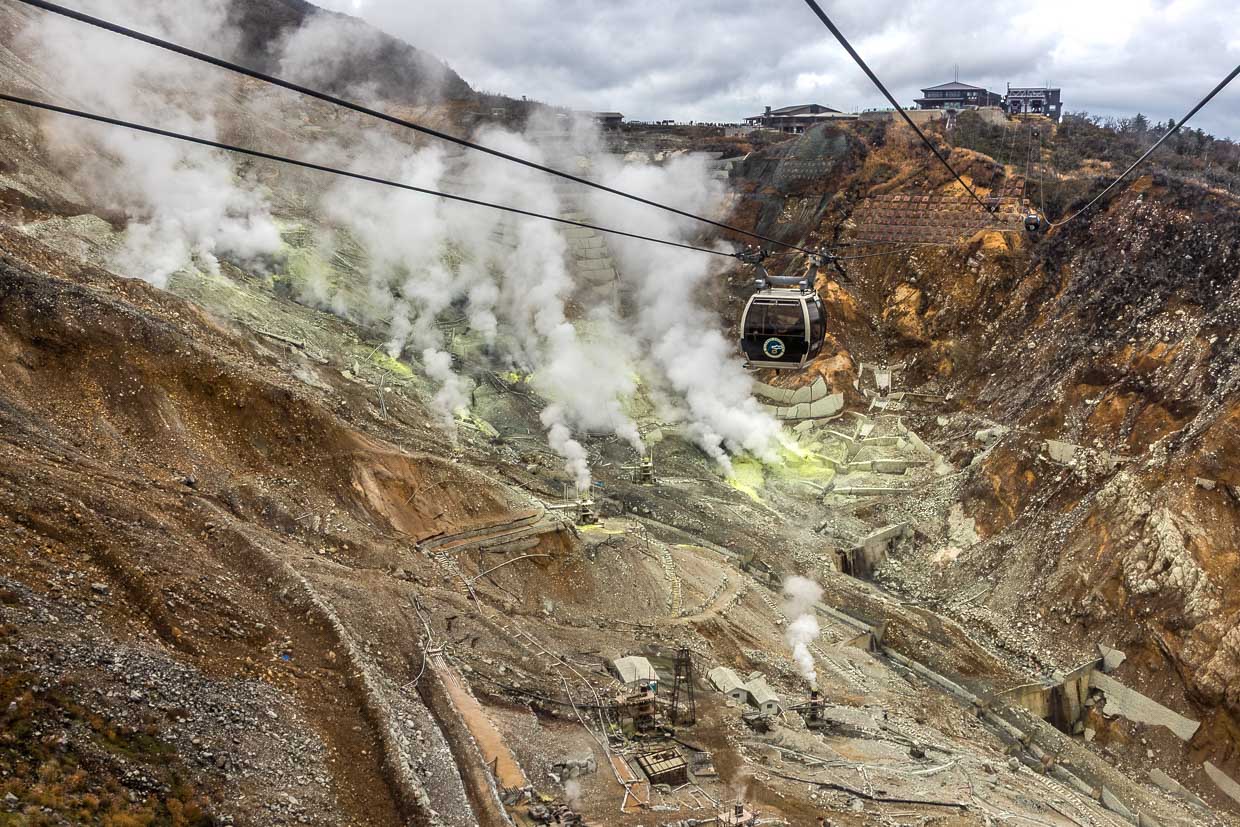
Around 3,000 years ago, a massive steam explosion tore open the northern flank of Mount Kamiyama, causing the valley – long known simply as Ōjigoku, the Great Hell – to collapse. It was not until 1873, shortly before the imperial couple’s visit, that the authorities renamed the place Ōwakudani, the ‘Great Boiling Valley’. The name sounded less like damnation, yet lost none of its drama. To this day, water vapour, carbon dioxide and hydrogen sulphide surge to the surface from hundreds of fumaroles. As the gas cools, pure sulphur crystallises and coats the rock with that poisonous-yellow deposit that earned the valley its reputation.
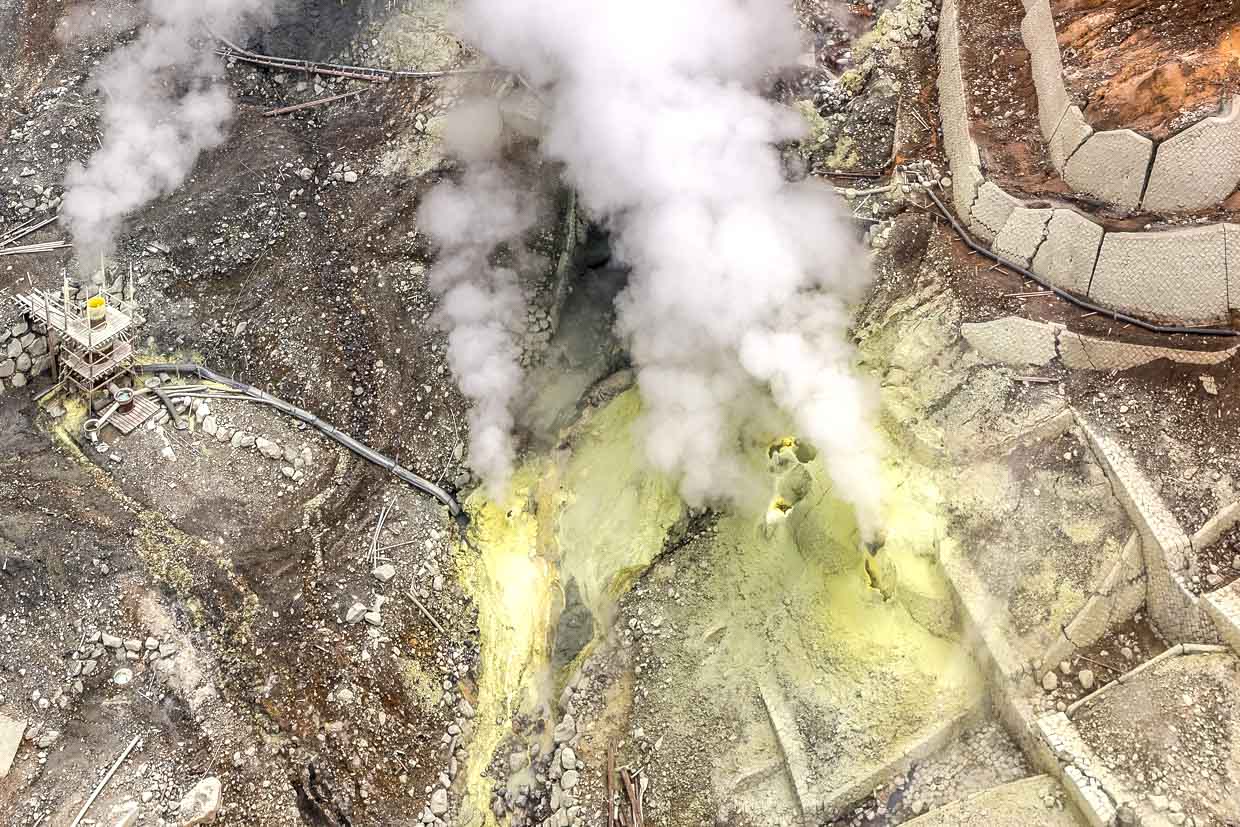
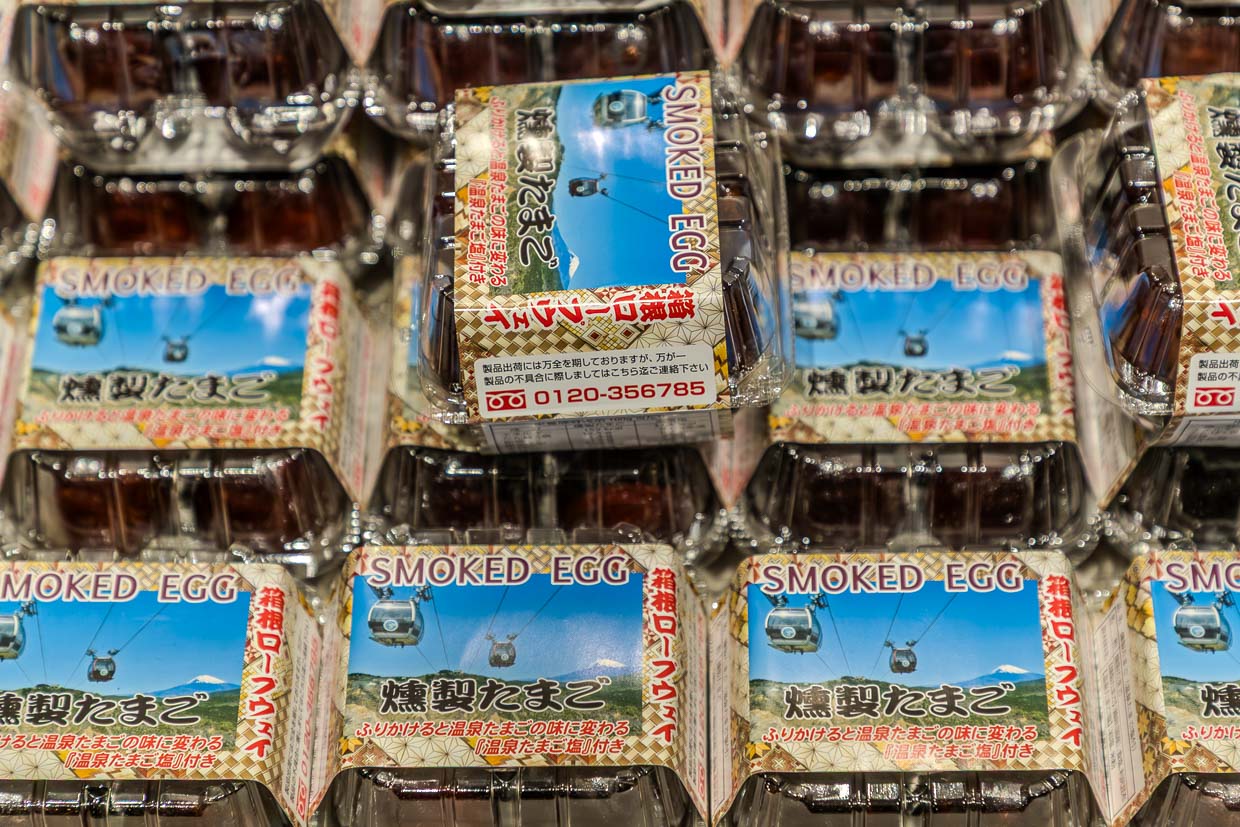
The fascination lies in the contrast: from the safety of the cabin, we look out upon a process that would otherwise remain hidden deep underground, but which is laid bare here. In Ōwakudani, geothermal energy is the main resource utilised. The valley’s best-known product is the kuro-tamago: eggs that are boiled in the local sulphurous hot springs, turning black in the process.
Shopping at the sulphur vent
We alight at the Ōwakudani intermediate station. It’s well worth stopping here: from the viewing terraces, the view stretches out over the seething volcanic field. Inside the large station building, there is a huge souvenir shop, as well as cafés and restaurants. Naturally, the black eggs are also sold here. According to legend, eating just one of these eggs extends your life by seven years.
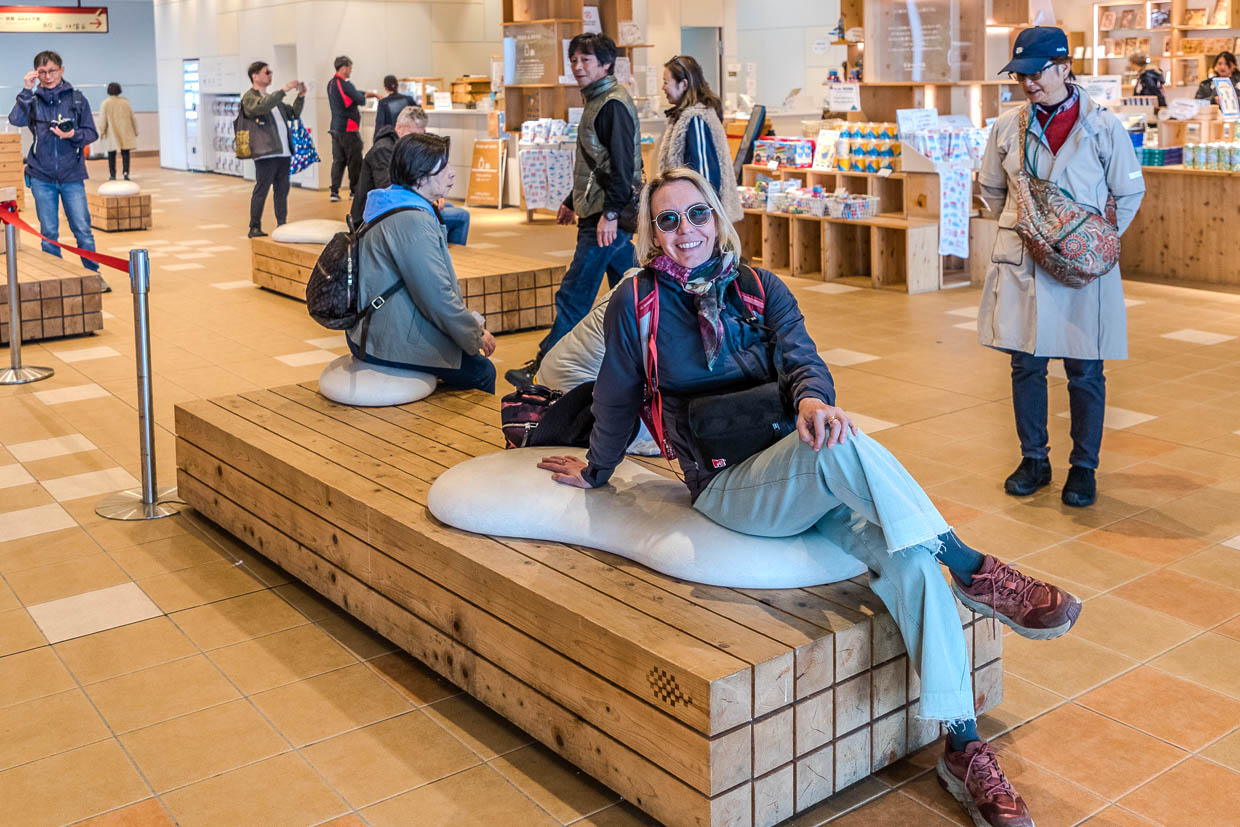
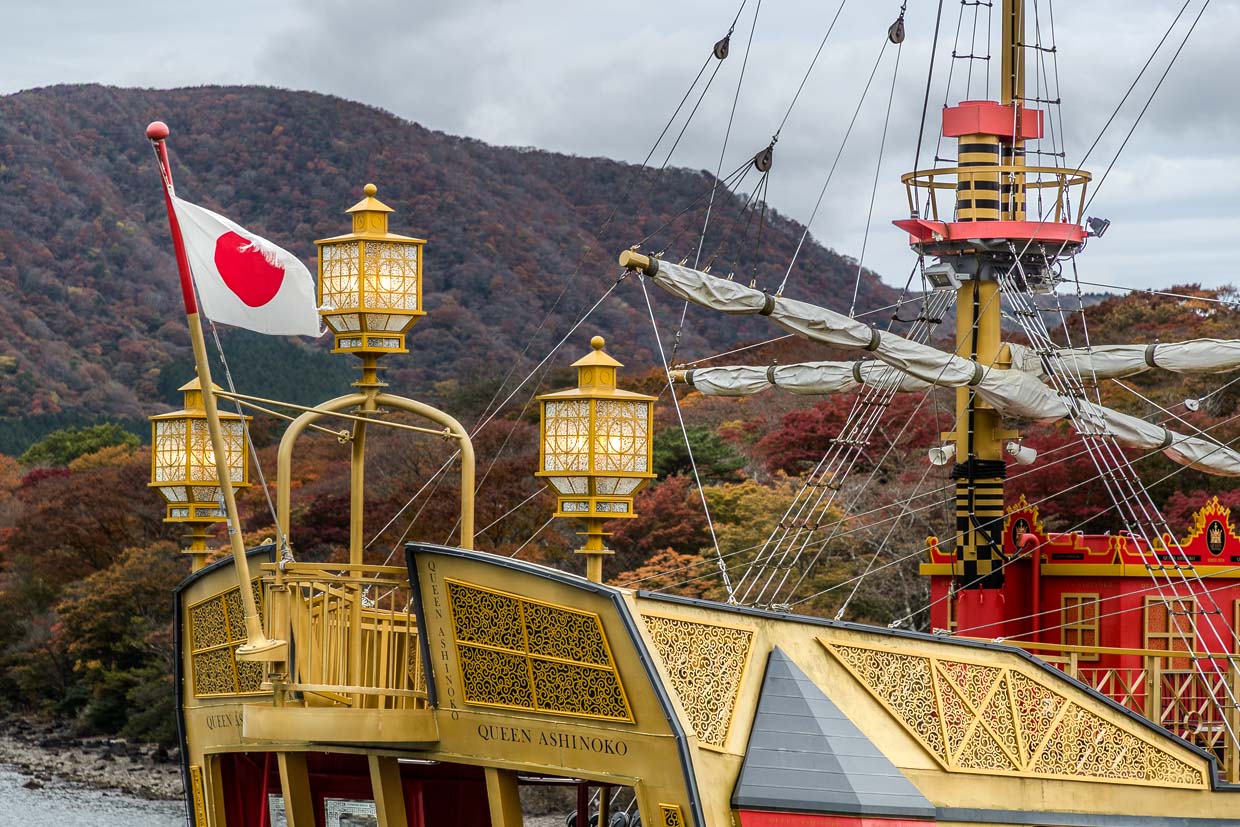
We don’t buy any miracle eggs and board the second section of the cable car. On the journey down to Lake Ashi, on a clear day, the view of Mount Fuji opens up on the right. The chances of this happening decrease as the day goes on; clouds usually form in the afternoon. Yet another reason to set off early. At the Togendai valley station, a boat awaits that looks like an oversized Playmobil pirate ship. To European eyes it seems a bit kitsch, but the playful manga-style décor goes down a treat with Asian visitors. Whether you like it or not, it carries its passengers leisurely across Lake Ashi.
Lake Ashi and the nine-headed dragon
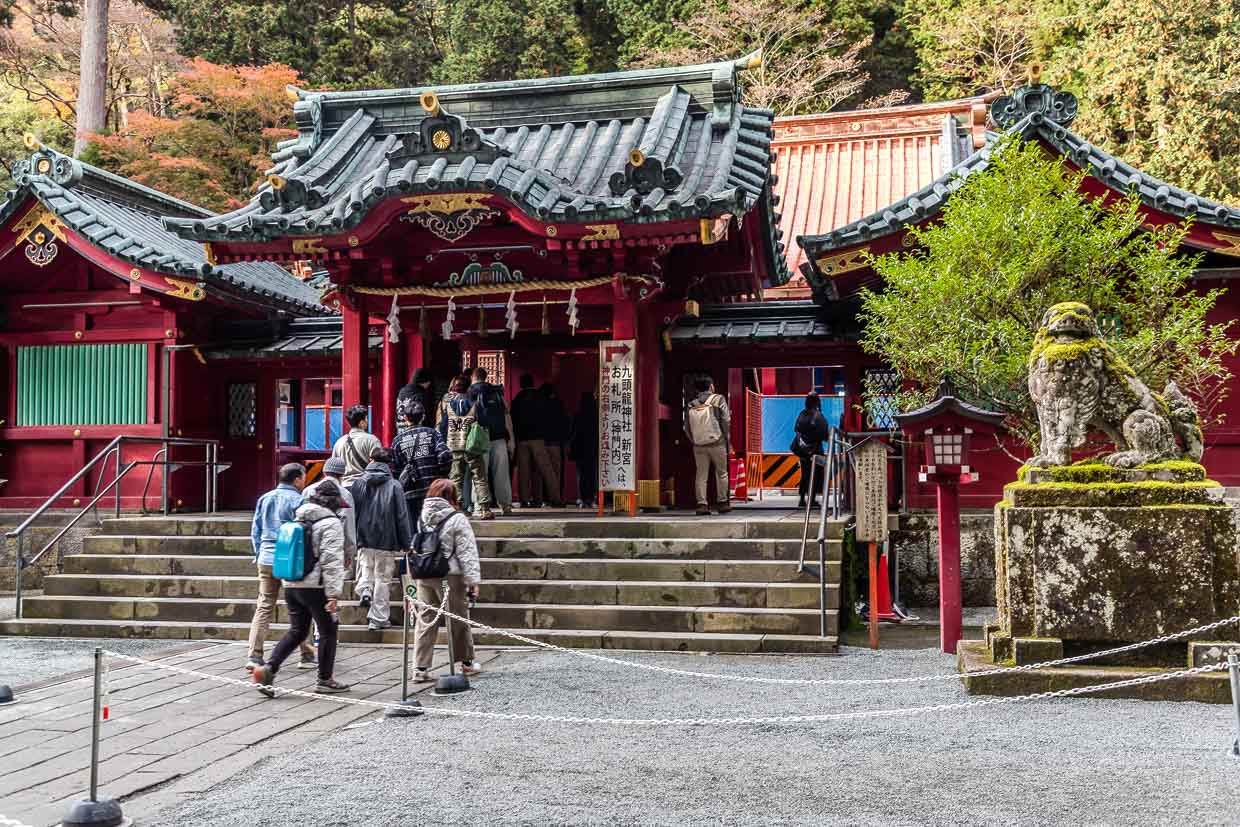
The name of the lake, Ashi, means ‘reed’. A legend tells of a nine-headed dragon that once dwelled in its depths and demanded human sacrifices until the monk Mangan vanquished it in the eighth century. Ever since, the tamed dragon, known as Kuzuryu, has been regarded as the region’s guardian deity. The Kuzuryu Shrine on the shore serves as a reminder of this.
Off to new shores
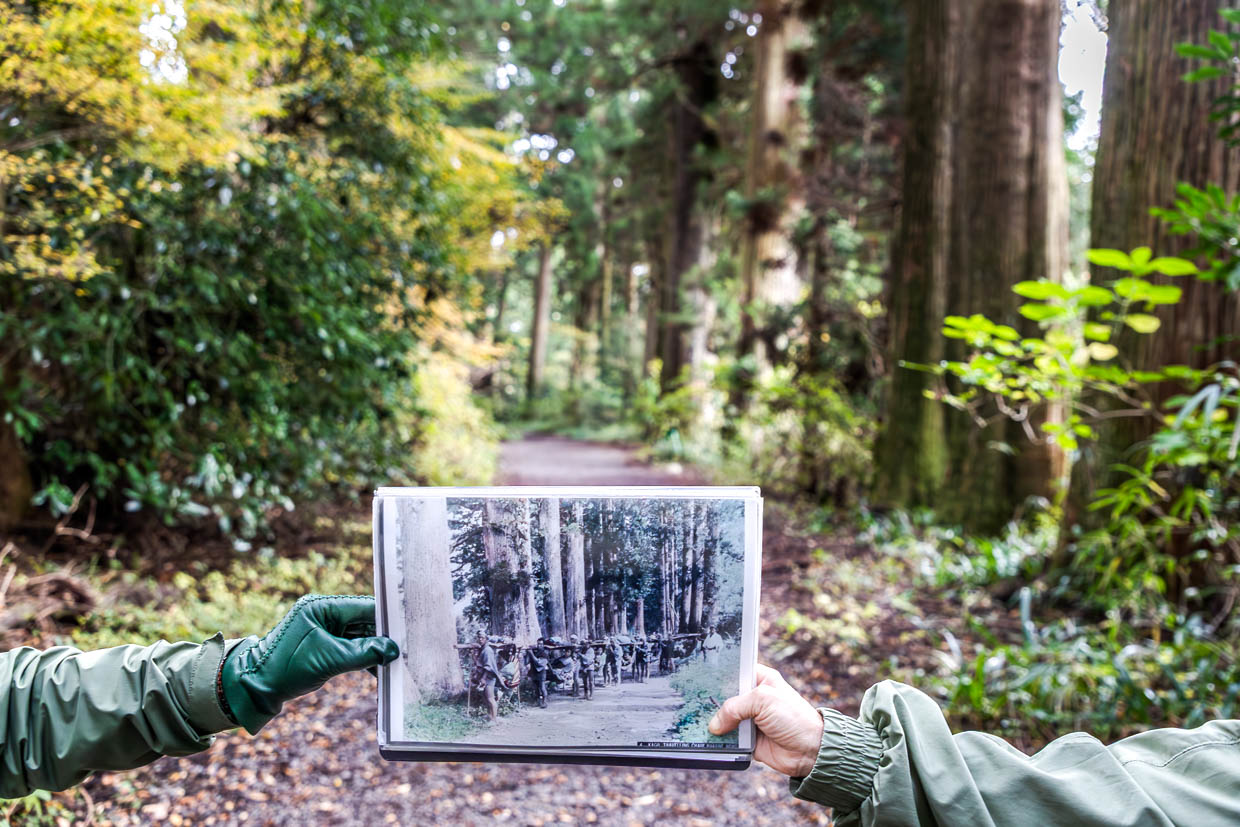
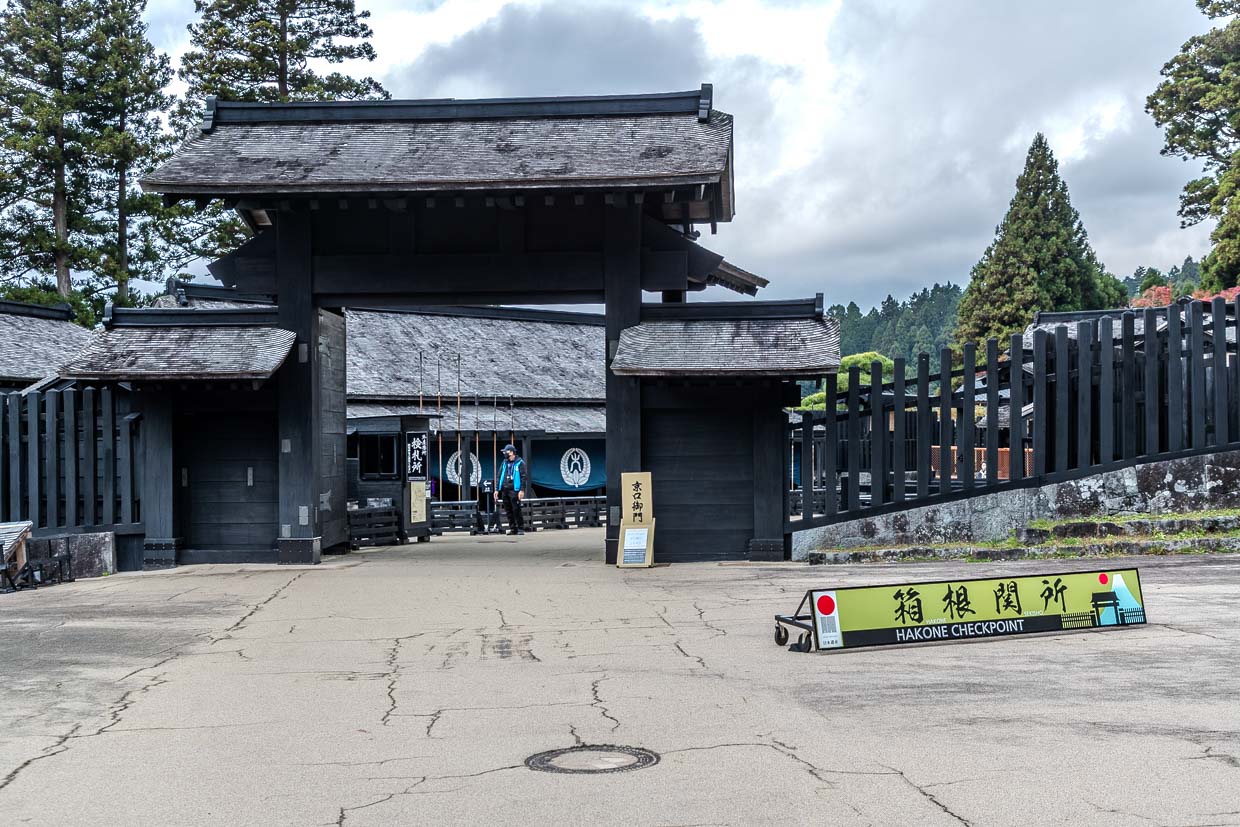
The boat trip ends on the opposite shore, between Motohakone and Hakone-machi. A stroll along the water’s edge leads to the Hakone Checkpoint, a faithful reconstruction of a checkpoint from the Edo period. For two and a half centuries, the shogunate monitored traffic here on the Tōkaidō Road, the most important link between Edo and Kyoto. The checks focused on what the officials succinctly described as ‘weapons in, women out’: no one was to smuggle weapons into Edo unnoticed, and the families of the provincial lords, held as hostages in the capital, were not to leave the city secretly. Since its reconstruction in 2007, the guardhouses, prison cell and watchtower have stood once again in their original locations, shaded by centuries-old Japanese firs, remnants of the historic tree-lined avenue along the Tokaido Road.
A few minutes’ walk further on lies Hakone Shrine. Its red torii standing in the lake is one of the region’s most photographed sights. The shrine dates back to the eighth century and was already held in high esteem by the samurai families of Kamakura.
From here, the Hakone Tozan Bus takes many travellers back to Motohakone, where the day ends – in a hot spring, which, after the many changes between train, funicular, cable car, boat and bus, feels like the logical final leg of the journey.
This research trip was supported by the Hakone Tourism Association